


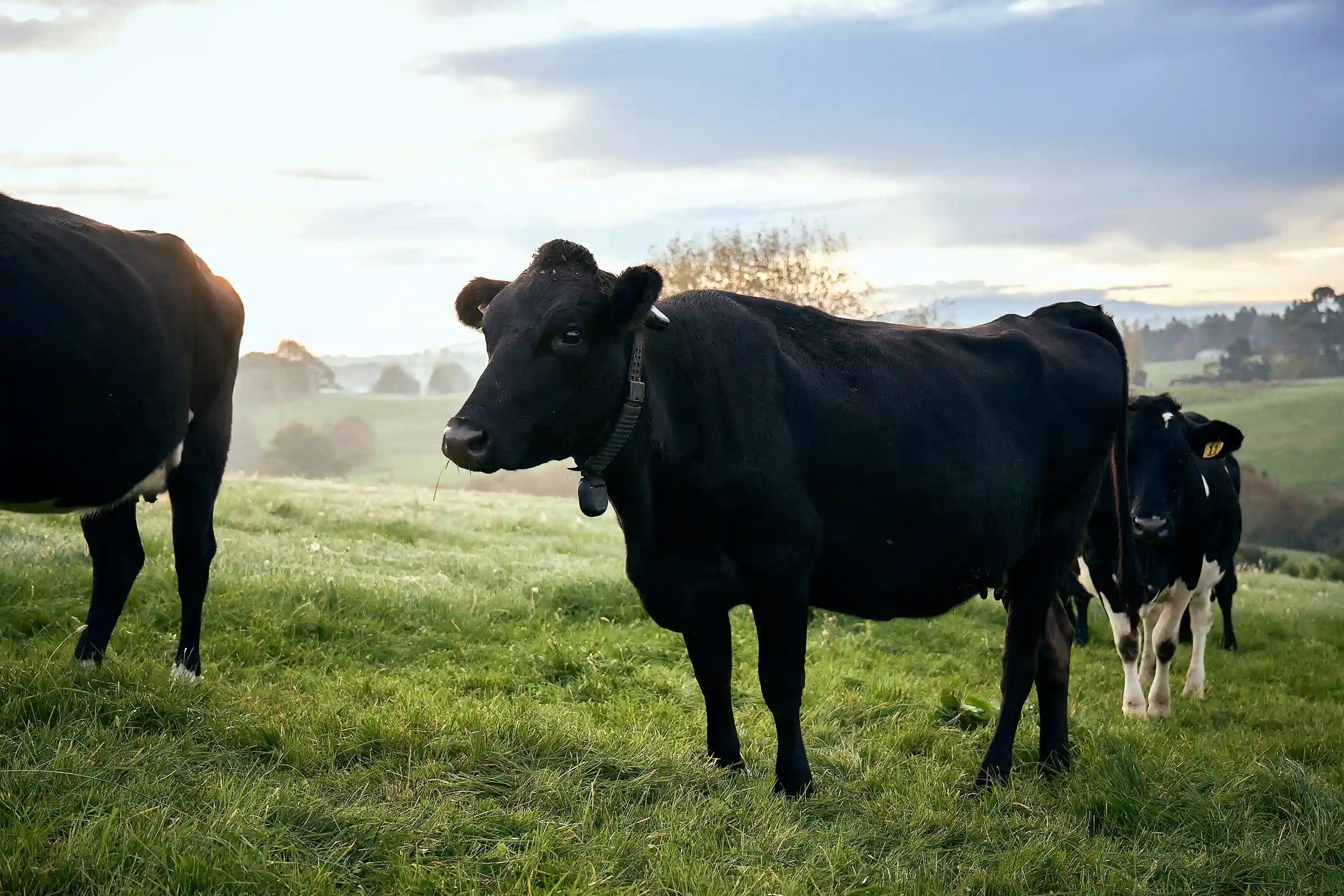


Universities and research institutions across the US are using Halter to study how virtual fencing changes the way ranchers manage their cattle and their land. Field trials are collecting data on grazing behavior, forage use, riparian management, and adaptive grazing strategies across diverse landscapes and production systems.
Researchers are examining how real-time location and behavioral data can sharpen grazing decisions and solve operational challenges that ranchers deal with every day. The findings feed directly back into extension programs and practical guidance for producers managing complex environments.
Partnerships
University research with Halter
Leading ag universities across the US are using Halter to run real trials on real ranches, generating science that moves animal and rangeland management forward.
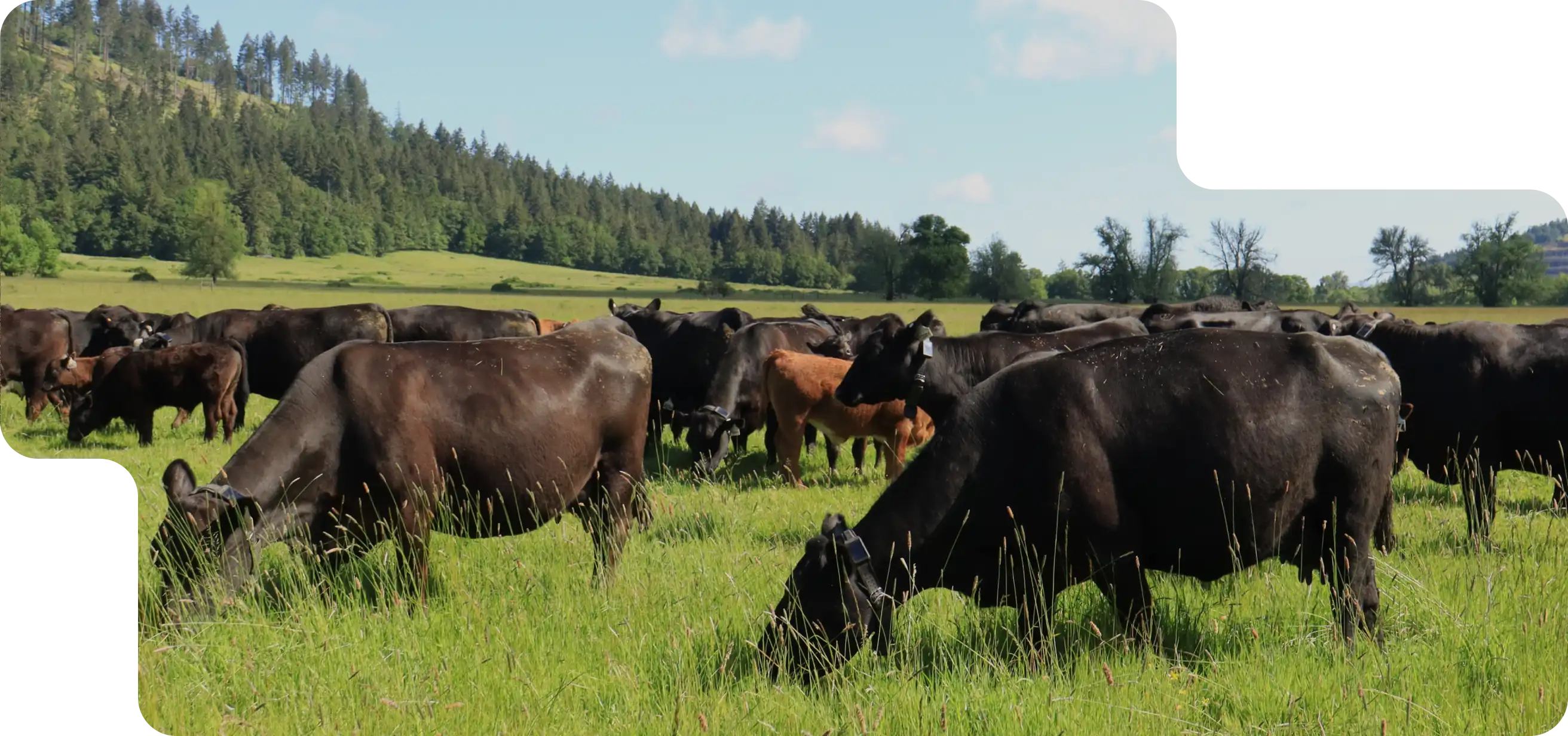
Making ranchers more successful, together
“The collars, and strip-grazing corn and milo residue in general, resulted in improvements in grazing efficiency, maintained to improved cow body condition with limited to no additional protein or energy supplements.”
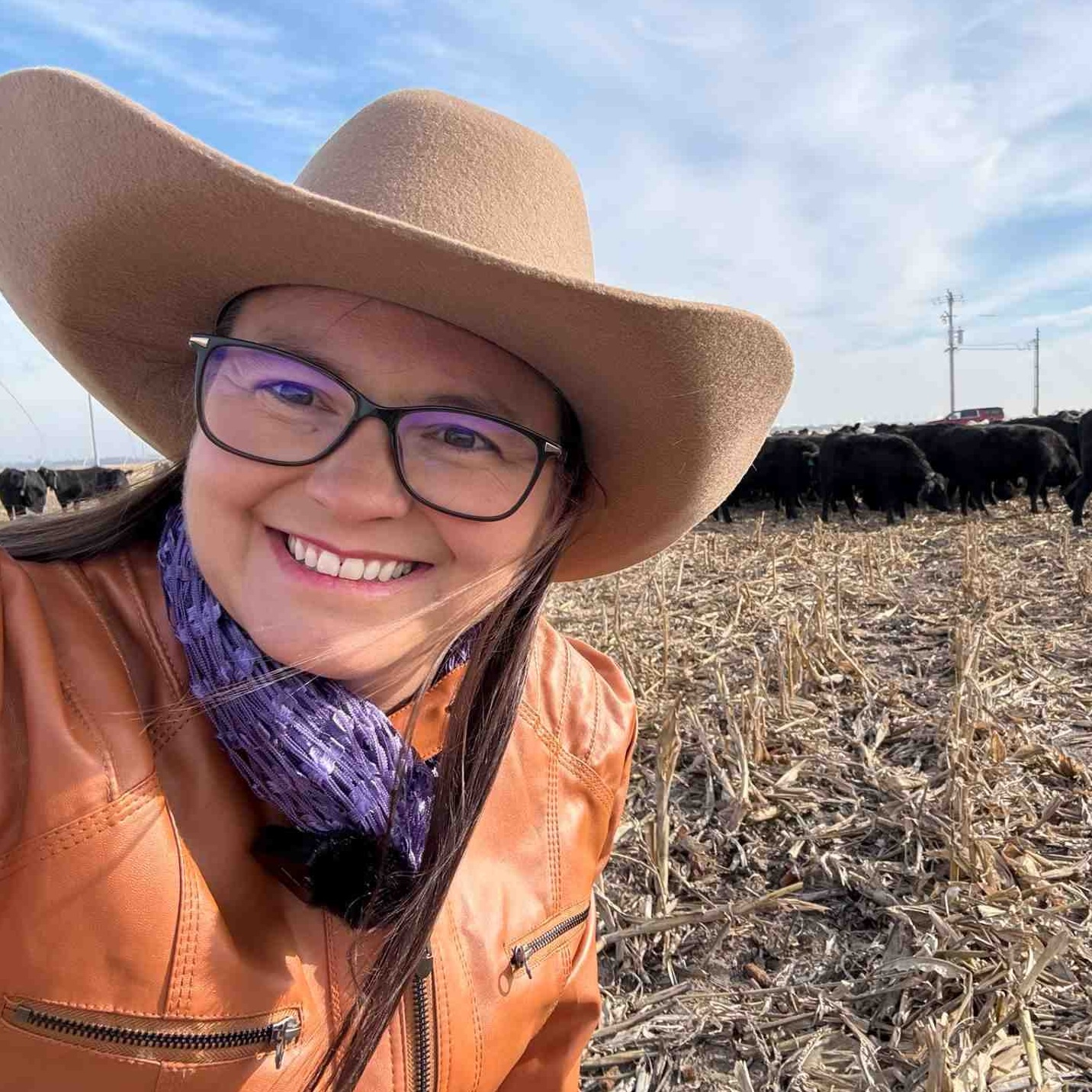
Jaymelynn Farney
Kansas State University
“We are learning how cattle actually use these complex landscapes and how virtual fencing can help us better match grazing distribution to available forage while protecting sensitive areas like riparian zones.”

Flavie Audoin
CALES, University of Arizona
Research in practice
From the arid rangelands of Arizona to the Ozarks of Missouri, Halter is utilized by over 20 universities and colleges across the country for research, teaching, and extension purposes.
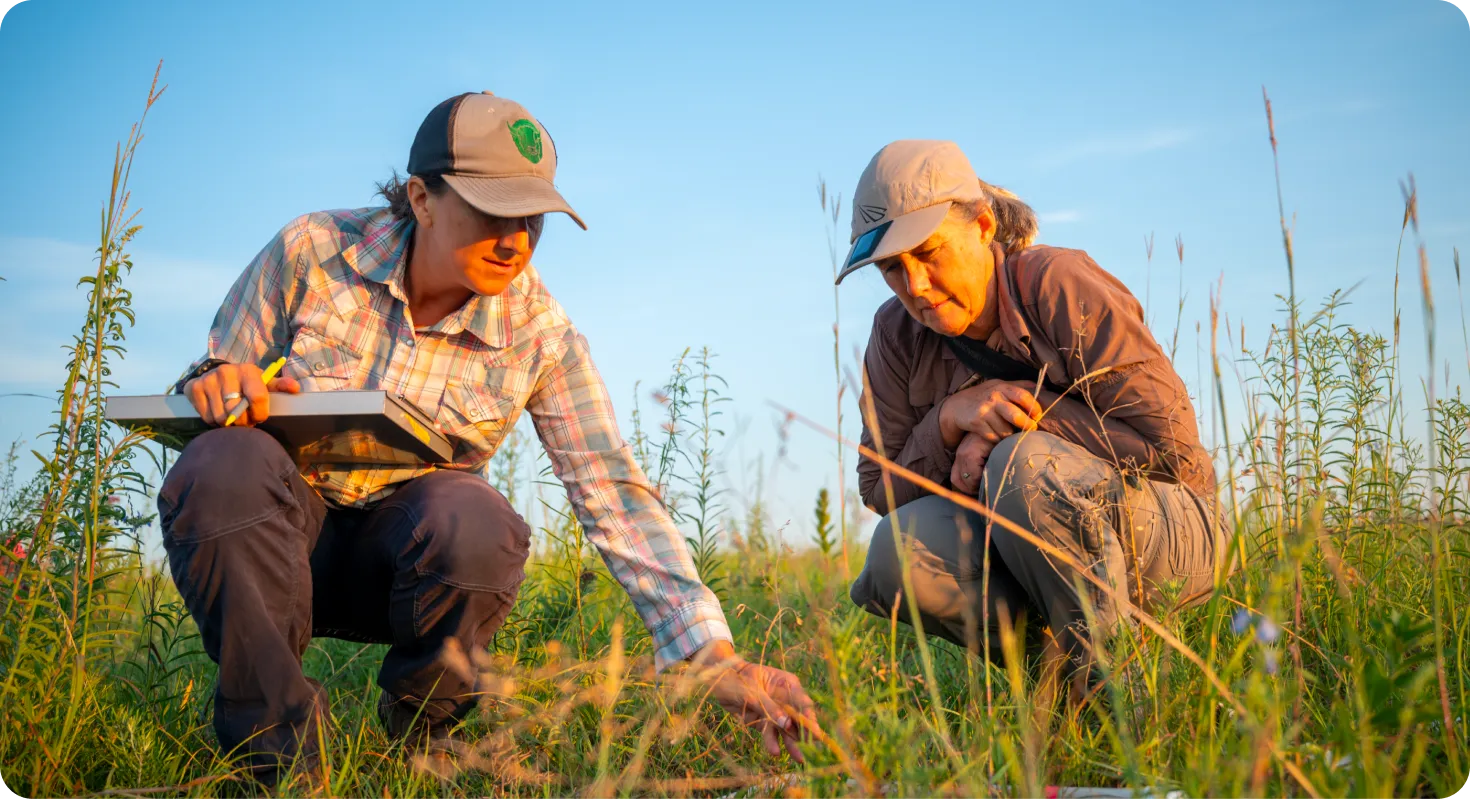
Kansas State University
Manhattan, Kansas
Conserving grassland ecosystem services is one of the many goals rangeland managers and producers try to balance. Researchers at Kansas State University are collaborating with partners including Mushrush Ranches, The Nature Conservancy, and the National Park Service at Tallgrass Prairie National Preserve, to study how virtual fence can be used to enhance ecosystem service goals.
Oregon State University
Corvallis, Oregon
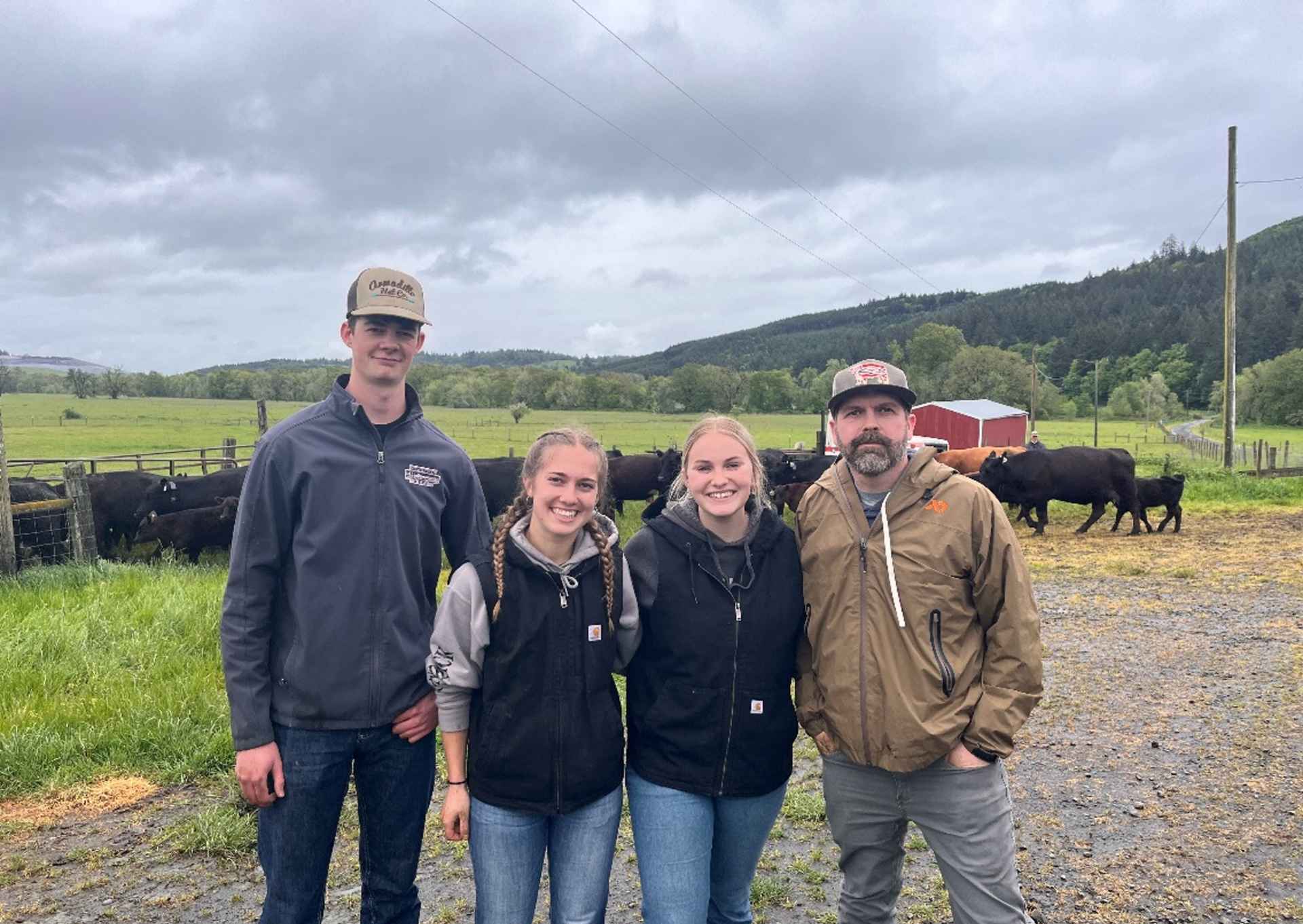
At Soap Creek Ranch, Oregon State University faculty and students have been using Halter since spring 2024, among the earliest US adopters, providing feedback that directly shaped the product for American ranching conditions.

Kansas State University
Manhattan, Kansas
Kansas State University researchers are using Halter to study strip grazing on corn stalks and cover crops, measuring forage utilization, soil compaction, and the effects of moisture on soil structure.
.webp)
University of Arizona
Tucson, Arizona
At the Santa Rita Experimental Range, University of Arizona researchers are using Halter to study cattle movement, forage utilization, and riparian management across arid rangelands.
Montana State University
Bozeman, Montana
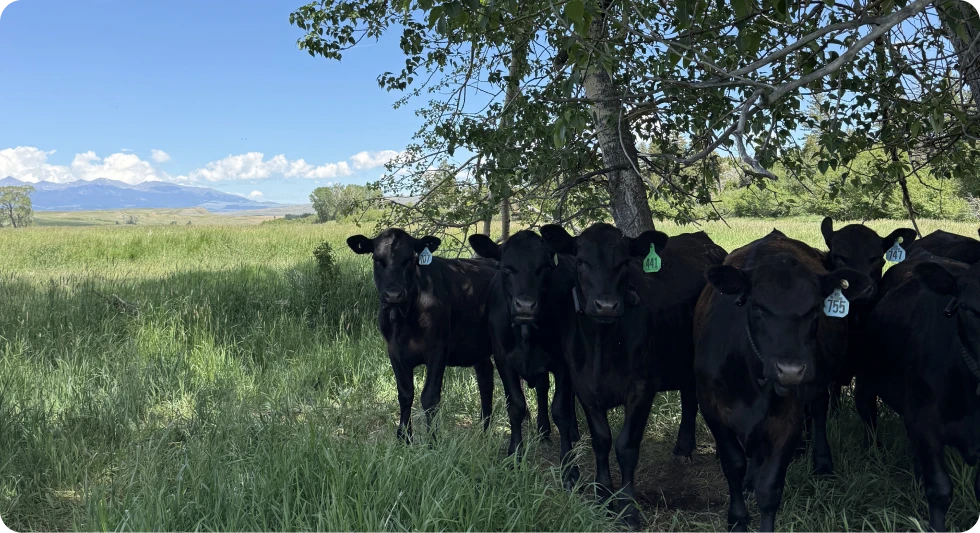
Montana State University is investigating how virtual fencing can safeguard sensitive riparian zones while sustaining forage productivity and animal performance.
University and research inquiries

Charlotte Dorn
University Account Manager, South
.jpg)
Tessa Landon
University Account Manager, North

Log in
