




.jpg)
Utilization and soil health in grazed cropping systems
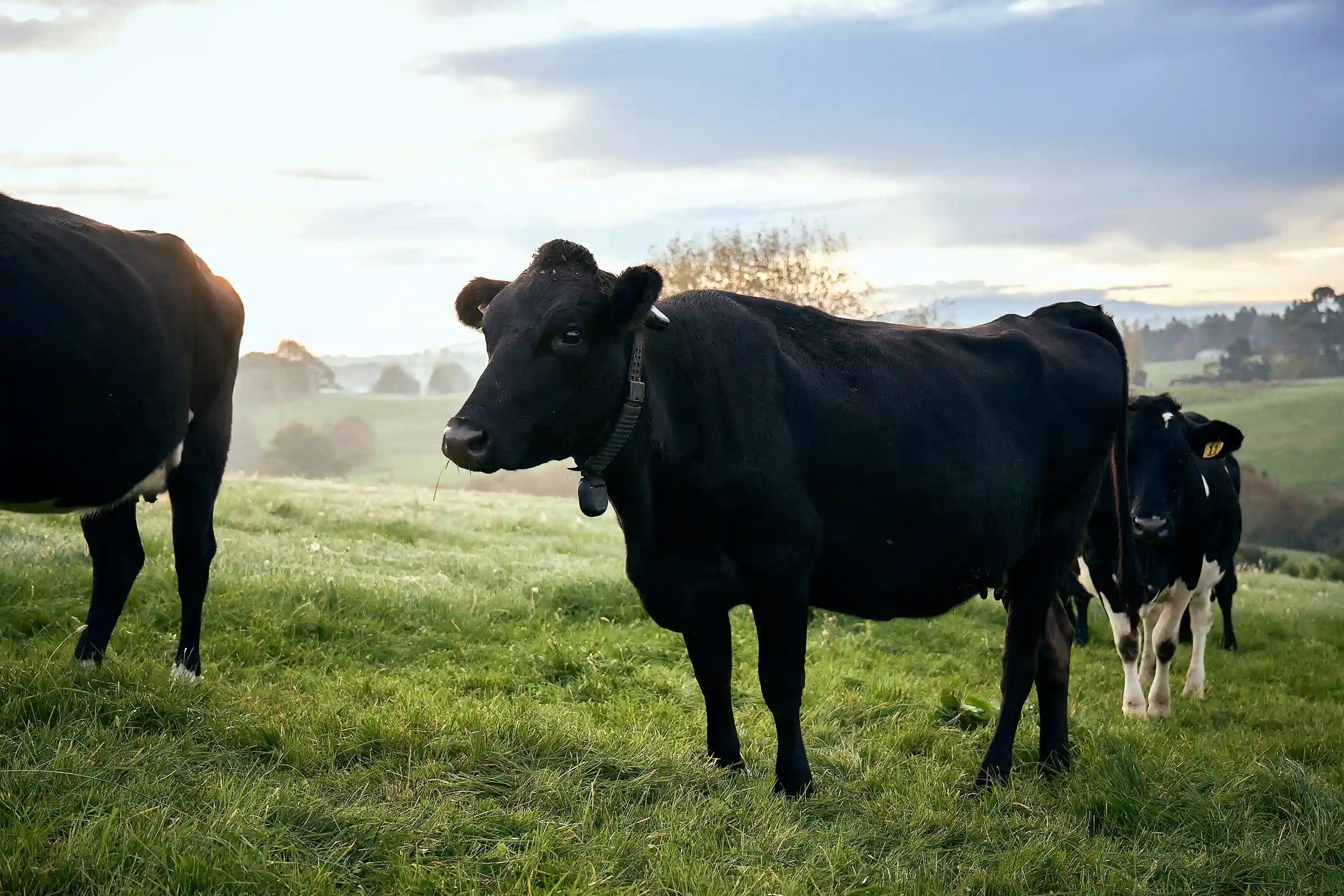
At Kansas State University, researchers are exploring grazing strategies on corn stalks and cover crops with the goal of improving nutritional quality, consistency, and utilization efficiency. Using Halter data alongside in-field measurements such as forage utilization and soil compaction, the project looks at how strip grazing and virtual boundaries help get more production value out of cropping systems. A particular emphasis is on quantifying how moisture events affect soil structure, and how grazing strategies can be adapted to maintain soil health while reducing the need for supplemental feeding.

By testing these approaches under real-world constraints, including temporary infrastructure and water logistics, the work is built to reflect conditions many producers face when integrating crop and pasture systems. Ultimately, the project aims to advance practical guidance on how virtual fencing can improve grazing management where traditional fencing and feed strategies fall short.
“The collars, and strip-grazing corn and milo residue in general, resulted in improvements in grazing efficiency, maintained to improved cow body condition with limited to no additional protein or energy supplements. However, other benefits have been found from daily shifting of cattle that researchers and the producers were not accounting for such as: easier to evaluate a large group of cows during calving; shifting cows to new residue in the afternoons has increased the percentage of cows that calve during daylight hours; and collars made really nice “fence lanes” to move cows from fields to fields.”

