

Christine Mushrush
Beef rancher
•
Kansas, United States


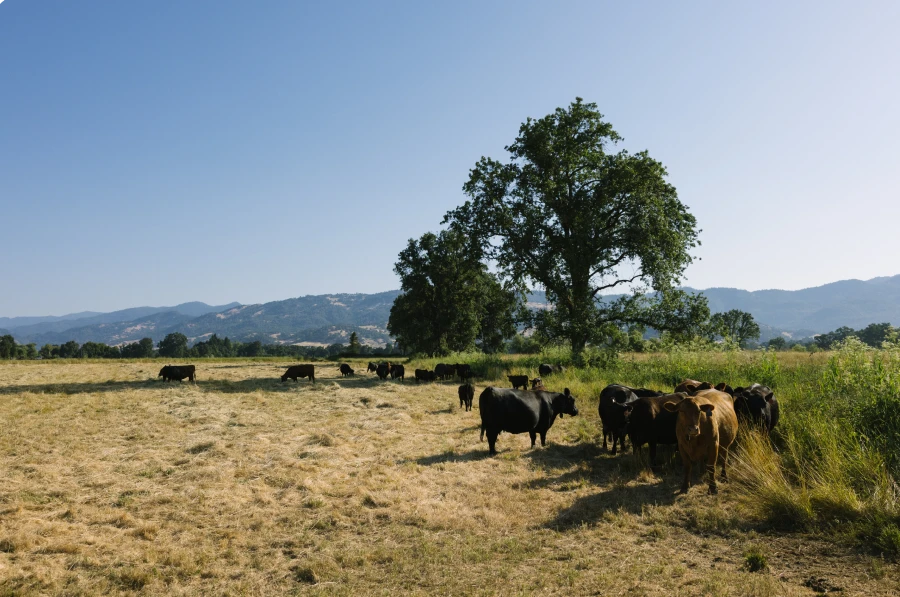
Halter enables Ranchers to become both more productive and more sustainable. Historically, manual labour and physical infrastructure have made it hard to focus on both of these at the same time. Halter removes this constraint, giving ranchers the choice to do both.
With precise, real-time control over where and how animals graze, ranchers can optimise grazing management for pasture recovery, plan targeted forage management, protect waterways and riparian zones, improve soil health, and more. Halter also captures the data behind these herd management decisions, so ranchers can measure and verify the outcomes.
Virtual fencing gives ranchers precise control over where their animals can and can't go, and the boundaries are changeable in minutes. That precision extends directly to land management: ranchers can protect sensitive areas, respond to changing conditions, and let land recover, all through virtual fencing.
Ranchers can manage every part of their land, not just the part that's easiest to fence.
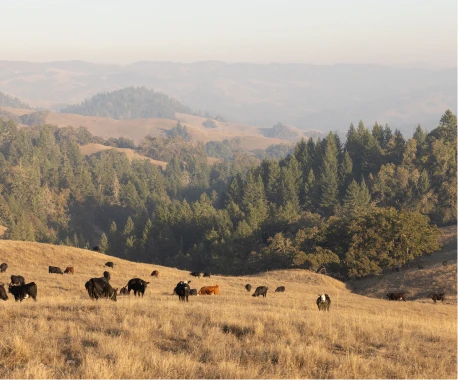
Ranchers can fence off waterways, wetlands, erosion-prone slopes, or native bush instantly, without the capital cost of permanent fencing. This is especially beneficial for remote areas, or operations in hard-to-fence areas like steep hill country.
Dynamically manage exclusion zones across the property. Ranchers can adjust them in real time as conditions change, for example keeping stock off wet or vulnerable ground until it's ready to be grazed again.
Ranchers can use grazing to manage fuel load and create fire breaks ahead of fire season, and move stock to safety instantly during a fire event, without worrying about animals stuck behind physical fencing.
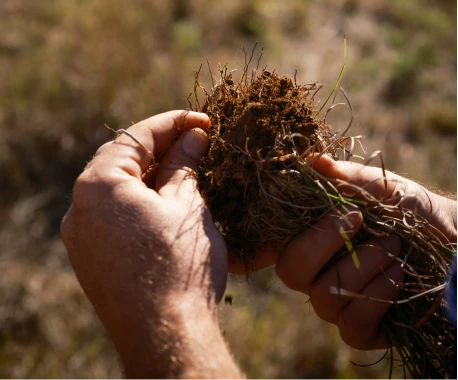
Controlled grazing pressure and rest periods prevent overgrazing and compaction, allowing pasture and soil biology to fully recover between grazings.
Ranchers can retire and revegetate marginal or damaged land without losing grazing area elsewhere, because Halter lets them fully utilise the rest of the farm.
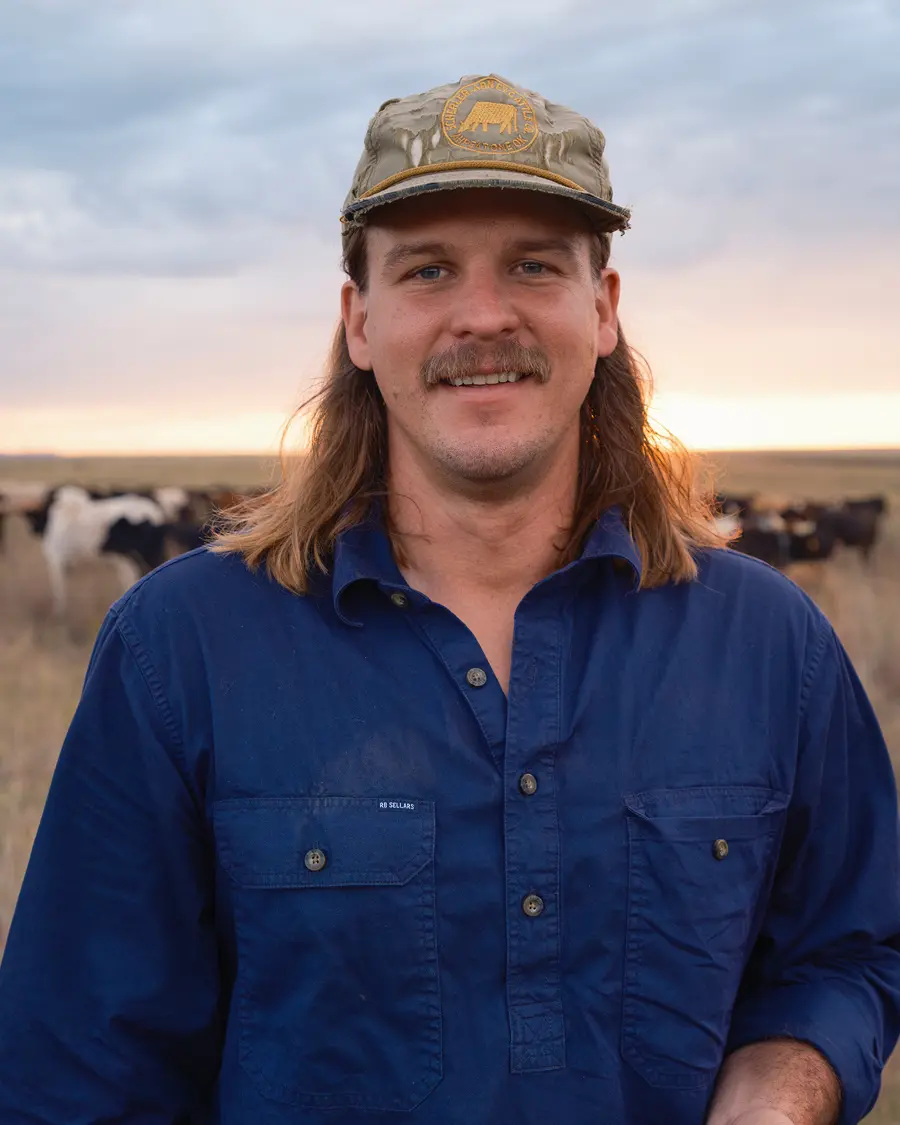
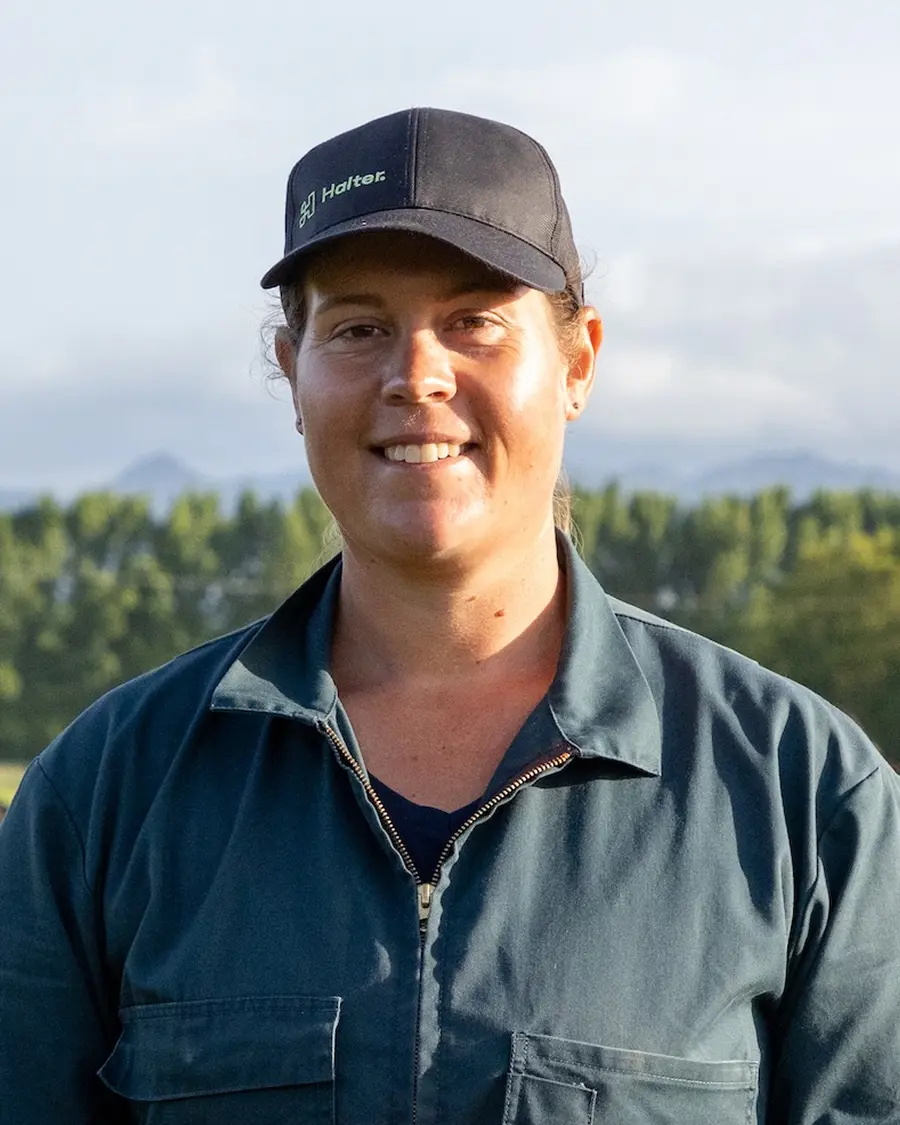
Some of the most sensitive areas on the farm - steep hill country, remote gullies, and hard-to-reach corners - are often impossible to physically fence, making it harder to maintain water quality. Virtual fencing removes that constraint, giving ranchers the ability to protect water quality across the whole farm, not just the parts that are accessible for physical fencing.
Ranchers can protect and preserve water quality anywhere on the farm, no matter how challenging the terrain.
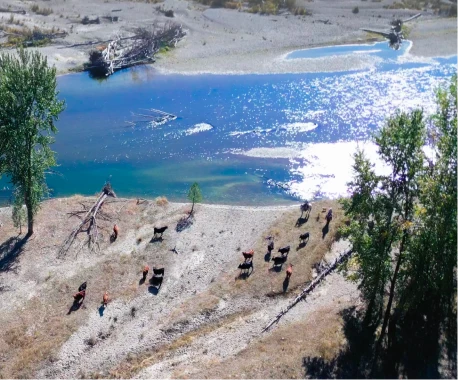
Excluding stock from waterways prevents direct contamination and streambank erosion. With the touch of a button, ranchers can keep stock out of steep or remote terrain that was previously unfenceable.
Grazing at the right stage of grass growth and avoiding pugging in wet conditions reduces bare soil and runoff, lowering the risk of nutrients leaching into waterways.
Exclusion zones can be placed directly along waterway margins, including in areas too steep or remote for permanent fencing, and adjusted according to the seasons and rainfall.
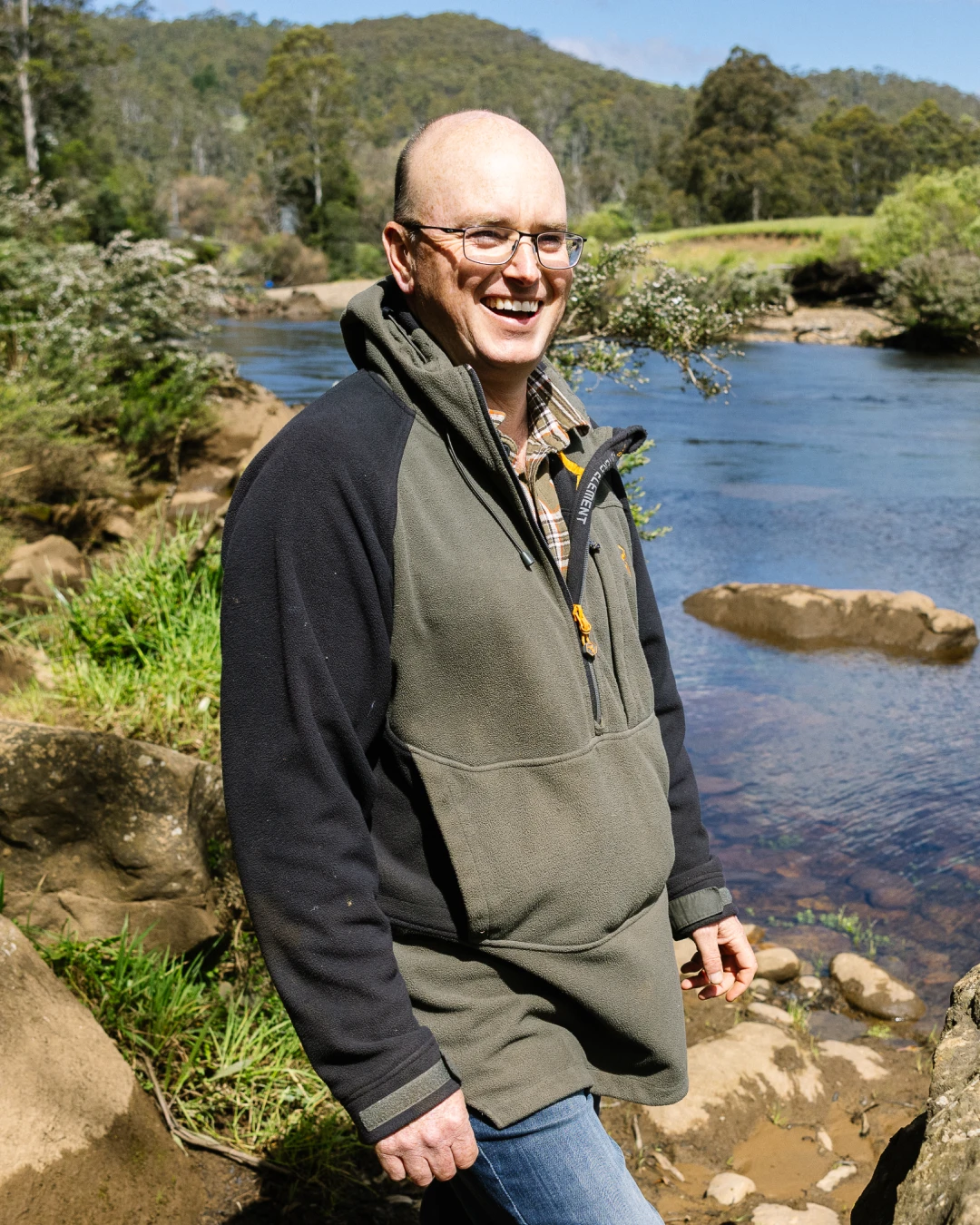
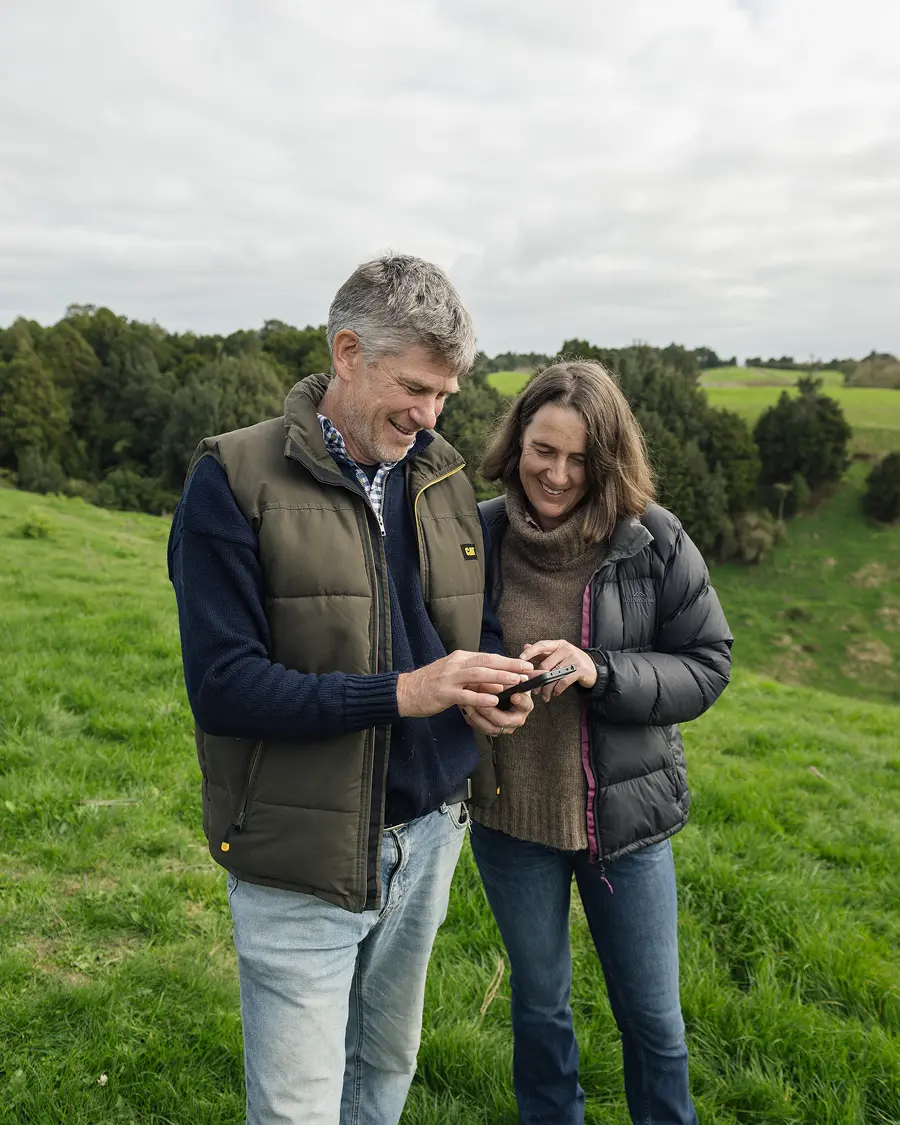
Growing grass, and grazing it well, is at the heart of farm sustainability and productivity. Ranchers who optimise their pasture management grow more feed and lift their profitability, while lowering the emissions intensity of their production.
Halter puts better data behind every pasture and herd decision, and gives ranchers the flexibility to act on it. When ranchers optimise their pasture management, they lift their productivity, which lifts their profitability and lowers the emissions intensity of their production. This lowers the CO2-equivalent embedded per kilogram of beef or milk solids produced.
Emissions efficiency is key for a sustainable beef and dairy industry. If ranchers cut total emissions by cutting production, that lost production doesn't disappear from global food demand, it has to be replaced by production elsewhere. With the right tools to drive emissions efficiency, ranchers are the key to livestock's climate goals.
By consistently growing and grazing grass at the right leaf stage, ranchers maximise their utilisation of organic fertiliser and minimise surplus synthetic fertiliser application. This reduces emissions by lowering purchased nitrogen surplus.
Maximising homegrown feed reduces or eliminates the need to import feed with high embedded emissions, such as palm kernel expeller (PKE).
Virtual fencing and herding save ranchers from driving out to back paddocks to put up fences and herd cattle.
With better heat detection and health data, ranchers can breed replacements from their top-performing animals - improving the herd generation on generation. A more efficient herd needs fewer replacements, lowering the embedded emissions of rearing them.
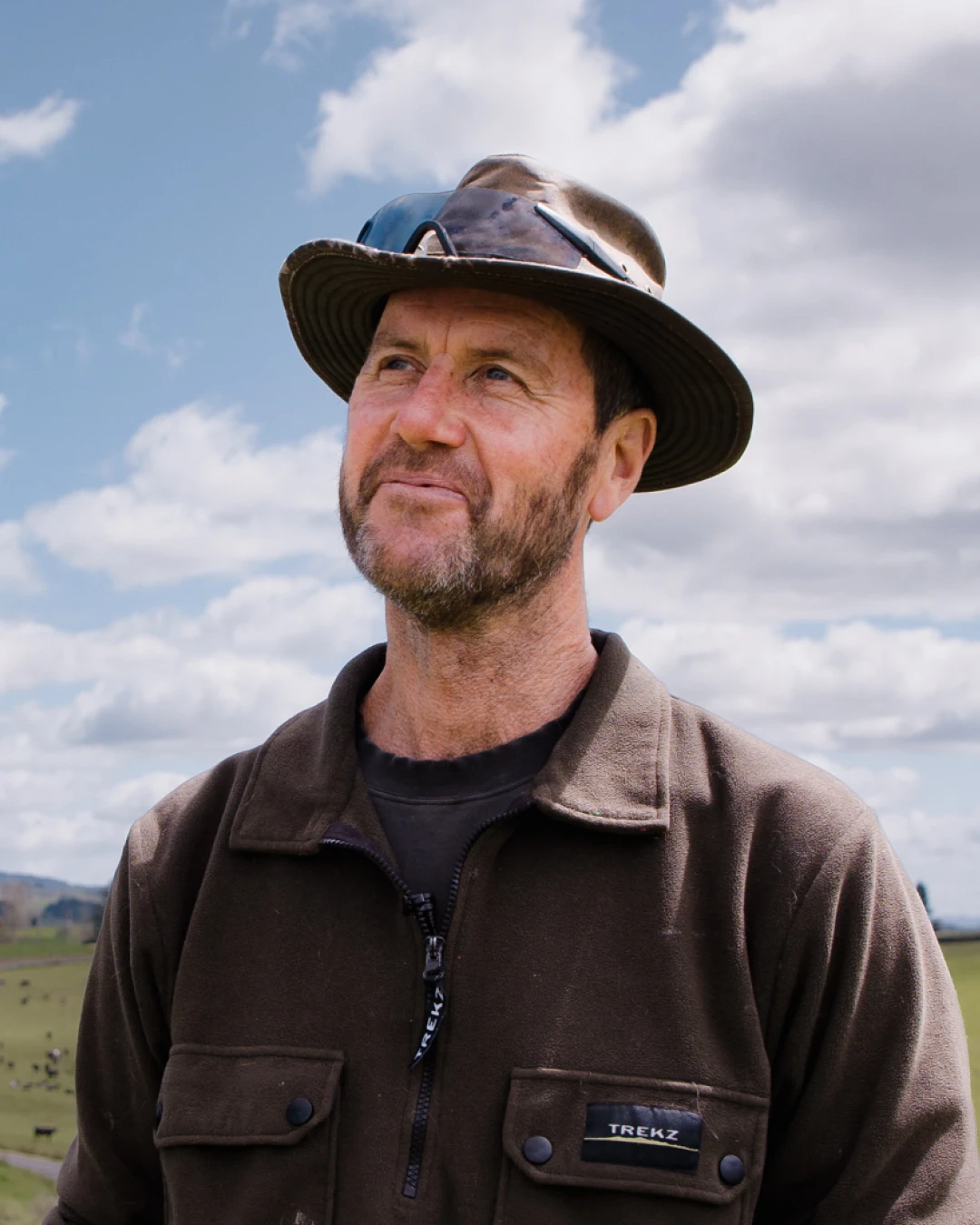
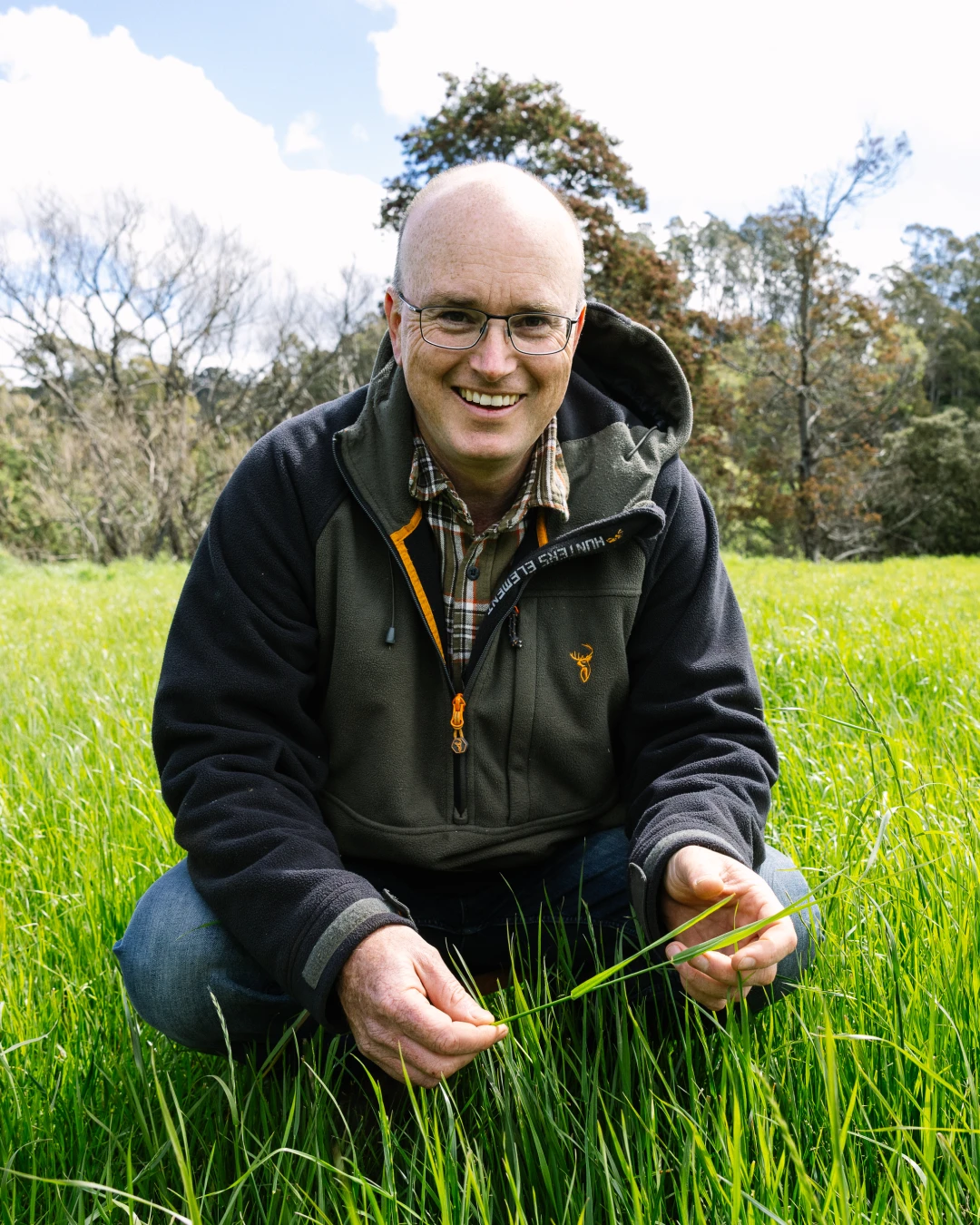
Ranchers know the relationship between their farm, and the natural systems on their land. Virtual fencing gives them a direct tool to act on the ecological goals they already have, and to prove the positive outcomes of their sustainable farming practices.
Ranchers are running productive farms, in harmony with the ecosystems around them.
Exclusion zones protect native bush, wetlands, and other high-value habitats from grazing pressure.
Ranchers can retire and revegetate marginal land, then bring it back into rotation once it's established, without the expense of temporary physical infrastructure.
Cows are contained within their breaks, while wildlife can travel through their migration corridors, without breaking fences and causing stock to escape.
Ranchers can apply targeted, high-intensity grazing to suppress invasive weeds and forage species, using the herd itself as a management tool.
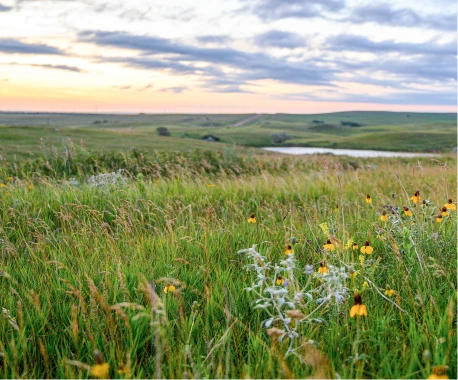
Optimising grazing management supports the soil biology that underpins a healthy ecosystem, on top of the farm's productivity.
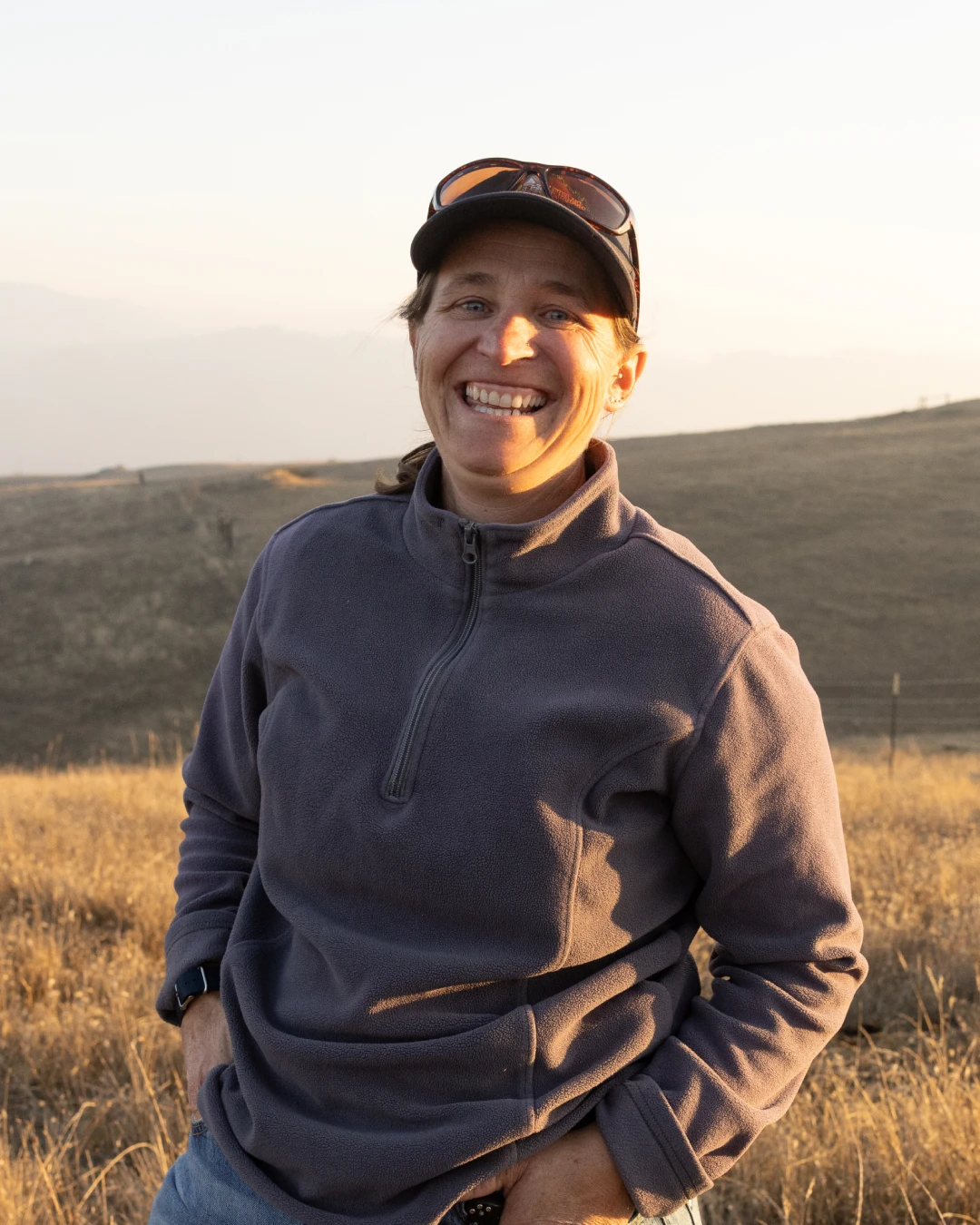
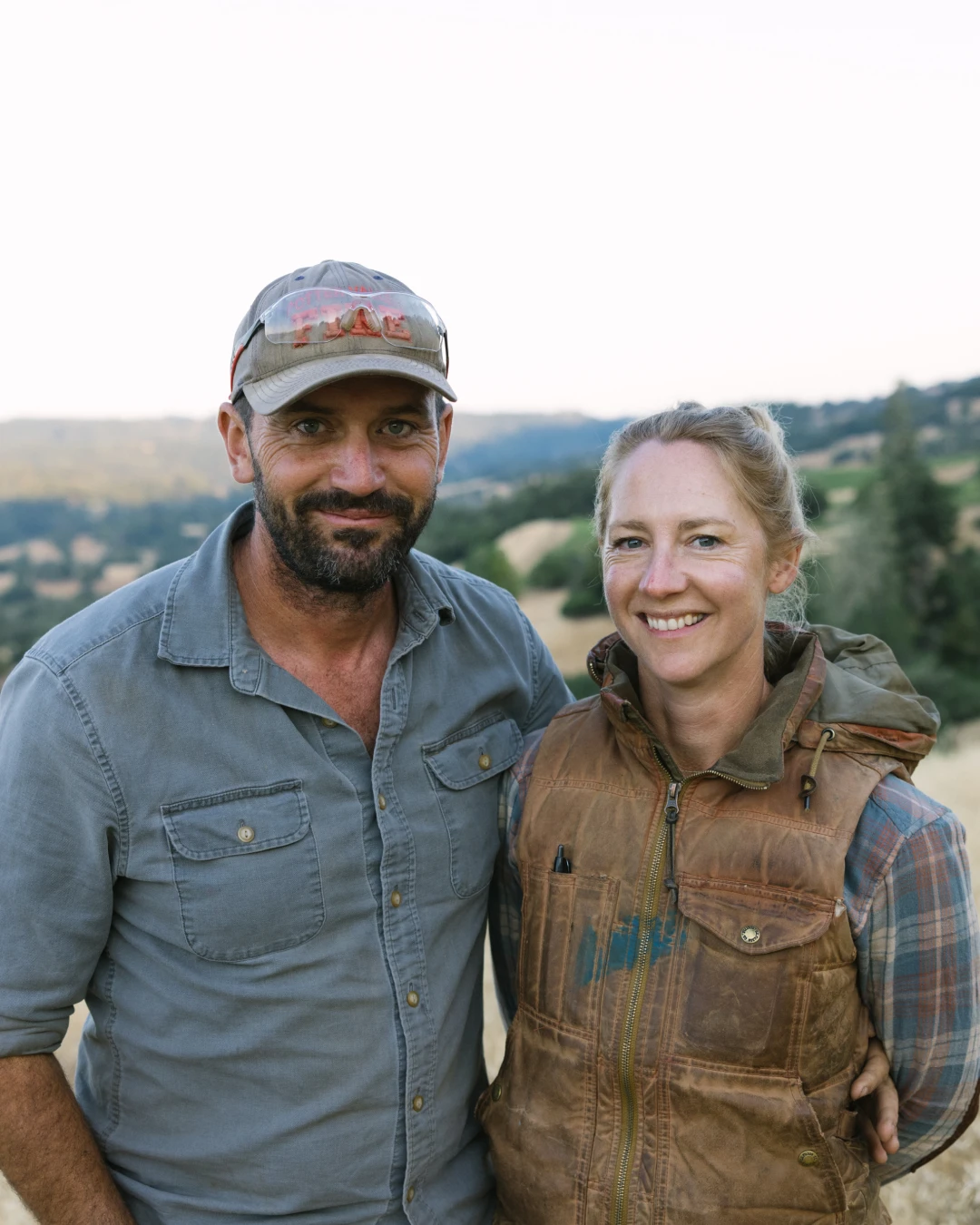
We’re committed to ensuring that any sustainability claim we make is held to a rigorous standard. Industry-leading research measures what ranchers are achieving with Halter - and because those benefits compound over time, we keep measuring, working with leading universities and research institutions around the world.
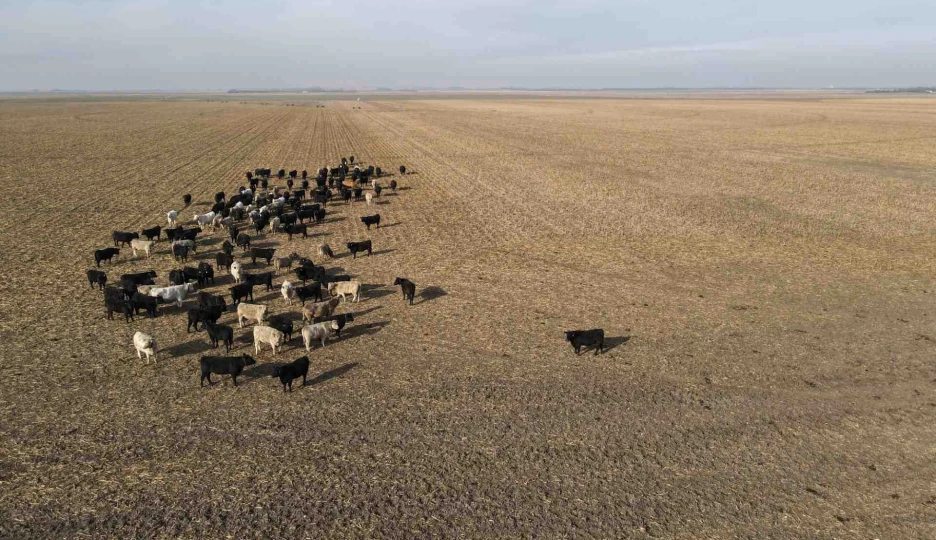
At Kansas State University, researchers are exploring grazing strategies on corn stalks and cover crops with the goal of improving nutritional quality, consistency, and utilization efficiency. Enabled by Halter’s grazing data, the study quantifies how grazing strategies can be adapted to maintain soil health while reducing the need for supplemental feeding.
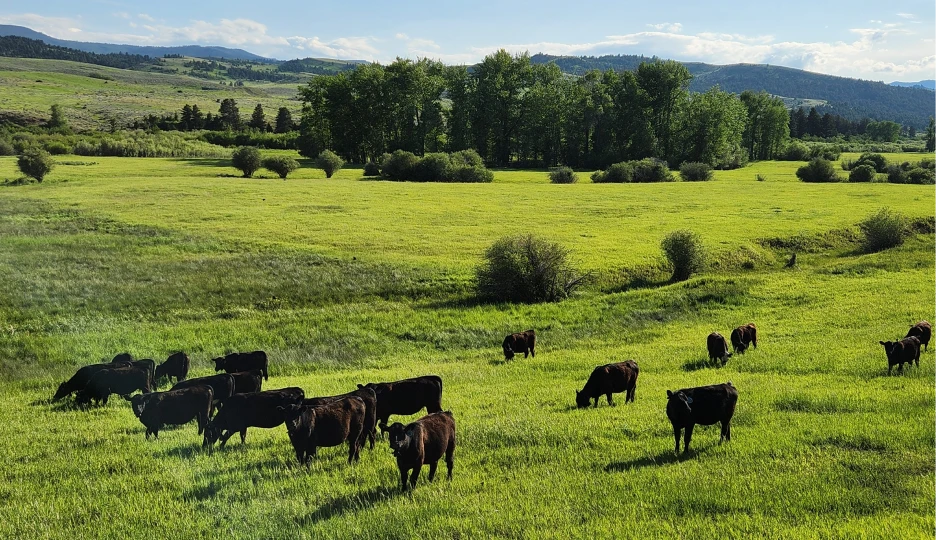
Montana State University is investigating how virtual fencing can safeguard sensitive riparian zones while sustaining forage productivity and animal performance. Riparian corridors filter water, stabilize streambanks and support rangeland biodiversity. This study investigates how virtual fencing protects ecologically sensitive ground and enables adaptive grazing as conditions change, without needing to build and maintain permanent fencing in the most difficult terrain on the ranch.