




Protecting riparian areas with virtual fencing
Montana State University is investigating how virtual fencing can safeguard sensitive riparian zones while sustaining forage productivity and animal performance.
Riparian corridors filter water, stabilize streambanks, and support rangeland biodiversity. They are also where cattle prefer to congregate. Protecting them conventionally means building and maintaining permanent fence in the most difficult terrain on the ranch, which is expensive and labor-intensive.
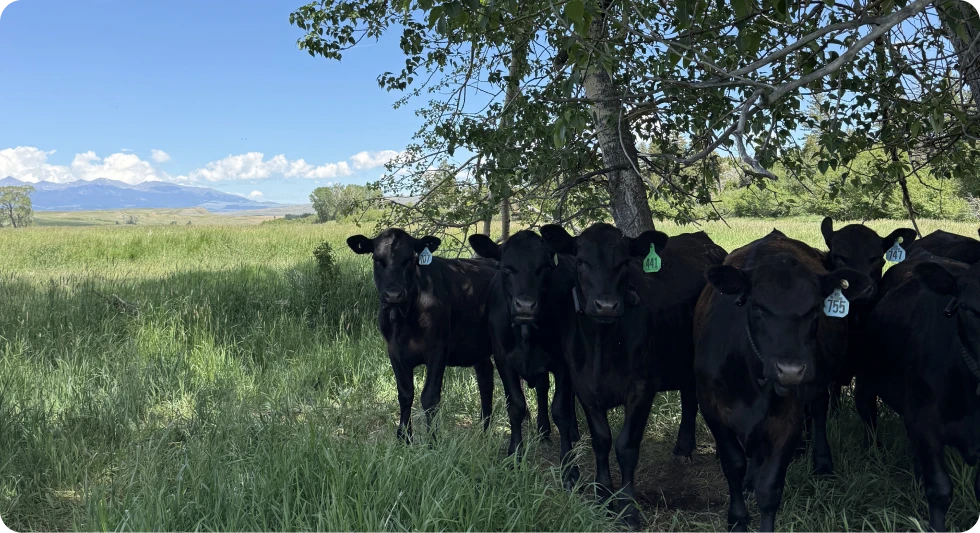
Dr Sam Wyffels and his team are testing whether virtual fencing can balance riparian protection with water access points, without the need for infrastructure. Across two grazing seasons on a 220-acre mountain riparian pasture bordering Brackett Creek in the southwest Montana’s Bridger Mountains, 80 yearling heifers are managed under two strategies using Halter: rotational grazing through six virtual paddocks, and season-long grazing across the whole area. Both rely on virtual fencing alone to keep cattle out of the creek, with access only at designated water gaps.
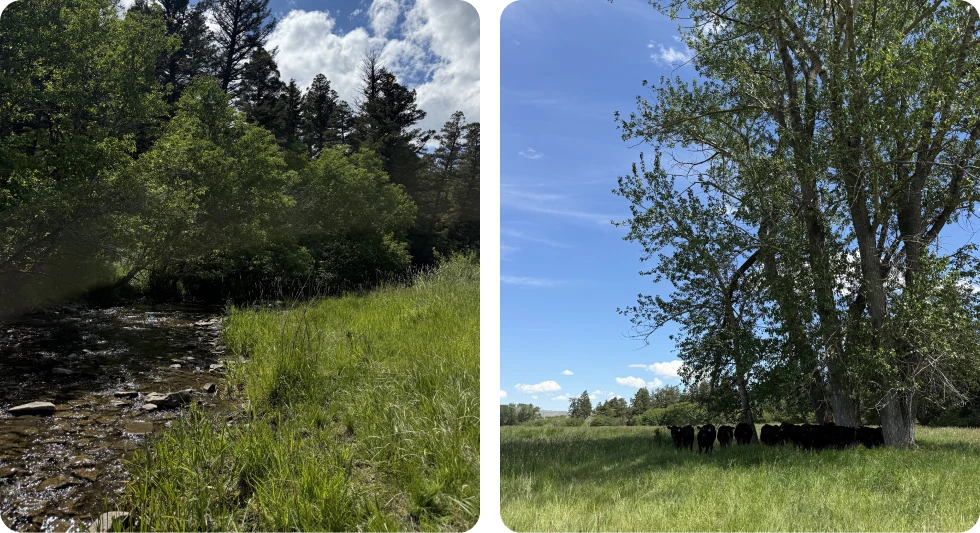
The Montana State team pairs Halter’s data on cattle location and grazing behavior with weekly forage sampling and regular heifer weight, body condition, and stress measurements; this links the verified location of cattle grazing with the riparian conditions and animal outcomes observed.
First-year results show cattle distribution has been managed effectively through virtual fencing under both strategies, with the grazing strategy itself driving the differences in forage quality and animal performance. Season-long grazing retained forage quality later into the season and produced greater weight gain than the rotational treatment; a useful reminder that the right strategy depends on the landscape rather than on a general rule.
The wider implication for producers is a practical one: virtual fencing makes it possible to protect ecologically sensitive ground and adapt grazing as conditions change, without committing capital to permanent infrastructure where fence is hardest to build and most damaging to install.

