


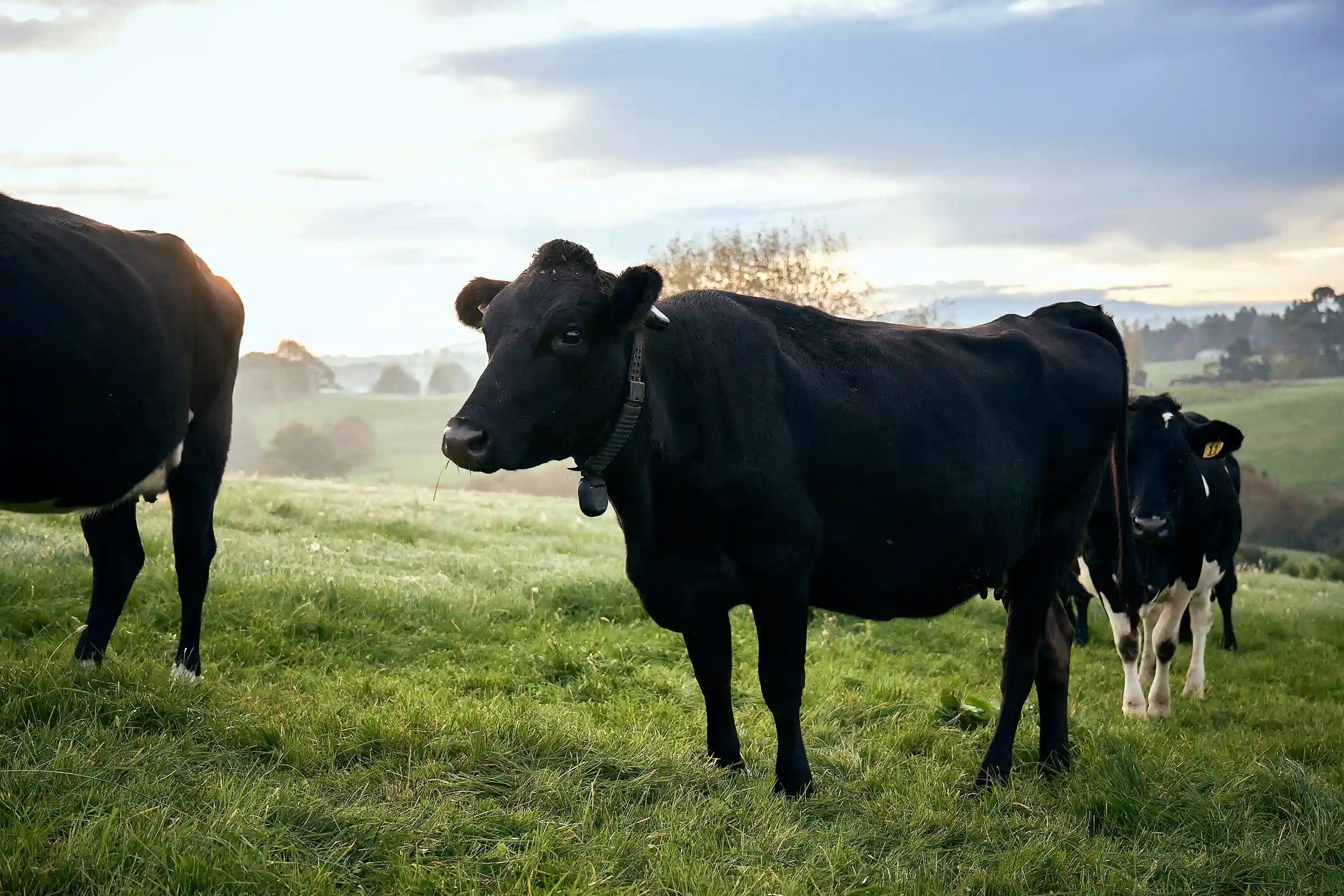


.webp)
Utilization and dispersal rate on rangelands
On the broad, arid expanse of the Santa Rita Experimental Range, U of A researchers are partnering with local ranchers to better understand cattle movement and forage utilization using Halter's collar data, including location and grazing behavior. By analyzing how cattle herds disperse across year-round grazing country, the team hopes to generate insights into livestock interactions on heterogeneous rangelands.
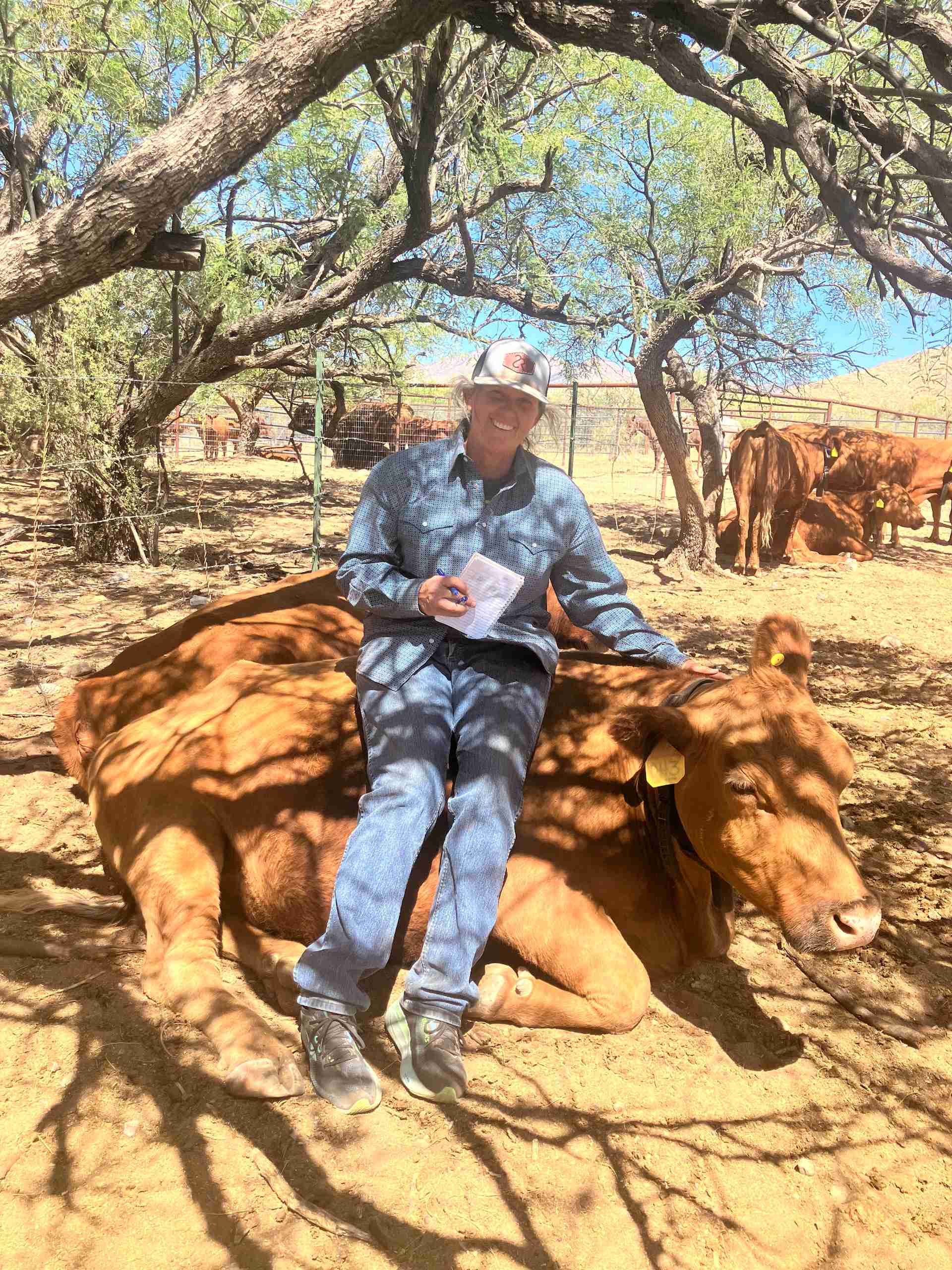
The team is using real-time data to keep forage use at the right level, protect native forages, and set virtual fencing boundaries that keep cattle out of sensitive riparian zones. The research is built to help inform ranchers in these environments as they make grazing and movement decisions where forage and water are limited. Beyond the research, the U of A team is leading extensive outreach and extension work to help producers understand virtual fencing and how it fits into their operations.
"This project is about bringing precision livestock management to the realities of arid rangelands. By combining Halter's real-time collar data with on-the-ground vegetation monitoring, we are learning how cattle actually use these complex landscapes and how virtual fencing can help us better match grazing distribution to available forage while protecting sensitive areas like riparian zones.
What is especially exciting is that the work goes beyond research. Through workshops and direct collaboration with ranchers, we are helping producers understand not just how the technology works, but how it can fit into their own operations. So far, we are seeing strong engagement from the ranching community and promising results in both improving cattle distribution and increasing confidence in virtual fencing as a practical management tool for the Southwest."

