

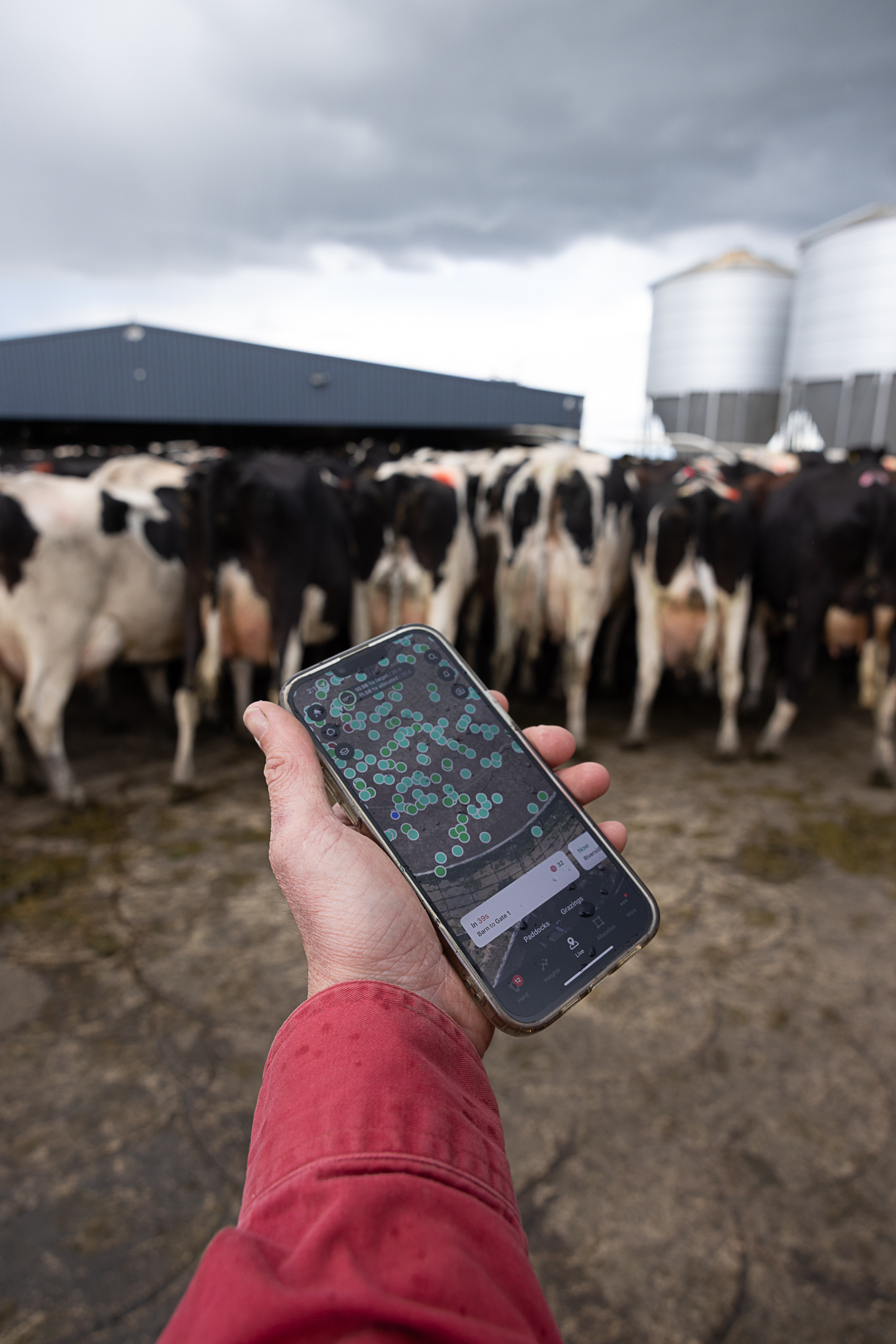
Every Australian dairy farmer knows the morning milking run. You're up before sunrise, on the bike or the quad, pushing cows up the race. It takes time, it takes fuel, and it takes someone physically on the farm to make it happen.
What if it didn't? With Halter, you can schedule your cows to start heading to the dairy at whatever time you set, and they'll be there ready by the time you arrive. No quad. No dog. No standing in the rain at 5am.
Here's how it works.
MoveMyMob: the feature that changes your morning
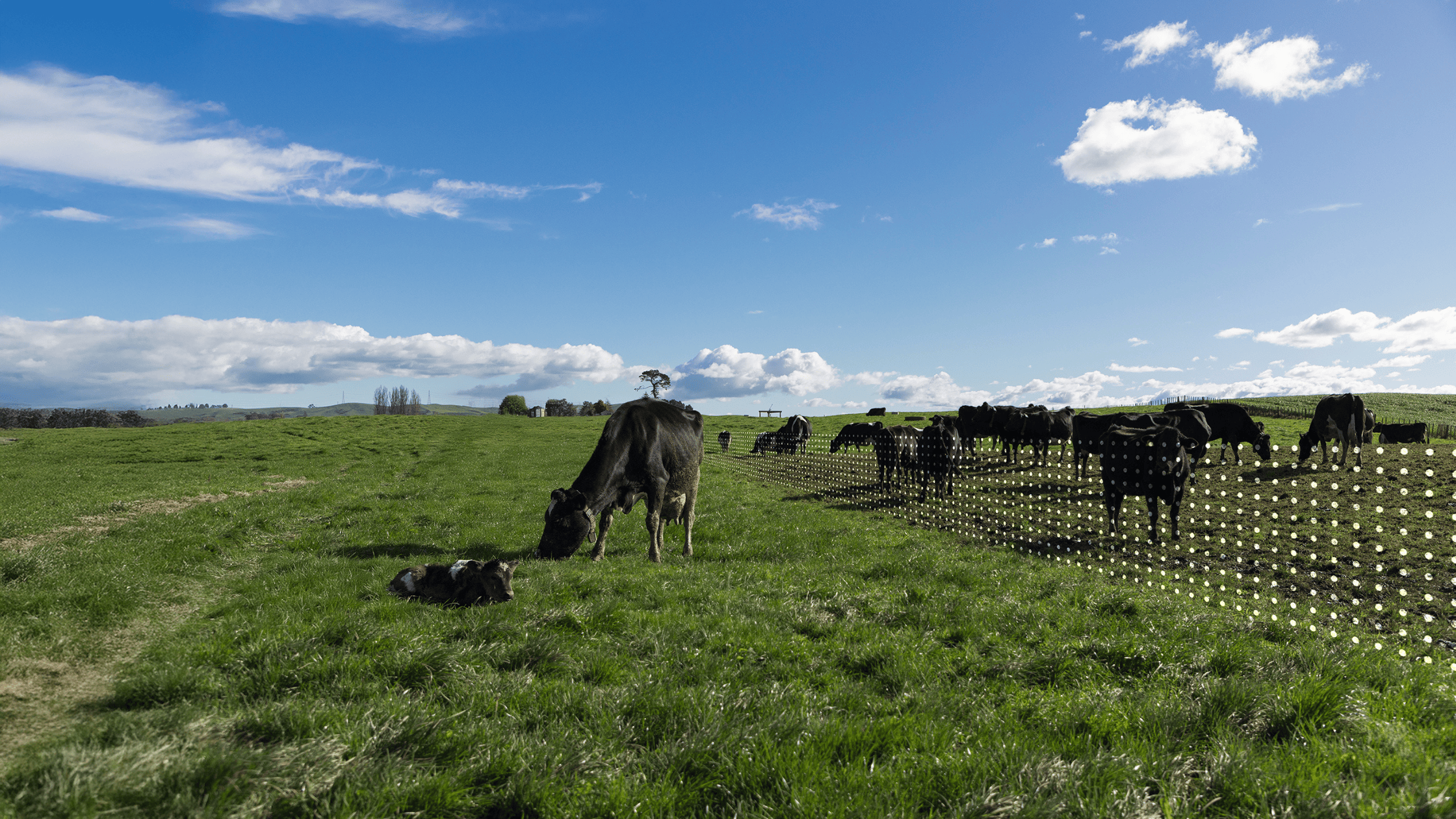
MoveMyMob is exactly what it sounds like. You schedule a mob shift in the Halter app, set the time you want your cows to move, and the collars take care of the rest.
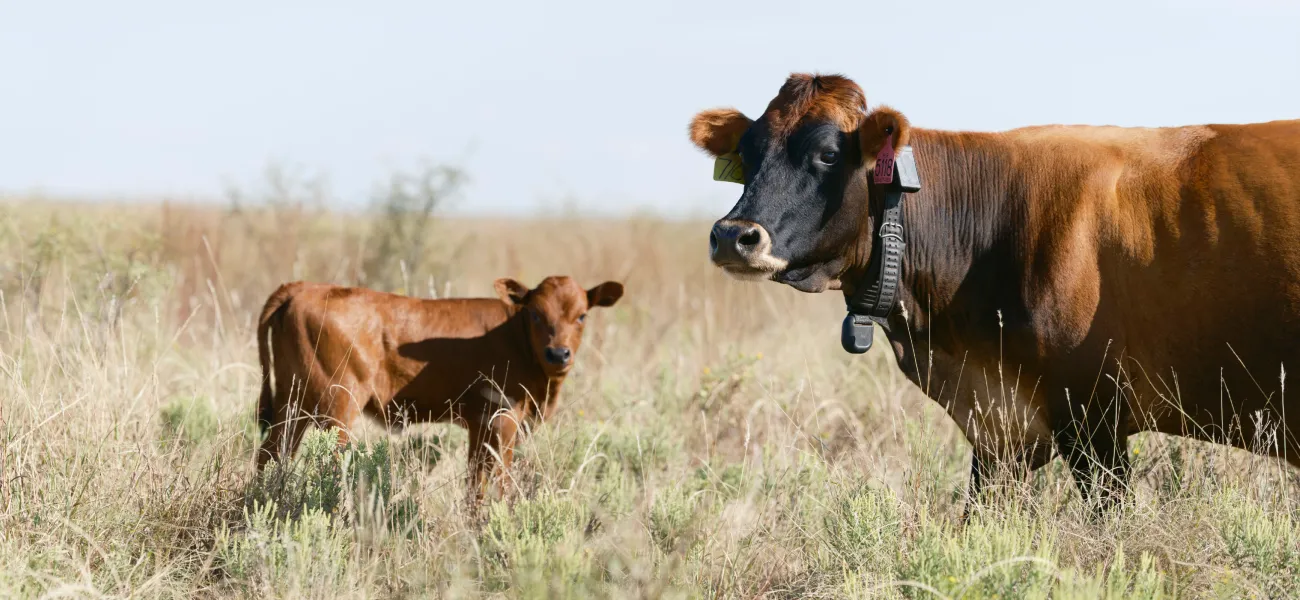
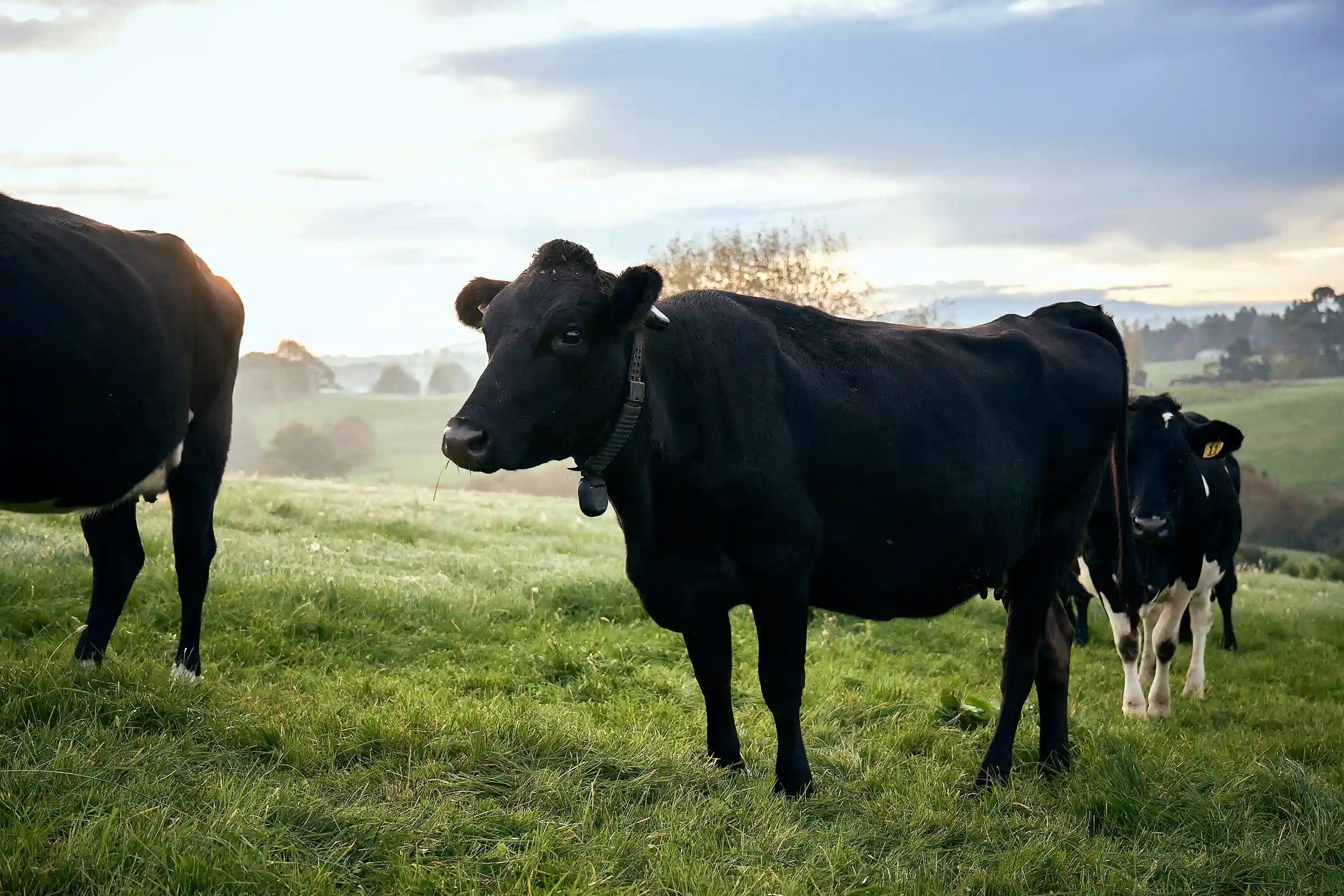
The cows are guided by audio and vibration cues from their collars. They hear a directional sound that tells them which way to go, and they walk at their own pace. No rushing, no stress, no dogs biting at heels.
By the time you get to the dairy, the mob is already on their way or waiting for you. If your breaks are already set up for the day, the shift is even smarter. Once cows finish the morning milking and head back to the paddock, they automatically move onto their next break, even if it's in a different paddock.
Take the guesswork out of your pasture
In spring, when your freshly calved cows are trying to recover and build production, that's something ready to be paid attention to. The more efficiently you can get cows back onto a good break after milking, the better your production numbers at the end of the season.
With Halter, you can map out exact virtual breaks for every mob. You set the specific pasture intake each cow needs for every grazing, while keeping a close eye on your round length and growth. It takes the guesswork out of grazing, giving you the visibility to make smarter decisions that boost both cow performance and pasture yield. You can schedule these shifts up to seven days ahead, and they'll sync to the collars automatically before the gate even needs to open.
Alistair Bowman, who milks an 800-cow herd in Tasmania alongside his wife Caitlin, says the pasture data changed how they think about feeding. "Halter's been able to give us the same control over the diet down to the kilogram that we have in the dairy and the feed bale on a paddock level. How much grass we're growing, how hard we can push our residuals - it gives us the confidence to know that the pasture we're growing will support more cows."

Why calmer cows matter
It's not just about saving your time. The way cows move to the dairy affects them too. When cows are pushed hard by quads or dogs, they arrive at the shed stressed. Stressed cows milk slower, are harder to handle, and are more likely to have mastitis events. Over a full season, that stress adds up.
Ash Gristede, who farms in Port Campbell, noticed it on his farm. Without motorbikes behind them, his herd seemed quieter. Staff also noticed health benefits almost immediately - the system monitors rumination and cow movement and sends an alert when something looks off. "We can pick up when most of our cows are sick straight away," Gristede said. "The Halter system works off rumination and cow movement and gives you an alert."
Less time on the bike. More time on the farm.
Halter farmers save more than 20 hours a week on average from daily jobs that used to require someone physically on the farm. For Gristede, the decision to get started was straightforward. "We figured the quicker we implement it, the quicker we're making money out of it," he said.
He wasn't wrong. "We've saved upwards of four hours a day on someone sitting on a motorbike behind the cows," he said. When you factor in time, labour, motorbike wear and tear, and fuel, Gristede estimates his operation is "$85 to $90,000 better off. That's without any of the additional features and the pasture utilisation benefits that can be improved on."
The personal impact is just as real. "I get home two hours earlier at night than what I used to, I'm less stressed than what I used to be and we've reduced our motorbike and staff costs by a significant amount."
For a sector facing real labour pressure, that's not a small thing. Caitlin Bowman who farms alongside her husband Alistair in Tasmania, also puts it plainly: "If you factor that in and say someone's doing two and a half hours five days a week, it's nearly a whole day's worth of pay that you're just paying them to sit in the buggy and move cows."
Ready to see it for yourself? Watch our Tasmania case study here!