

Getting more out of your winter feed gap
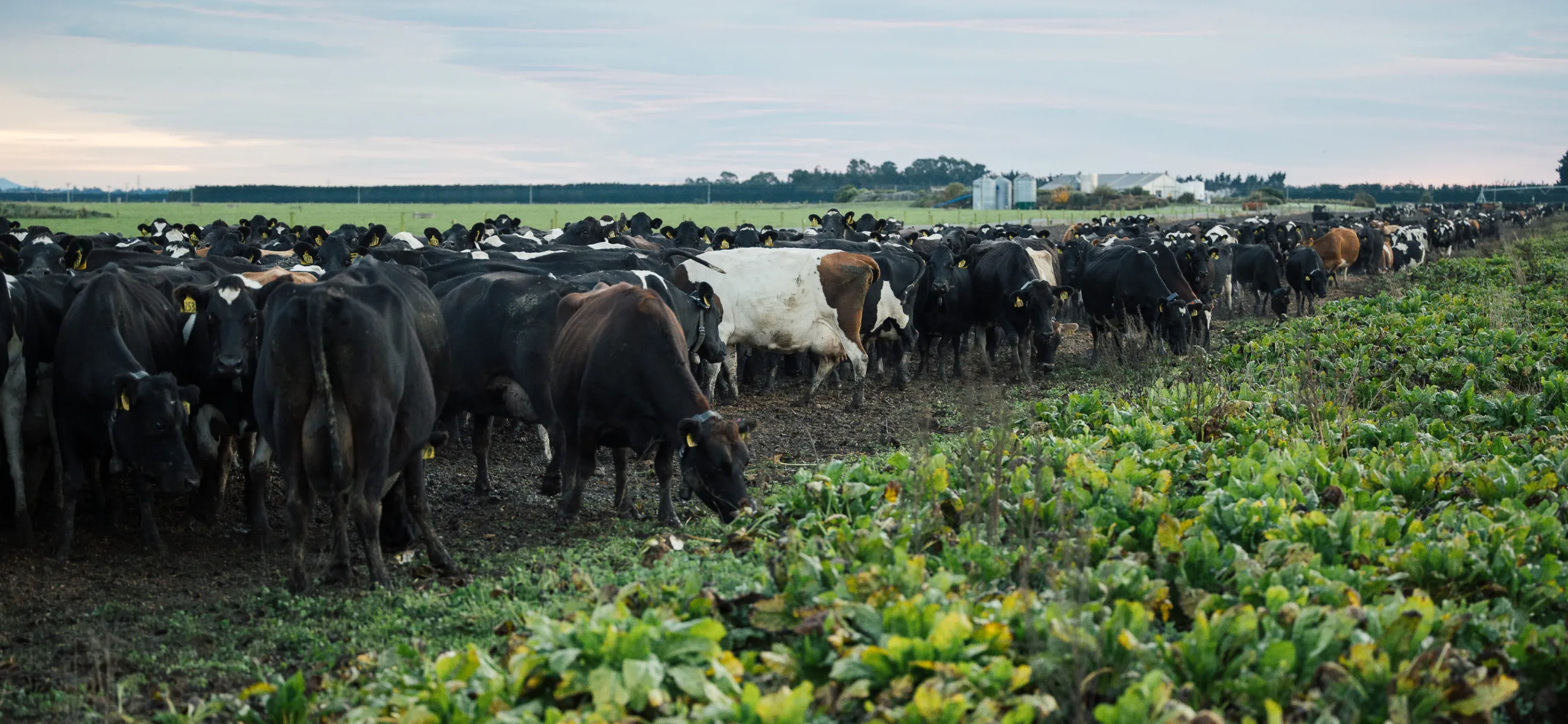
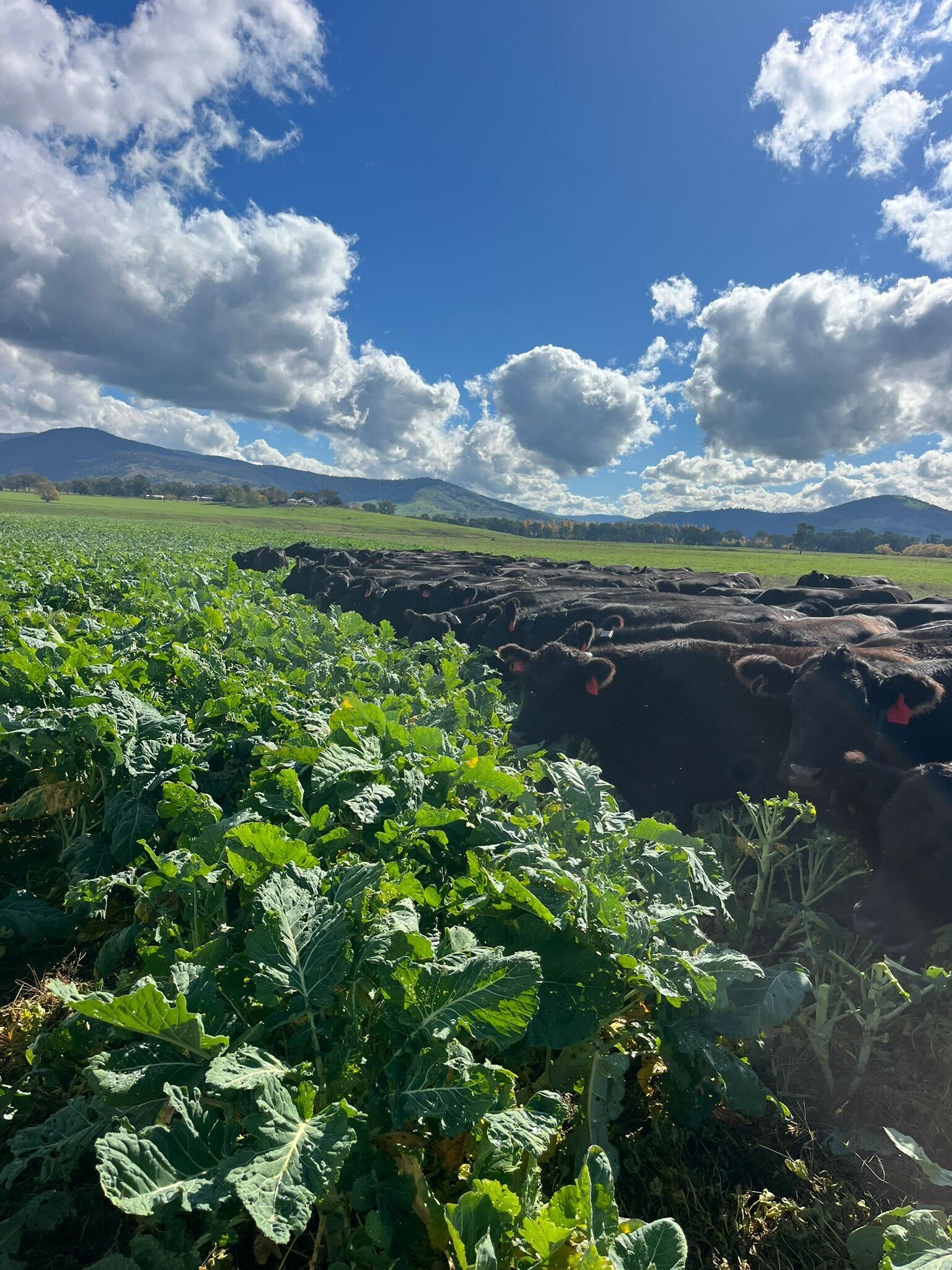
We posted a video recently of a mob of Angus cattle piling into a kale crop at sunset and it got one of the biggest reactions we've had on social media. Some farmers loved it, some called it wasted feed, and some just loved the sound of cattle chomping - so let's deep dive into the benefits of a crop kale. If used efficiently, kale can be a great high-value feed and carry your herd through the leanest months of the year, but managed poorly it can turn into a bit of a mess.
Kale is one of the highest-yielding winter feed options available, often exceeding 17 tonnes of dry matter per hectare, well above what most pasture paddocks produce over the same period. Crude protein typically sits between 15 and 25 percent, and the whole plant, leaf and stem, is highly digestible when it's grazed at the right stage.
For beef operations, that means weaners and store cattle can keep growing through the parts of the year when pasture alone can't cut it. For dairy farmers, kale fills the same role it always has: a reliable feed source when grass growth drops away in autumn and winter, without needing to buy in as much supplement.
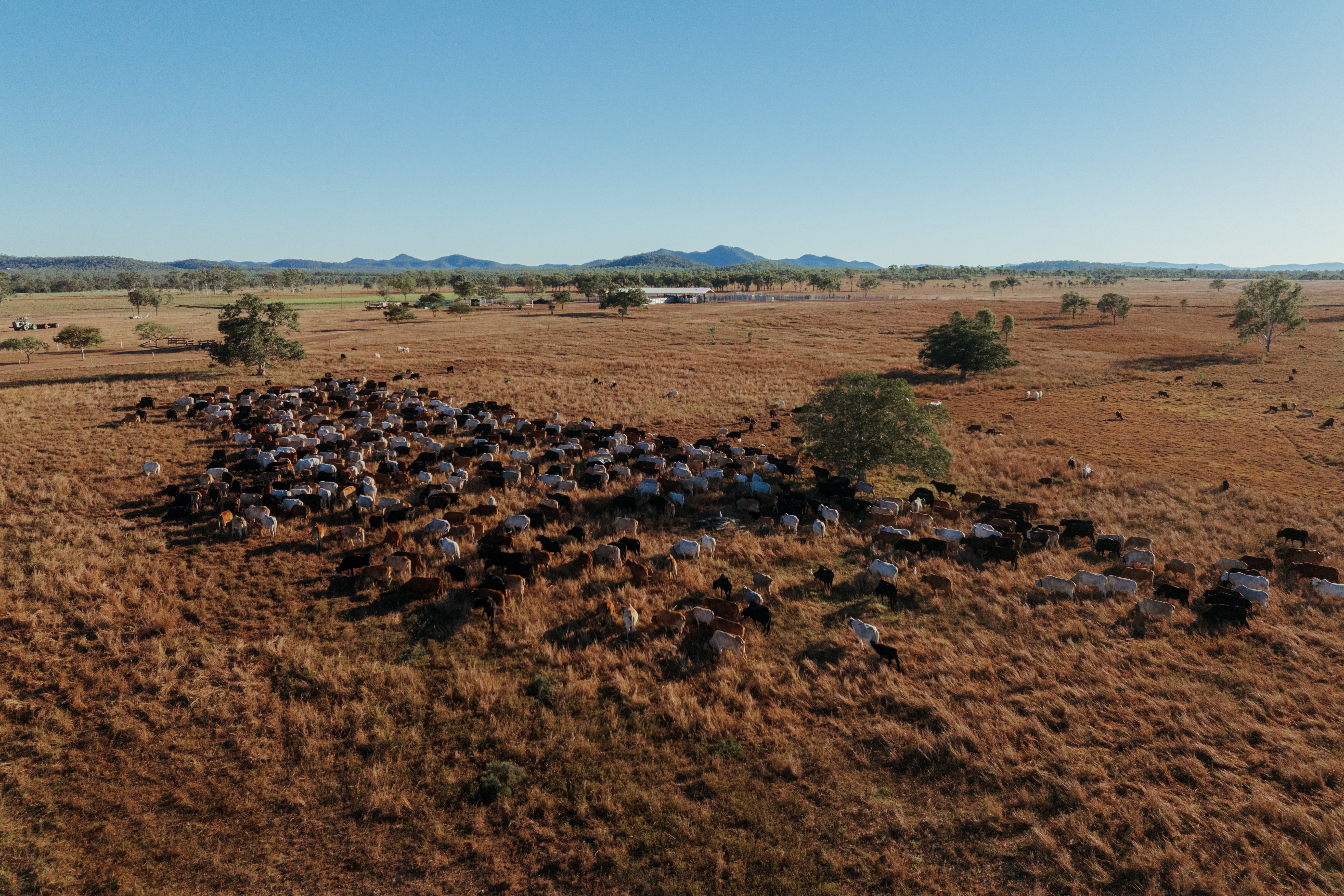
Kale's reach is expanding across Australia, with recent research showing forage brassicas have significant potential in the medium and lower rainfall parts of the country's mixed farming zone. In these hotter, drier regions, sowing in autumn (roughly March to May) is often the most dependable approach, providing reliable feed through winter and spring that can stretch into early summer where winters are mild. While spring sowing (roughly September to October) remains a suitable option for temperate areas with milder summers and reliable rain, autumn sowing offers a robust alternative to cereal crops like oats, barley, or wheat, making kale a valuable high-energy feed choice wherever canola struggles to perform.
Risk associated with Kale
There are some risks that are associated with using kale as a crop, but managed efficiently they are easily overcome. Below are some of the risks associated with kale and ways to manage them.
Nitrate and nitrite poisoning - Brassica crops, including kale, can accumulate high nitrate levels, particularly after a drought breaks, following frost, or after recent nitrogen applications. Agriculture Victoria has recorded major poisoning outbreaks in exactly these conditions. Hungry stock turned straight onto high-nitrate feed are most at risk, so the golden rule is simple: never graze hungry cattle onto a new crop. The leaf represents the most significant risk factor within the plant, and given the opportunity, cattle will selectively graze it every time. Managing this requires strict access control through traditional break fencing or virtual boundaries. To maintain rumen health, aim to allocate roughly 70 percent of their daily intake from the crop, supplementing the remainder with quality fibre like hay or silage.
Transition is important - Moving cattle from pasture onto a pure brassica diet without easing them in is where trouble can occur. A gradual introduction, alongside access to some fibre, gives the rumen time to adjust and avoids most of the health issues above.
How Halter can help
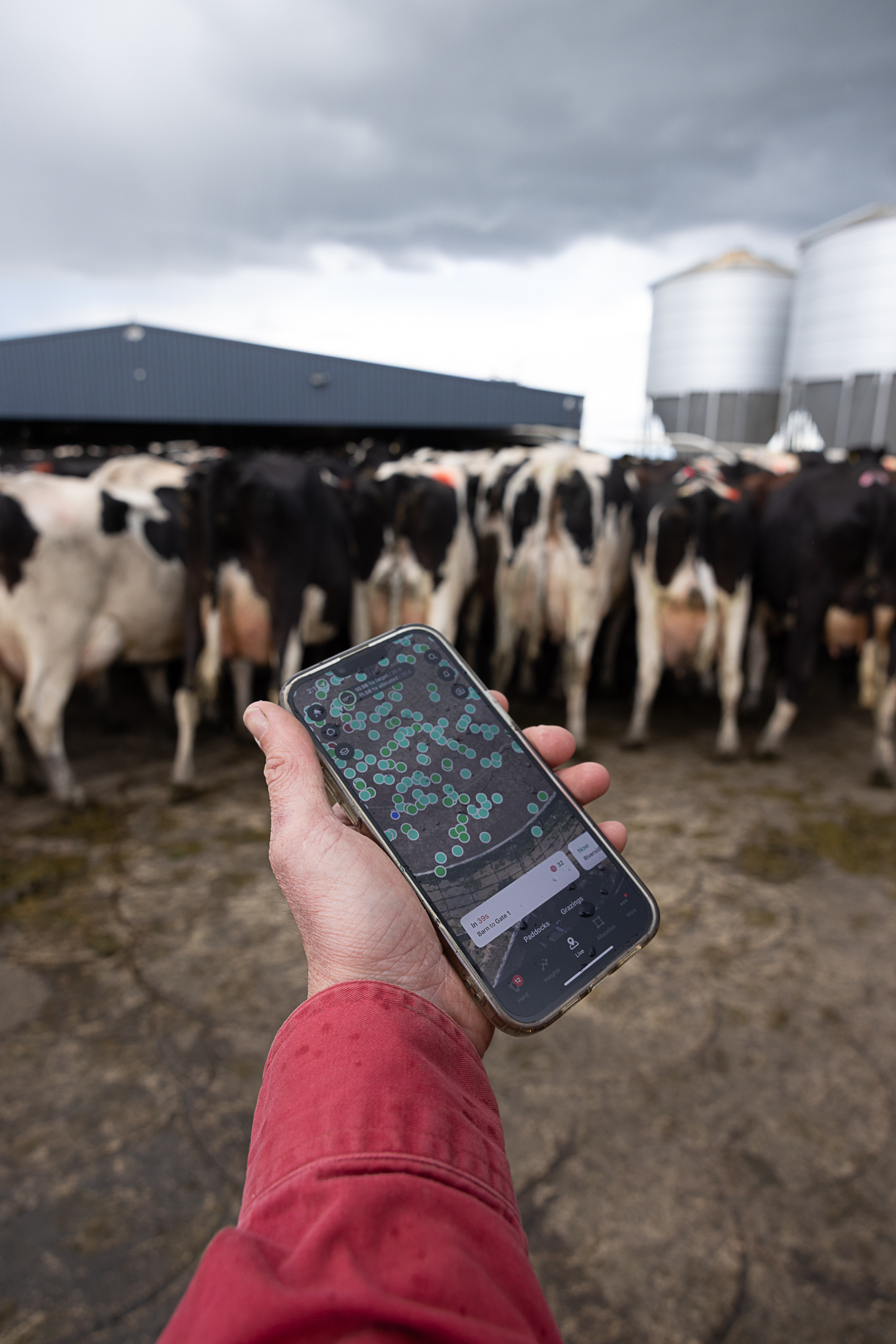
Halter can do more than just draw the break and save you climbing through the tall stalks of a kale crop. With a traditional tape or reel fence, you often need to mulch or mow a strip through the crop first just to get the fence up, since the kale plants themselves get in the way of the tape - that's lost utilisation before a single cow has grazed it. Halter skips that step entirely. Instead of clearing a path for wire, you create your breaks in the app based on kilograms of dry matter per cow, right down to the scale a dense crop like kale needs.
Reels and standards work, but they're slow to move, especially in wet winter conditions when the last thing you want is to be trudging through mud to shift a break. If conditions turn and you need to get cattle off the crop face and onto drier ground, that's a physical job, often at the worst time. That makes it hard to do the "little and often" feeding that's best for rumen health and nitrate risk management.
As one of our Halter account managers put it,
"One of the biggest advantages of virtual fencing with Halter is not having to put up break fences on your crops. Before Halter, a farmer would be trudging through the crop every day or so, setting up multiple fences in advance. Now there's just one virtual fence, set up through his phone, and the cows keep grazing naturally."
This is the gap Halter closes. Multiple smaller breaks a day become realistic instead of a chore, which supports the steady, gradual intake that protects against nitrate and transition issues. If the weather turns, cattle can be shifted off the crop and onto pasture remotely, without anyone heading out into the mud. Halter farmers report 10 to 15 percent better utilisation on kale as a result, simply from being able to manage breaks with that level of precision.
Managing stock on a crop
One question that has come up a lot is how pushier stock behaves on high-value feed like kale. Cattle push harder against a boundary when there's good feed on the other side of it, which is exactly what happens on crop.
With a physical fence, that usually means doubling up wire or running a second break as insurance. With Halter, the next break is drawn slightly overlapping the current one, so even if an animal does push through, it lands on more of the same crop rather than somewhere it shouldn't be. Bulls and other boundary-pushing animals also get access to a wider range of cue settings to keep them contained safely on crop, on top of the usual sound and vibration cues most of the herd responds to.
Kale can be a great way to use your land, but make sure to talk to your rural professionals and seek advice before making any decisions! If you want to see how Halter's virtual fencing handles the finer detail of drawing crop breaks, from kilograms of dry matter per cow through to the Guideline feature for farmers who aren't yield-testing, have a read of using Halter on crops.