

For 20 years, the day started in the dark.
Alarm at 2.45am. Out the door. In the paddock by 3.30am, on a motorbike, behind 500 cows, pushing them toward the feed pad so they’d be ready to milk. Summer, winter, autumn - it didn’t matter - somebody had to go and get the cows.
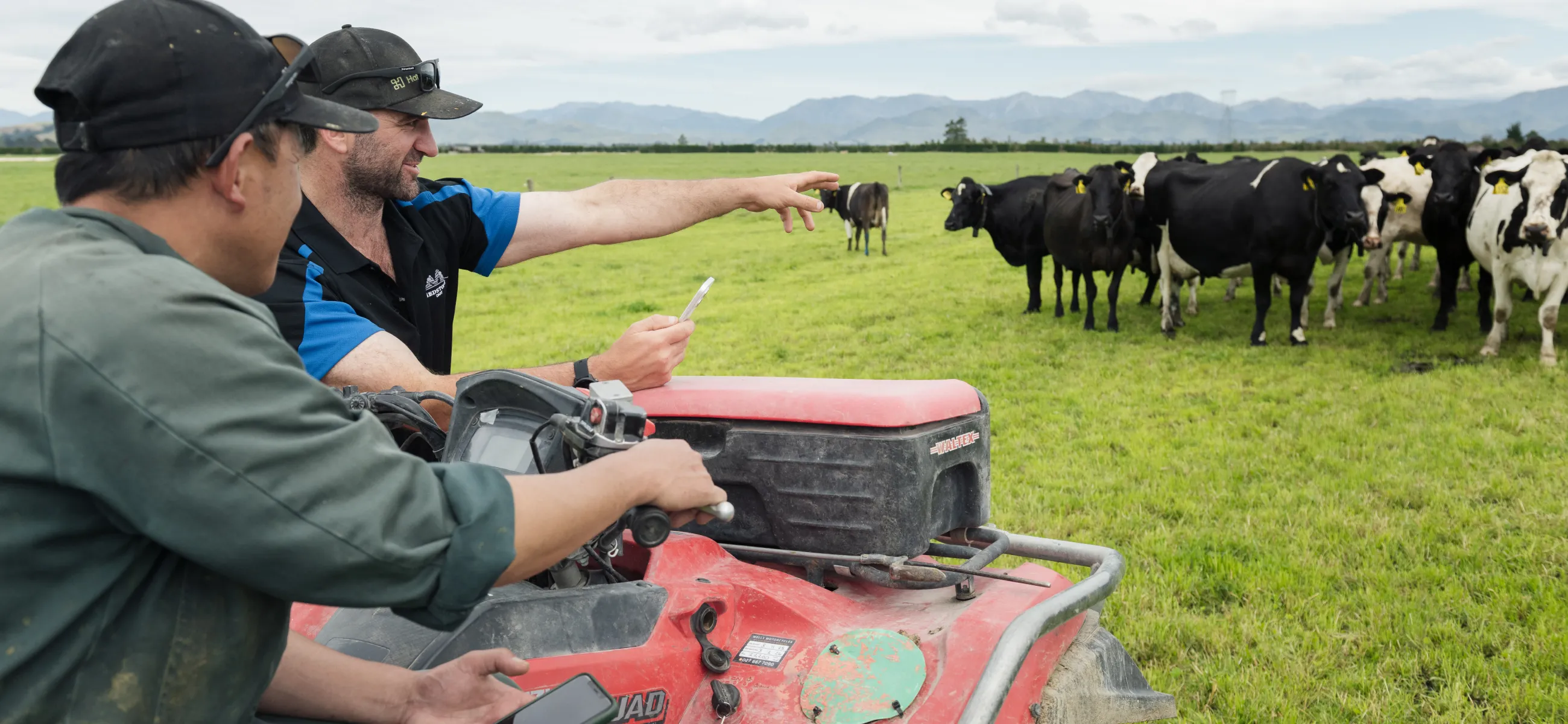
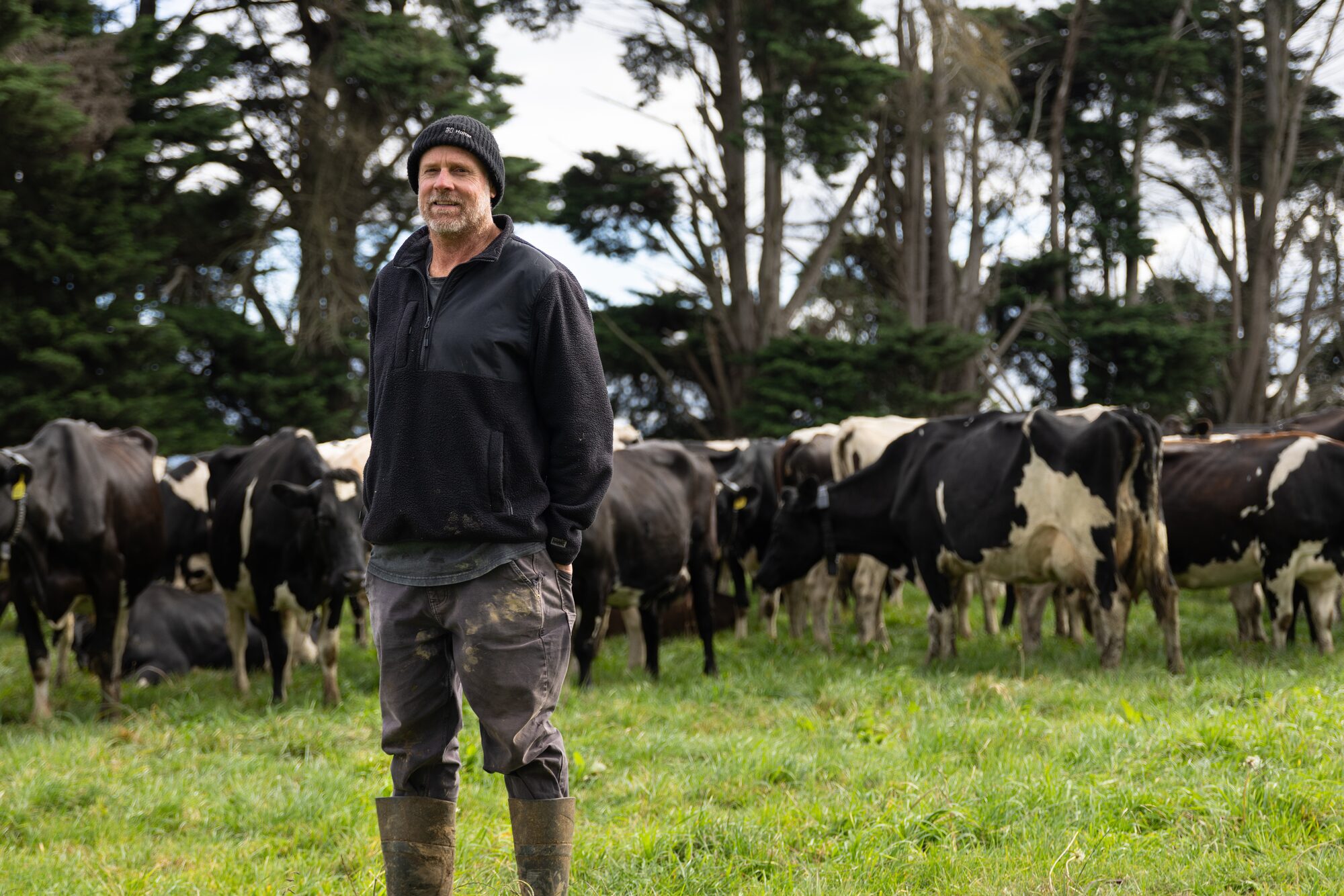
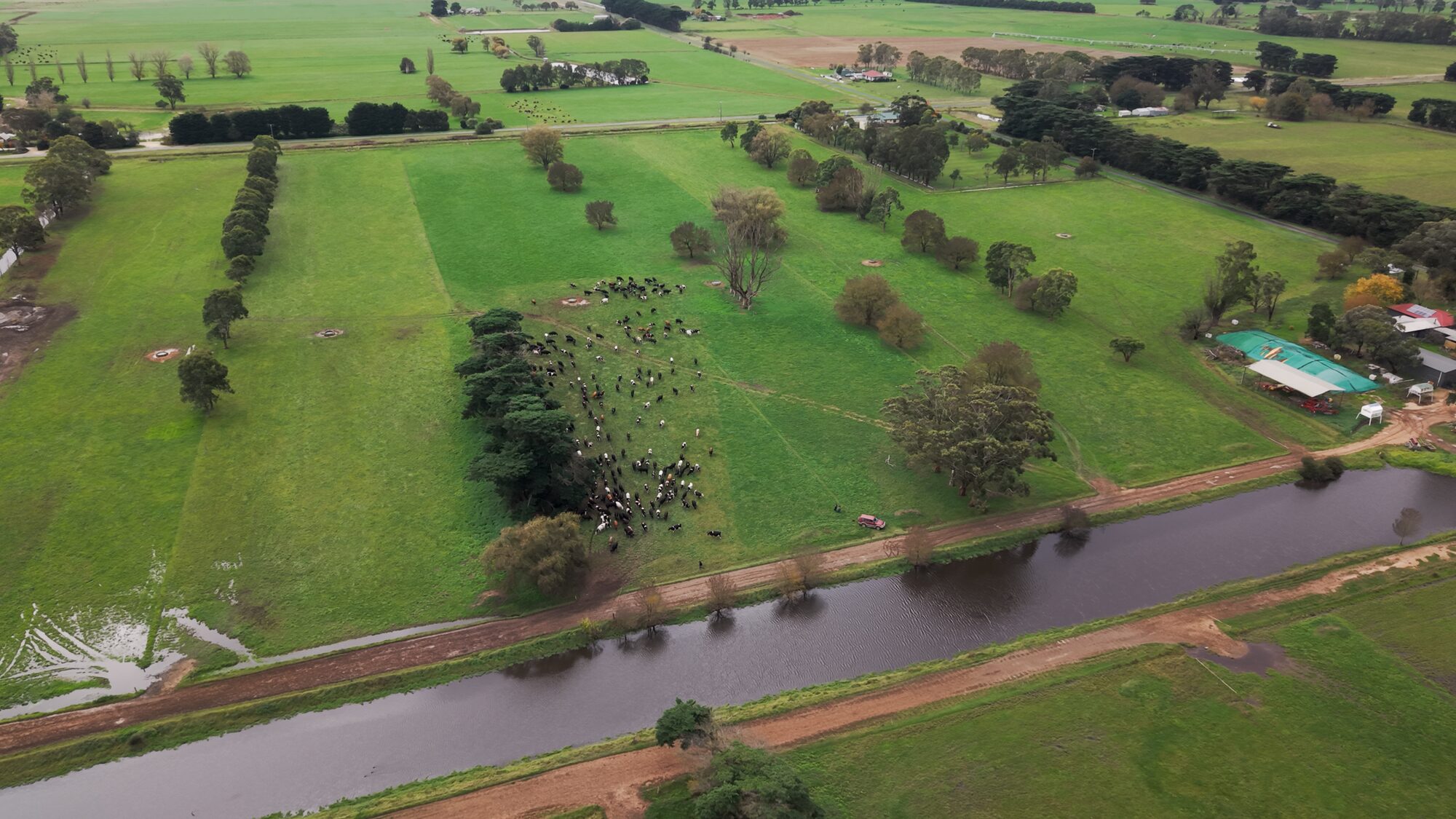
Ross Anderson farms 500 cows at Denison, in the Macalister Irrigation District in Victoria’s Gippsland. He’s lived there for 20 years, and is Victoria’s first Halter dairy farmer.
We asked Ross, how have your first 100 days of Halter been?
“I’ve had lots of farmers approach me who are trying to understand whether it’s for them. I actually have to hold back a little bit. I just want to tell them it’s so cool. Like, it’s so cool.”
What virtual fencing for dairy looks like at 3am
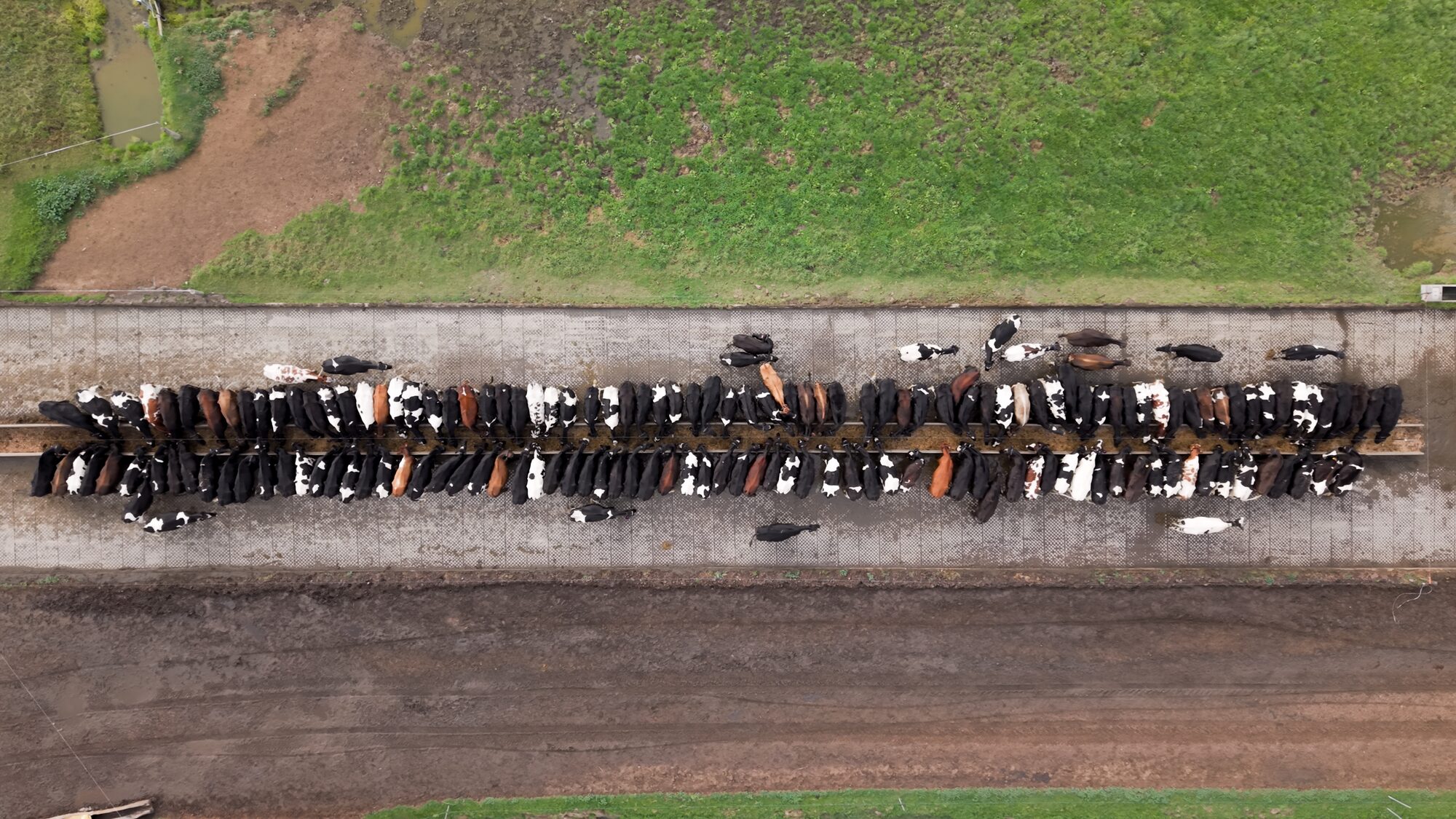
Ross runs his cows to the feed pad before milking. That used to mean the pre-dawn ride out to fetch them, and a race against the clock to get them onto feed.
Now, with Halter, the cows walk themselves to the feedpad at 3am.
They’re on the feed pad at 3am. They’re ready to milk at 4am, with a full hour of feed behind them. Ross splits the herd into two mobs, so the first mob comes to the dairy and gets milked while the second mob is released, brought to the feed pad, and fed before it heads in. No more sitting behind cows for over an hour.
What that actually feels like at 3am is the part he keeps coming back to.
“Whoever’s milking is getting up, having a look at their phone, seeing the cows are on the feed pad, calmly getting to work, bringing them into the dairy, starting milking. Versus having to go out there in the middle of the night in all sorts of conditions.”
His verdict on the job he used to do in the dark is short: “It’s never a great time to be sitting behind cows, so we’ve eliminated that. It just makes it so much more enjoyable. I love milking now because of that bit not being part of it.”
Labour and staff time: Two to three hours a day of more valuable work, straight away
Before Halter, the thing that got under Ross’s skin wasn’t the early start. It was wasted labour.
“It used to drive me mad watching staff sit behind cows. I just felt like it was such a waste of time and energy, whether it was the fuel of the motorbike or just the time the person was spending sitting there, because I could see there were lots of other jobs that weren’t getting done.”
Straight away, Ross reckons, his team got two or three hours a day back for more valuable work.
Then there’s the strip fencing. Ross is managing 300 hectares he doesn’t have to put a strip fence on anymore, and he’s no longer driving 5km up the road just to wind one up.
Pasture management: twenty years of “we’ll do it in the morning”
What surprised Ross wasn’t just the fencing costs he was savin. It was the grazing decisions he never used to bother making.
“We never went back out and gave them another little strip because of the labour involved. Whereas now we can allocate 50% or 60%, then allocate another 20%, then allocate another 20%, and it’s just done from your phone. It’s done from home. It’s crazy.”
Three allocations instead of one, every day, for the price of picking up a phone. The grass has noticed.
“We’re actually already seeing that the benefit is the grass is being managed better, and we’re actually growing more feed,” Ross says.
Animal behaviour: what a herd does when nobody’s pushing it
The other shift Ross talks about is how the cows themselves have taken to it. Instead of being pushed out of a paddock in the dark, they walk to the feed pad in their own time and arrive settled, which is why an hour on feed before milking is now possible at all. Calm cows, calm dairy, calm start to the day.
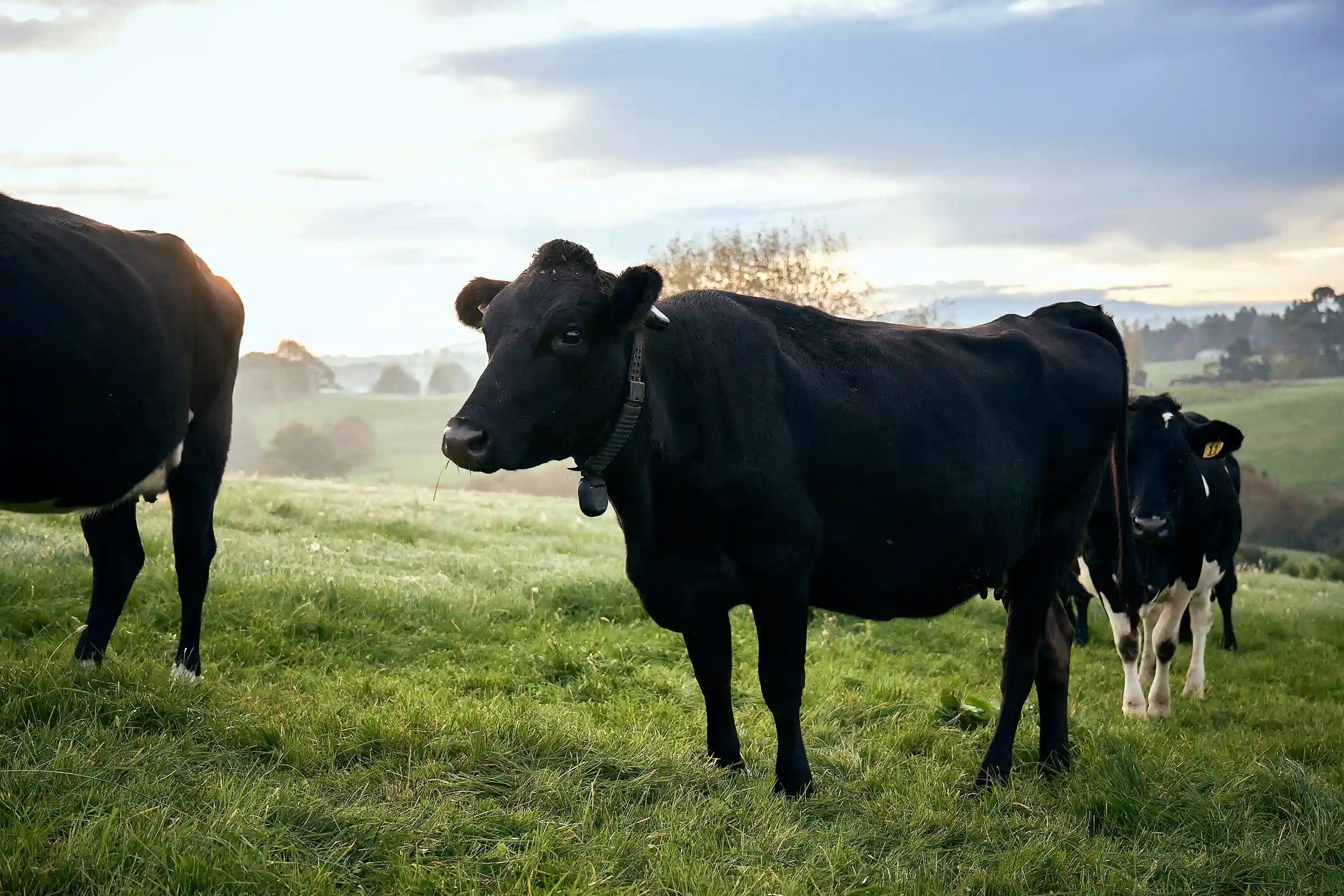
That’s the Cowgorithm doing the work. It’s the machine learning model behind Halter that teaches each cow to respond to a directional sound cue from her collar, so she learns to stop at a virtual fence and to walk toward the dairy when she’s asked. Cows pick it up faster than most farmers expect. Full training usually takes seven to ten days, most cows are responding to the sound cue on a pasture allocation inside the first day, and herds are typically walking themselves to the shed with nobody behind them by about day four.
The training is gentle by design. Through those first 10 days, a typical cow gets fewer than three low-energy pulses a day, and once she’s worked out that the sound means stop or turn, she mostly just listens to the sound.
The part that catches people out is what it removes. There’s no bike behind the herd, no dog, no gate to funnel through at a set time. The cows set their own pace, so they arrive at the feed pad in a mob rather than a queue, and they arrive on time without being hurried. On a 500 cow herd walking to a 3am milking, that difference shows up in the shed.
Health data: finding one cow in 500
The other thing Ross didn’t expect to lean on so quickly was being able to put his finger on a single animal.
Previously, a cow missed the drafts. Rather than hunting through a mob for her, they made her collar flash, walked out to her, and brought her back to the dairy for treatment.
“It’s pretty powerful to be able to see that a cow’s been missed and then find her on the map.”
That’s the small version of a bigger idea. Each collar sends more than 6,000 data points a minute, tracking grazing, rumination, resting, movement and location, 24 hours a day. Halter then compares each cow against two things: her own usual behaviour, and the behaviour of her mob.
So a cow who’s off her feed, ruminating less, or lying down more than she normally would gets flagged in the app, and that flag often lands before there’s anything to see with your own eyes. That’s the bit that changes the job. You’re not walking the mob hoping to spot the one that looks a bit dull. You get told which cow to go and look at, and then you use the flashing collar to walk straight to her, which is exactly what Ross and his team did.
It all lands in one place in the Halter app: a live map of the farm showing where every animal is, which ones need a second look, and how much feed is sitting in each paddock. Complex data, one screen, at 3am.
Mating: what the next 100 days looks like
Mating is the part Ross hasn’t put through its paces yet. He collared the herd 100 days ago, so his first full mating on Halter is still ahead of him. Heat detection is the job where getting it slightly wrong costs you for the rest of the season.
Halter runs on the same behaviour data as the health alerts. It learns each cow’s individual patterns and picks her heats off the changes in her own behaviour, which means it’s detecting heats every day of the year, not just through the mating window. Farmers see the cows on heat as a list in the app, then make the collar flash to find her in the paddock.
What that replaces is a decent chunk of work: no tail paint and no standing at the gate reading the herd as it walks past. And because the alerts are timed to the window where conception probability is highest, farmers get a better shot at getting each cow in calf on the first go. Halter dairy farmers have lifted their 6-week in-calf rates and brought their empty rates down.
For Ross, that’s all still ahead of him. Ask us again in another 100 days.
Fun to farm again
Ross has been doing things a certain way on this farm for two decades. The interesting part of his first 100 days isn’t just the hours back or the fences he hasn’t built. It’s that the whole team has started questioning the way they’ve always done it.
“It’s actually inspired us all to think differently. I’ve been here for 20 years and we’ve been like this. This is how we do it. And to sort of almost throw that away, it’s really cool. It’s quite infectious, the excitement. It’s just making it really fun to farm again.”
Not a bad return on 100 days.
Ross Anderson milks 500 cows at Denison in the Macalister Irrigation District, Victoria, and was the first dairy farmer in the state to put Halter on his herd. His story kicks off 100 Days of Halter, our series on what really changes in the first three months. Want to see what 100 days could look like on your farm? Get in touch with your local Halter rep.