

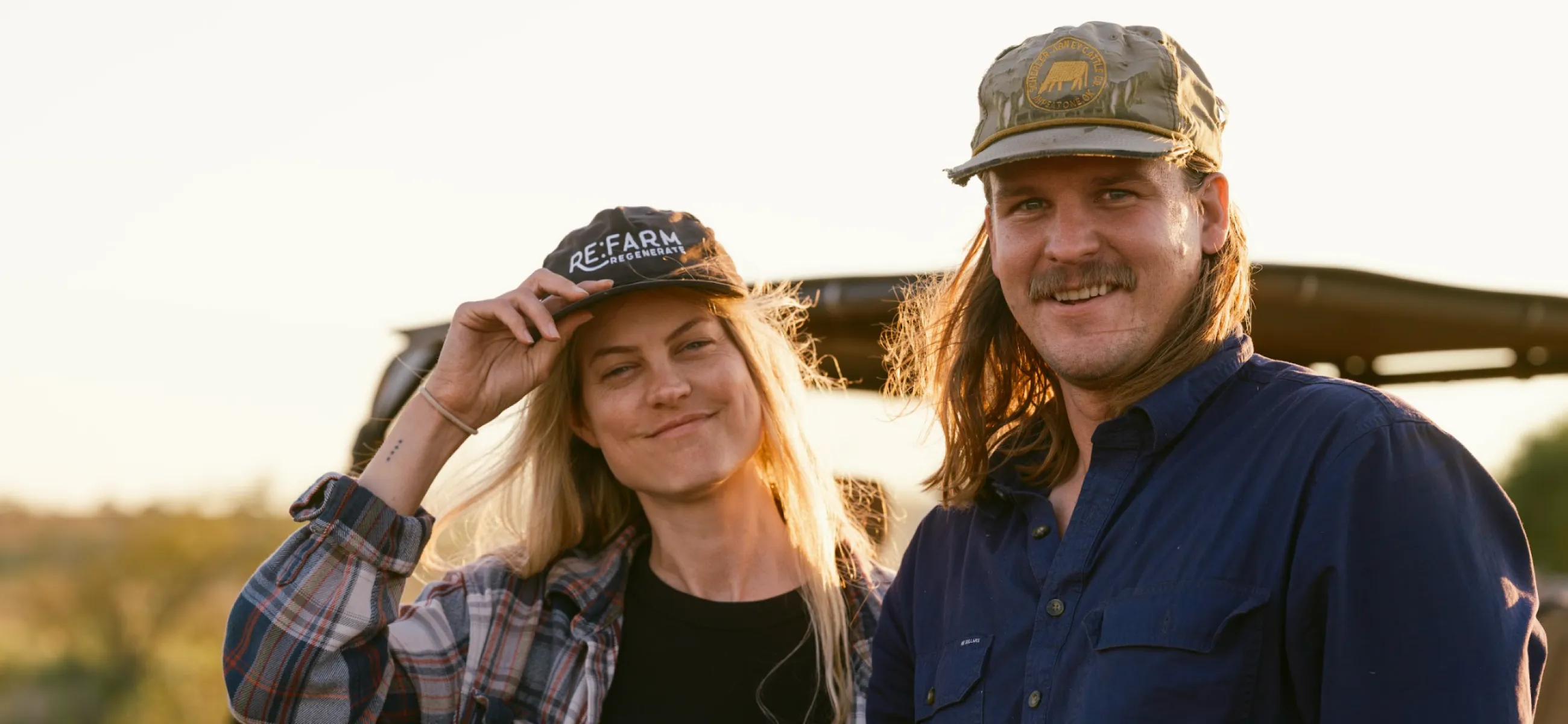
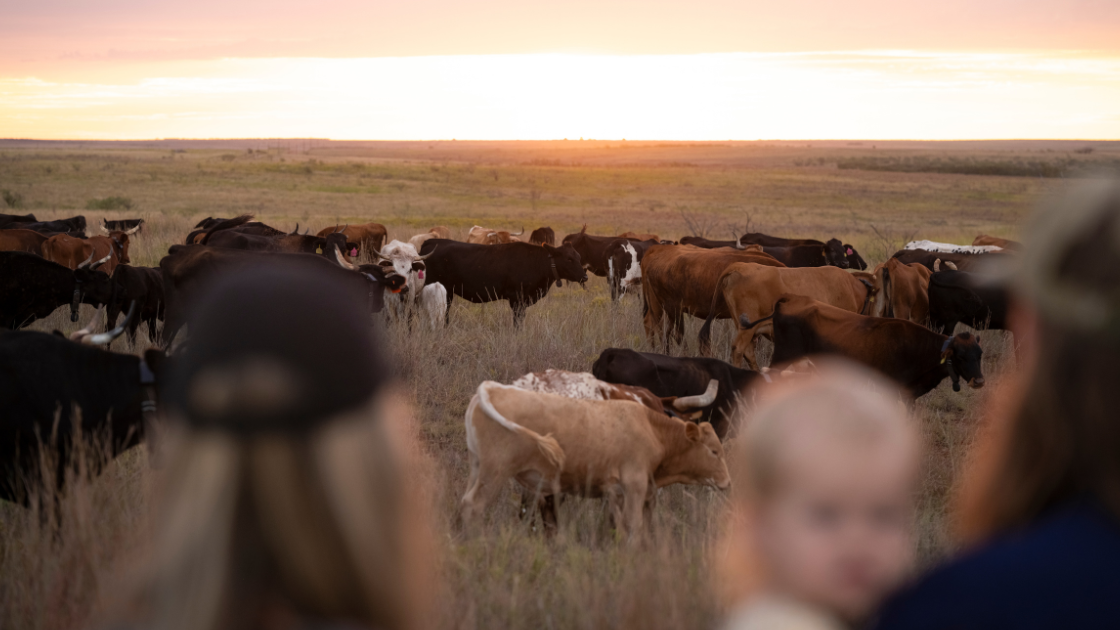
Kacie and Zach Scherler-Abney had been practicing ultra high density grazing on their southwest Oklahoma ranch for six years. The system was producing the kind of results they hoped for: pastures were recovering, cattle were performing, and the land responded exactly the way they believed it could. But the workload was unsustainable.
"We were loving the way our cattle were being used as a tool on our land," Kacie says. "But we weren't loving what it was doing to us."
Managing multiple moves a day with polywire meant early mornings, long stretches checking and shifting fence, and a pace that never let up. Their cattle caught on to the routine and often bunched up at the wire, pushing through the second it lifted. The system worked, but it created a hurried, stressed rhythm that didn't match how the Scherler-Abneys wanted their cattle or their ranch to operate.
"When you start putting pencil to paper, it becomes obvious you're not paying yourself fairly for the time you're spending," Zach says.
They weren't looking to change their grazing philosophy. They believed deeply in it. What they needed was a way to maintain the system without structuring their entire day around every fence move. That was the mindset they were in when they began looking at virtual fencing. They hoped it would save time, but they didn't expect how much of their operation it would transform.
Calmer cattle, better timing in week one
The first thing they noticed after switching to Halter was how differently the cattle moved. Instead of bunching up and charging through a gap in the wire, the herd eased into new pasture at a calm, steady pace.
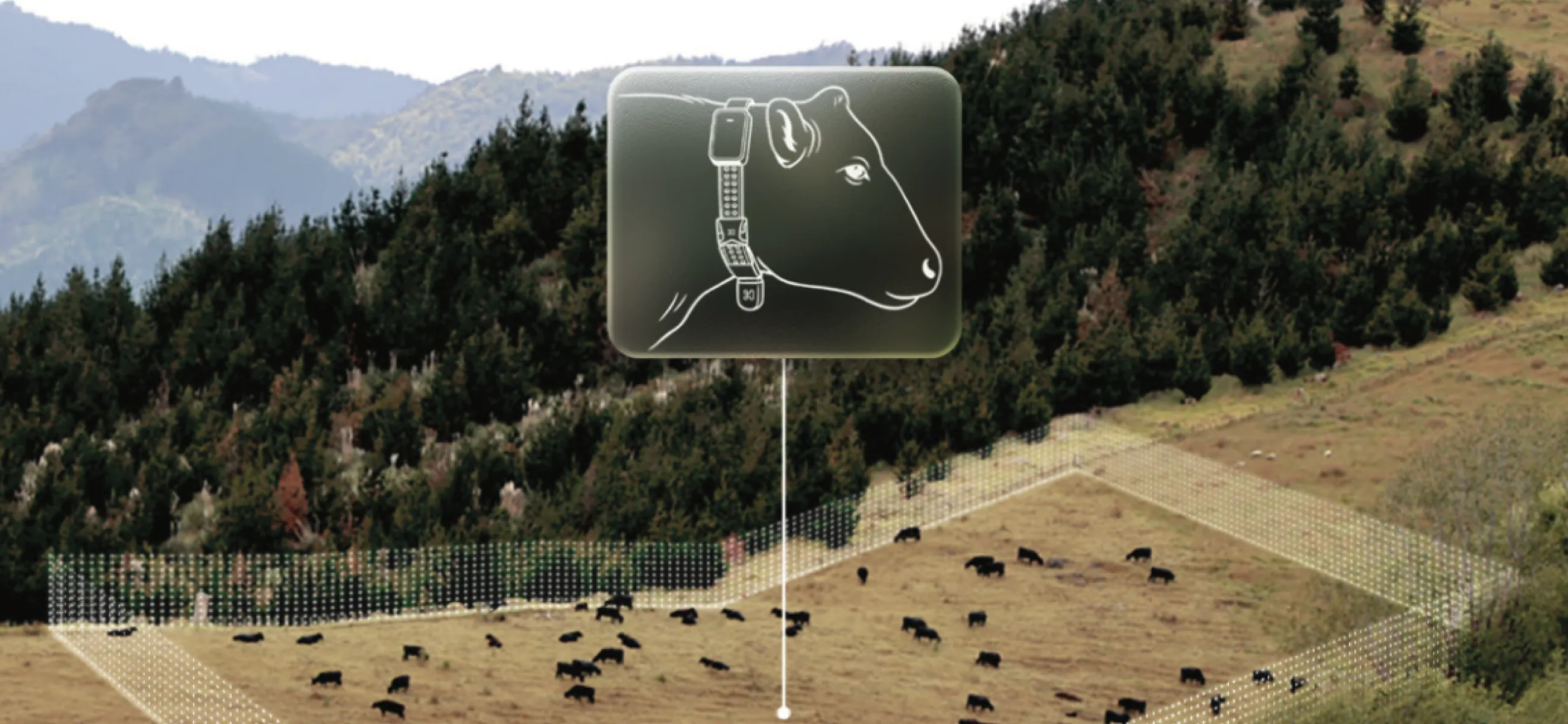
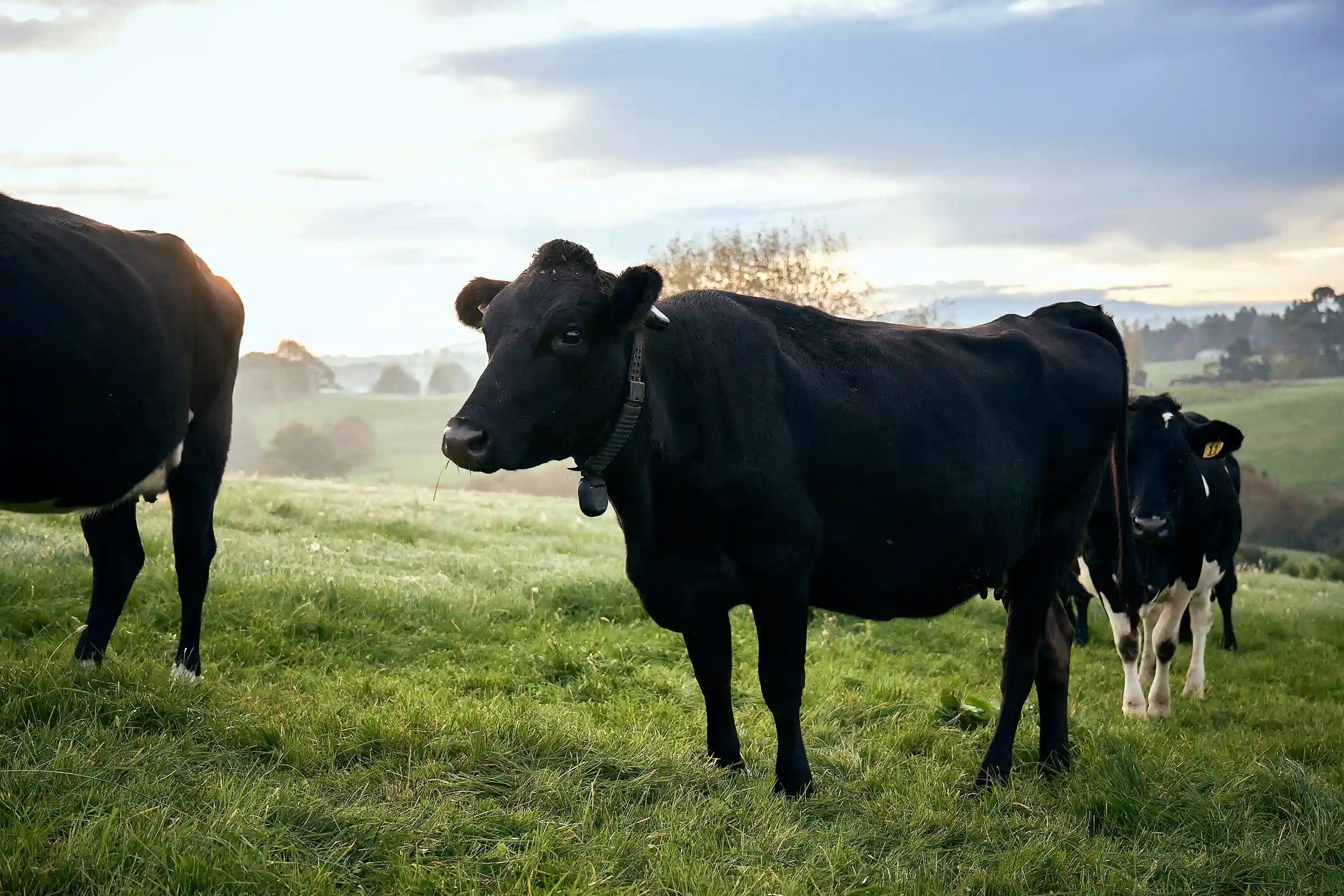
Because Halter's cues are simple and consistent, the whole herd stays calmer. A light vibration signals it's time to move to fresh feed, and they make their way over on their own. If an animal crosses a virtual boundary, an audio cue gently turns it back.
The entire system is built to work with cattle instincts rather than against them.
"With Halter, the moves are just a lot more mellow," Kacie says. "Their stress levels have gone way down."
Their timing changed, too. Instead of cramming moves into the middle of the day, the only time they could reliably be there, they started opening new areas early morning or evening, when cattle naturally prefer to graze. In the hottest months, they sometimes opened a break at night so cattle could settle onto fresh feed and avoid heat stress altogether.
And because every fence is drawn in the app, they can plan moves whenever it fits their schedule.
"We can open up a break at eight at night after it cools off and let them walk in on their own," Zach says.
If you're new to virtual fencing, our Virtual fencing for cattle: complete guide for ranchers is a great place to start.
Maintaining high stocking rates with less stress
Virtual fencing didn't change the Scherler-Abneys' goals. It made those goals more achievable. By keeping grazing pressure consistent and moving cattle at the right time, they were able to harvest more of the forage they grew while protecting recovery periods.
"One of the things we've really liked about Halter is that it gives us the ability to manage our cow herd super efficiently," Zach says.
"Right now we're running anywhere between two and three times the county average for stocking rate."
This increase came from better forage utilization and the ability to graze more precisely. Instead of taking 30-50% of the forage on a pass, they were now able to take 60% or more. That allowed them to run more cattle while still extending rest periods in their pastures.
Stronger winter grazing and lower hay costs
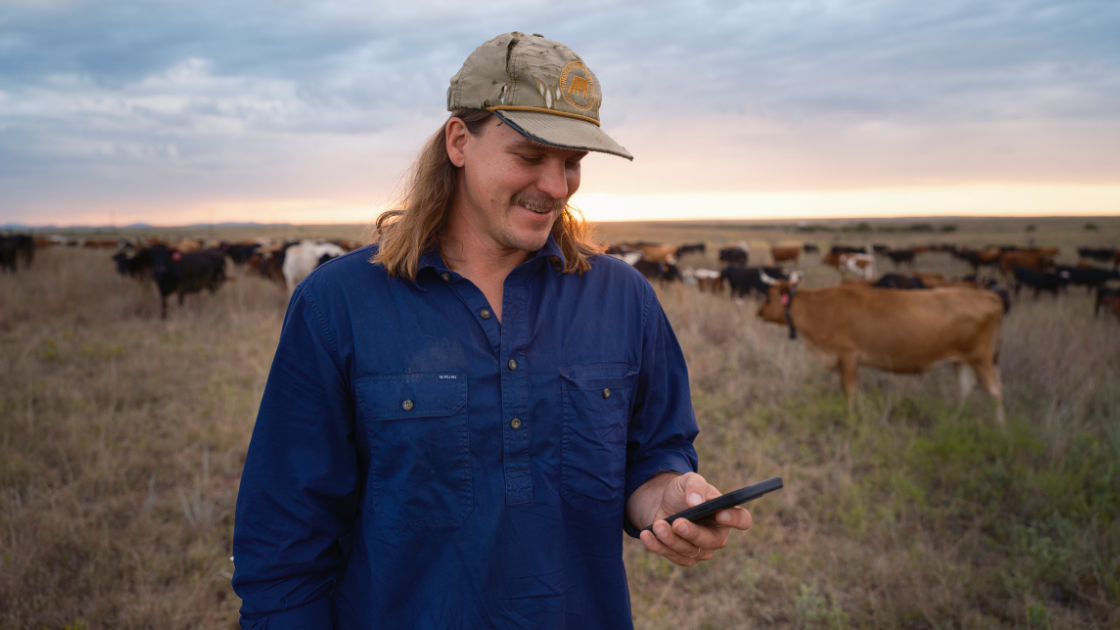
Winter used to involve stepping out long stretches of polywire in freezing weather or feeding hay when conditions made fencing difficult. Halter changed that. Now they handle winter strip grazing by drawing a virtual fence on their phone and shifting cattle without lifting a post or wire.
"We can move cows two hundred feet, a hundred feet, even a quarter mile just by drawing a line," Zach says.
Because virtual fences don't short out in snow, ice, or tall dormant grass, the Scherler-Abneys can graze more winter forage right where it stands. Cattle spend more days on stockpiled grass, which cuts down on hay feeding because they're still harvesting what's in front of them. And with fewer tractor passes, they avoid soil damage and pugging during wet spells.
Halter helps them use more of what they already grow. Instead of baling or feeding extra hay, they simply shift the grazing line and let the cattle take care of the rest.
Cutting labor costs and reclaiming time
Labor needs dropped significantly. Tasks that used to require a full day of physical presence became simple checks instead of must-dos.
"Halter virtual fencing has saved us a tremendous amount in labor costs," Zach says. "I don't need someone here from six thirty in the morning until late afternoon. I just need someone to check cows."
This shift allowed the Scherler-Abneys to focus on work that required human judgment while letting virtual fencing handle the repetitive parts of the grazing system. It also changed the rhythm of their mornings. Instead of starting every day in a rush, Kacie now begins with a quick look at the app.
"Our daughter calls it the cow app," she says. "I can see where every animal is. I don't have to wonder if someone wandered off. My morning and my pace look totally different now."
Accessing land they couldn't graze before
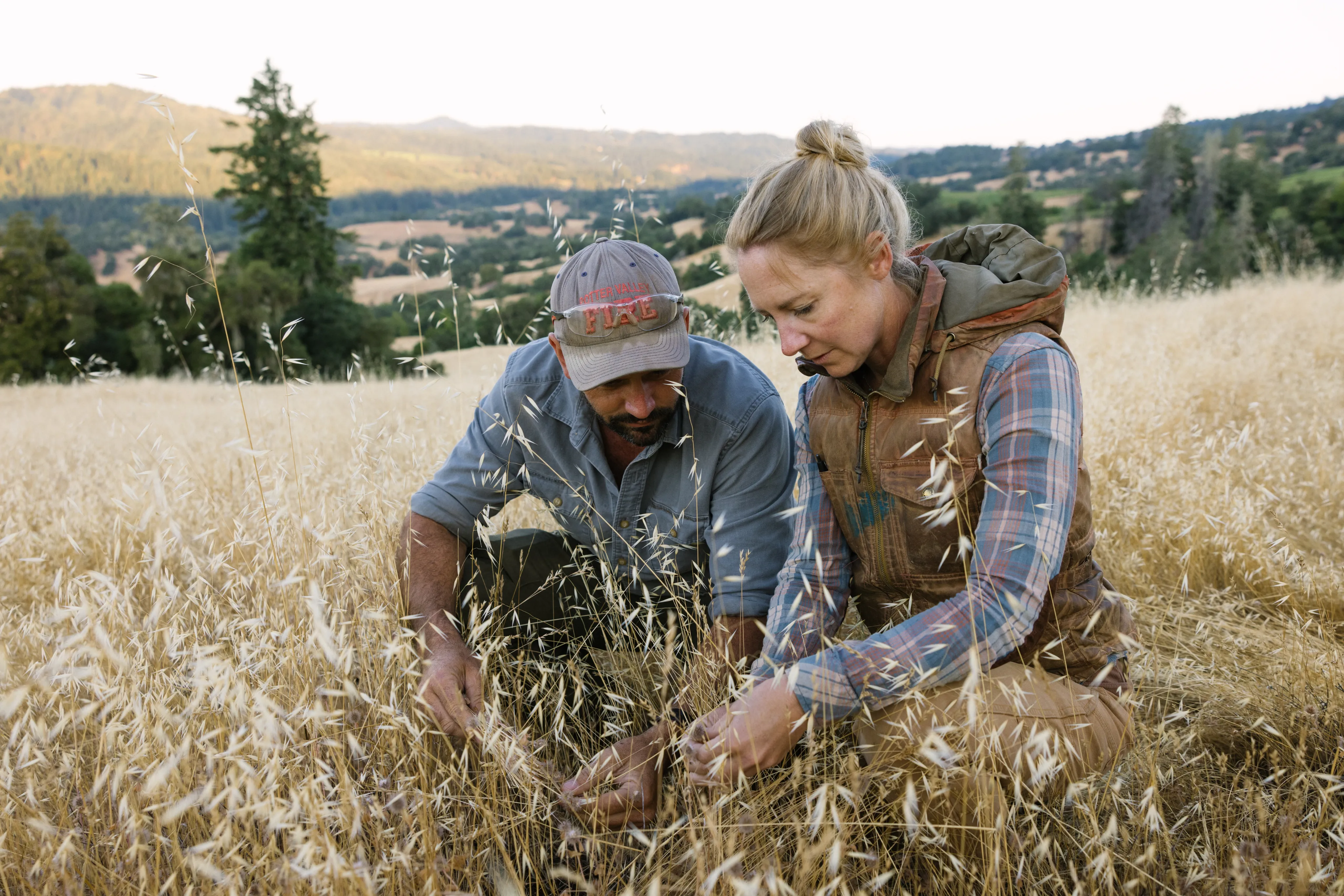
Their ranch includes brushy areas, mesquite patches, and pockets of Johnson grass. Many of these areas were difficult to fence using polywire and were grazed less often as a result. Virtual fencing changed that.
"This would have been a hard place to manage before," Zach says while standing in a mesquite stand. "Now I just draw a line where I want them contained and I'm not worried about the collars coming off."
They also use Halter to zero in on specific species when they're at their safest and most palatable. Without physical wire, they can graze high-value pockets at peak nutrition instead of treating the entire pasture the same. It opens up forage they used to avoid, which was too hard or too risky to manage with wire.
"Halter lets us graze microclimates instead of treating everything as one big block," Zach shares.
Better calf performance through natural creep grazing
Another unexpected benefit showed up in their calves. Before virtual fencing, calves were often restricted by polywire alongside their mothers. With Halter, cows wear collars and calves don't, which lets calves naturally creep graze ahead of the herd and return to nurse.
"We've already seen an increase in the size of our calves," Kacie says. "They can go find the best grass and come back to their moms. They're not restricted."
This improvement appeared in their first year with Halter!
A more sustainable way to run the ranch
The workload behind their grazing system had started to wear them down. They were committed to their land and their cattle, but the pace left almost no margin for family or rest. Virtual fencing shifted that balance.
"We knew this wasn't sustainable long term," Kacie says. "But we didn't want to stop doing what was working."
Soon after installing Halter, they did something they hadn't been able to do in years: take a real family vacation. They spent weeks hiking and traveling, checking on the herd from their phone as they went.
"We were never able to do that before," Kacie says. "It has been life changing."

Advice to other ranchers
The Scherler-Abneys receive a lot of questions about virtual fencing from neighbors and other ranchers. The most common concern they hear is about the investment, especially from those who have already spent years building or maintaining physical infrastructure.
"The biggest thing I see standing in ranchers' way is this sunk cost idea," Kacie says. "'I invested so much in fence. What about all of that?'"
She always turns the question back to the rancher.
"What do you want your ranch and your life to look like five years from now? Ten? Twenty?"
Most ranchers admit they want something different from their current pace.
"Nine times out of ten, they admit they want something different," Kacie says.
"And then the answer is simple. You should have bought Halter yesterday."
Looking ahead
Virtual fencing didn't replace the grazing system the Scherler-Abneys believed in. It kept their philosophy intact while lowering stress, improving economics, and giving them back the time that had been swallowed by constant fence moves.
"It sounded too good to be true," Kacie says. "But it turned out it's too good and very true."
Want to hear from other ranchers using Halter?
Explore stories from producers across the country.
Ready to see what virtual fencing could do for your operation?
Find your local Halter rep to chat about your ranch.