




Whether you're milking cows in the South West or running cattle across big country, Western Australia's farmers are about to get a lot more grunt behind their grazing. Halter is officially in WA, for dairy and beef.
If you've heard of Halter before, you probably know us for virtual fencing. That's just the start. Halter is a full farm management system that lives on your herd, in your paddocks, and in your pocket.
How our dairy farmers are using Halter
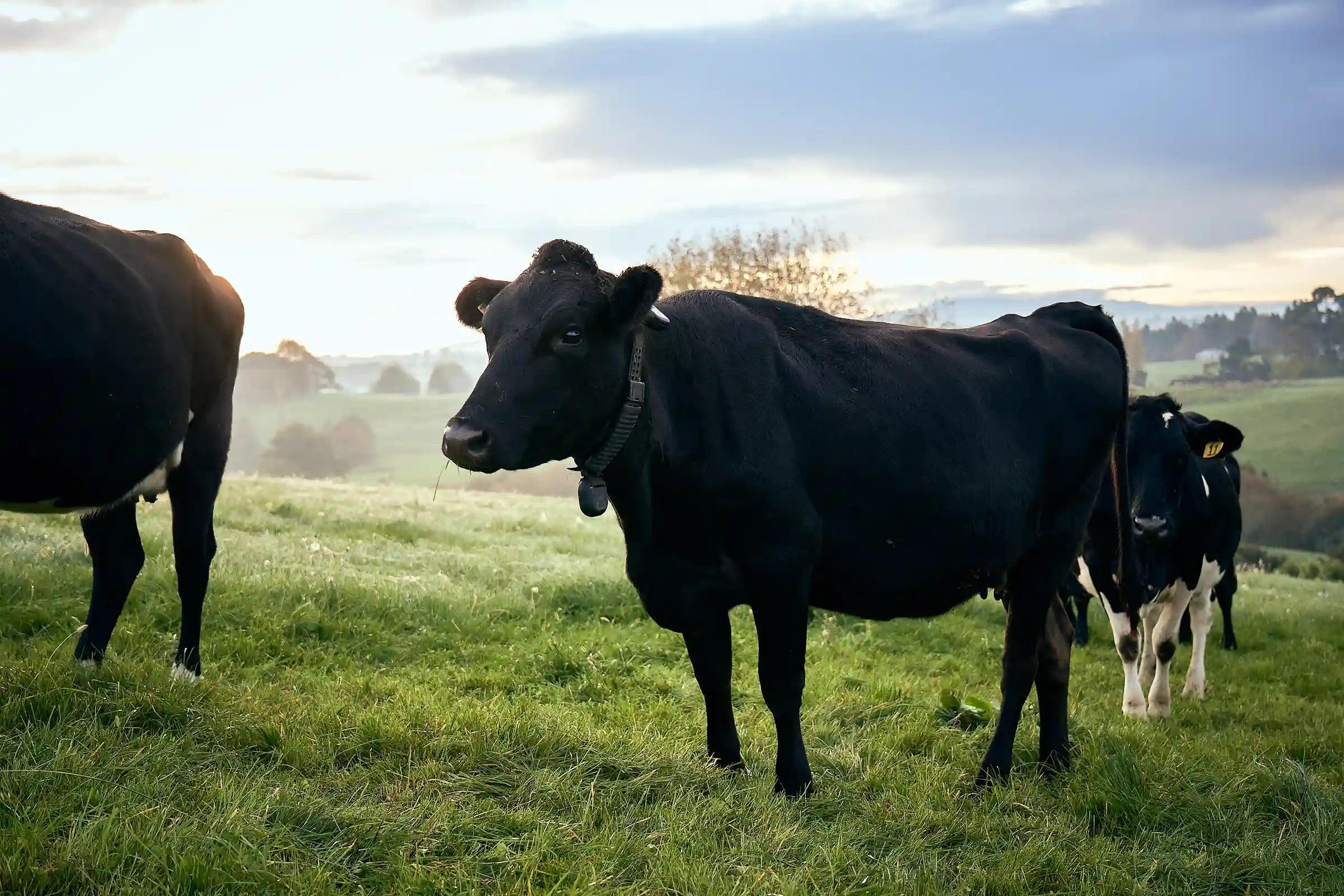
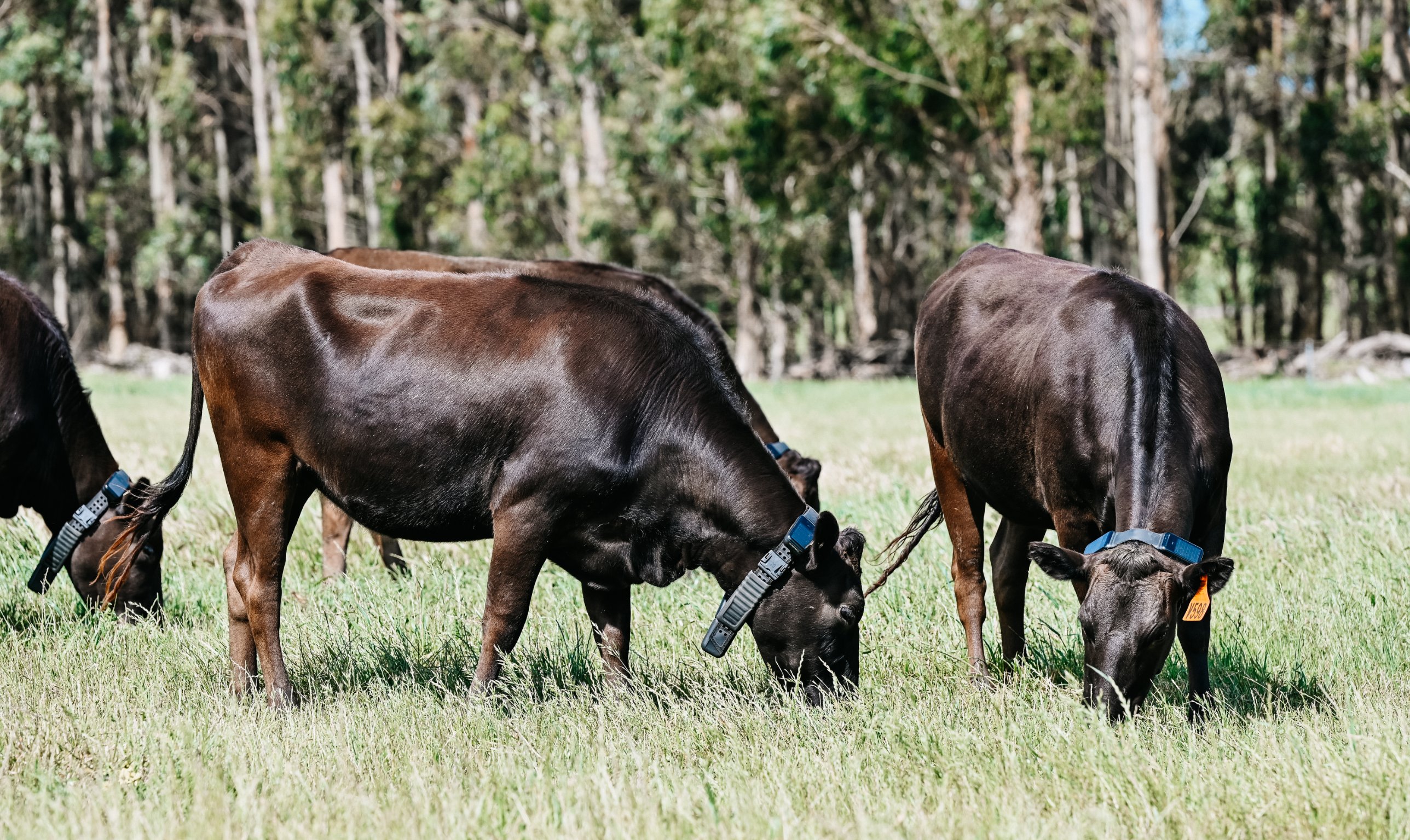
Those cold, rainy 4am starts in the dark are gone. With a tap in the app, cows will walk themselves to the dairy or the feedpad, right on the schedule you set. Each cow's collar gives off audio and vibration cues, so she knows which way to go and moves there at her own pace.
By the time you reach the dairy, the mob's already on its way or waiting for you. Draw your breaks in the app ahead of time and the day paddocks are all set up. Once the cows finish morning milking and head back to the paddock, they'll walk straight onto their next break. Learn more about it here.

Victorian farmer Ross Anderson has seen it firsthand. What surprised him wasn't just the fencing costs he was saving. It was the grazing decisions he never used to bother making.
"We never went back out and gave them another little strip because of the labour involved. Whereas now we can allocate 50% or 60%, then allocate another 20%, then allocate another 20%, and it's just done from your phone. It's done from home. It's crazy."
Three allocations instead of one, every day, with the ease of doing it all with your phone. And the difference shows.
"We're actually already seeing that the benefit is the grass being managed better, and we're actually growing more feed," Ross says. "I probably thought that we were doing a pretty good job with our pasture before. But what we're doing now is we're moving them off the area once they've grazed it, and they're not having the ability to go back there. And so they're not eating that regrowth. And so I'm actually seeing a real improvement in our pasture already, which is crazy. I think we've done three rounds, so three rotations. Imagine where we'll be in six months and even a year, because there's just so much in it and so much to learn." See below how Ross has used Halter in his first 100 days.
Operating a beef farm
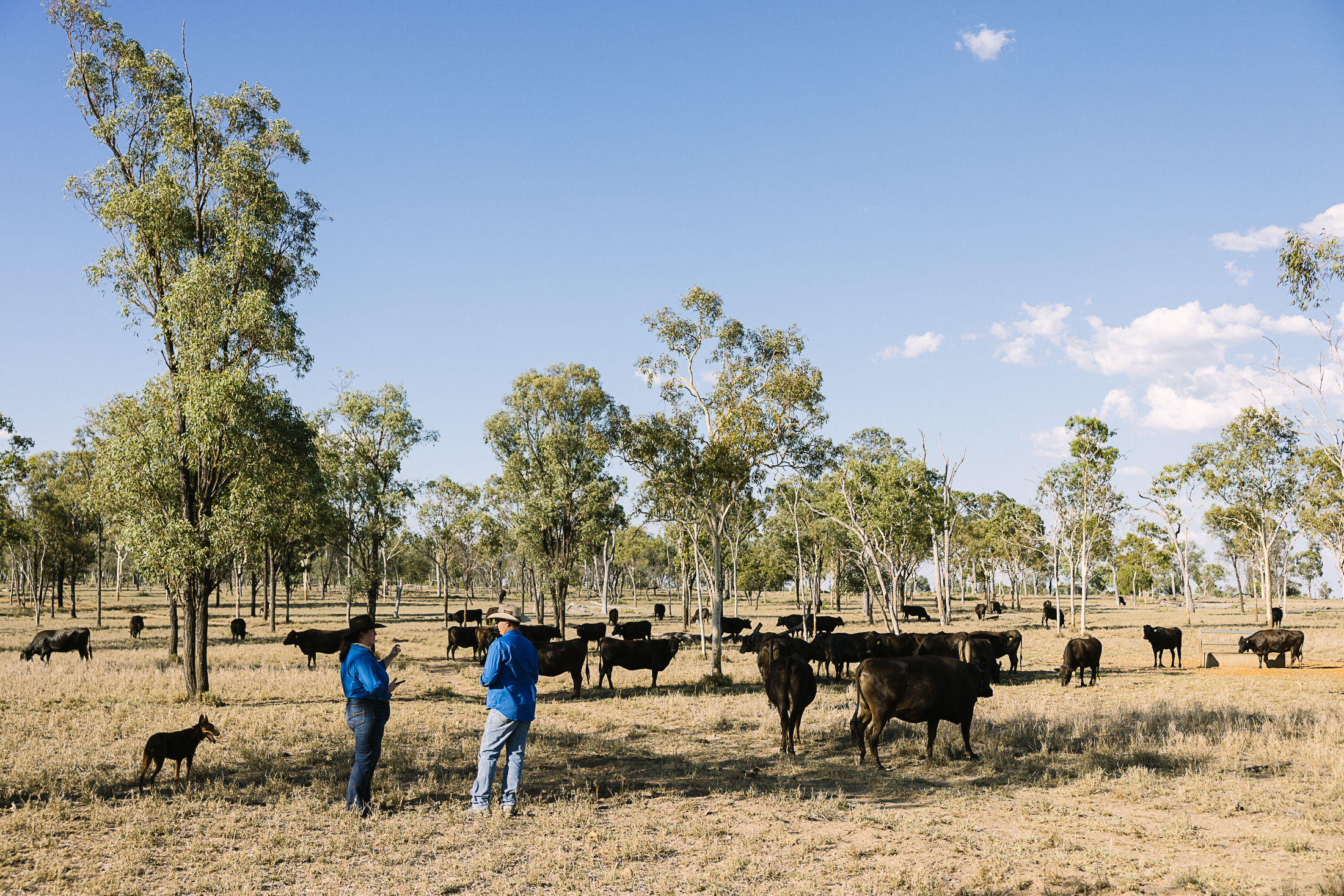
It's not just dairy farmers seeing more from their pasture. In the Central Highlands of Queensland, Australia, Bar H Grazing runs around 1,200 Wagyu breeders across roughly 8,000 hectares of steep, rocky country. Like a lot of big beef operations, not every paddock was pulling its weight. In one river paddock, the cattle would camp by the water while good feed at the far end went untouched year after year.
"It just became one of those 'it is what it is' situations," says livestock lead Kacee.
Now, with nearly 800 breeders wearing Halter collars, Bar H draws breaks across ground the cattle never used to touch, so grazing pressure spreads over the whole paddock instead of the same few hectares. Feed that used to go to waste is now being eaten, and the overgrazed areas get a chance to recover. More of the feed they grow ends up in their cattle, so the same country carries more head and they're buying in less feed to fill the gaps.
"Since we've had the collared girls in there, it's been completely different. We're carrying more cattle in that paddock than we ever have."
Grazing country the cattle used to avoid has Bar H on track to lift carrying capacity by up to 20% over the long term. It's also changed how the team looks at the farm. "Prior to Halter, there'd be parts of a paddock you'd just accept you had to sacrifice. With Halter, you're constantly thinking, no, I've got options now." See below how Bar H is using Halter across their country. Read more about it here.
That matters even more in WA, where a short growing season means every week of pasture counts. Halter's a full pasture management tool, built to help you get the most out of your property. Split your paddocks into as many breaks as you need, then move the herd through them on your schedule. Pasture gets grazed at exactly the right stage, not trampled, not left to get away, and not wasted. That means more homegrown feed off the same hectares, and it can help extend your grazing season.
A full system, ready for WA farms
WA farmers are being asked to do more with less, and a tight labour market isn't making that any easier. Bringing cows in for milking, shifting breaks, checking for heats, moving mobs between paddocks: it all eats into hours of hands-on time every day. Hours that are hard to cover when good staff are scarce, and even harder to keep on isolated properties, often a long way from the nearest town.
For a state with big properties, tight labour, and a short growing season, a system that handles grazing, cow movement, and herd health all at once isn't a nice-to-have. It's what WA farms need. And because Halter runs on your cows and paddocks rather than fixed infrastructure, it's built to hold up on the isolated, spread-out properties common across the South West.
"Farmers in WA are super progressive naturally," says Conor Gleeson, Halter's Regional Sales Manager for WA. "You have to be quite independent, being a little more isolated than the herds on the east coast. Our herds are often larger than the national average-sized herd and graze with a shorter growing season, so it makes it more important to maximise utilisation during that growing window."
If you're ready to learn more about Halter, stay in touch with us here.


