

%20(1).jpg)
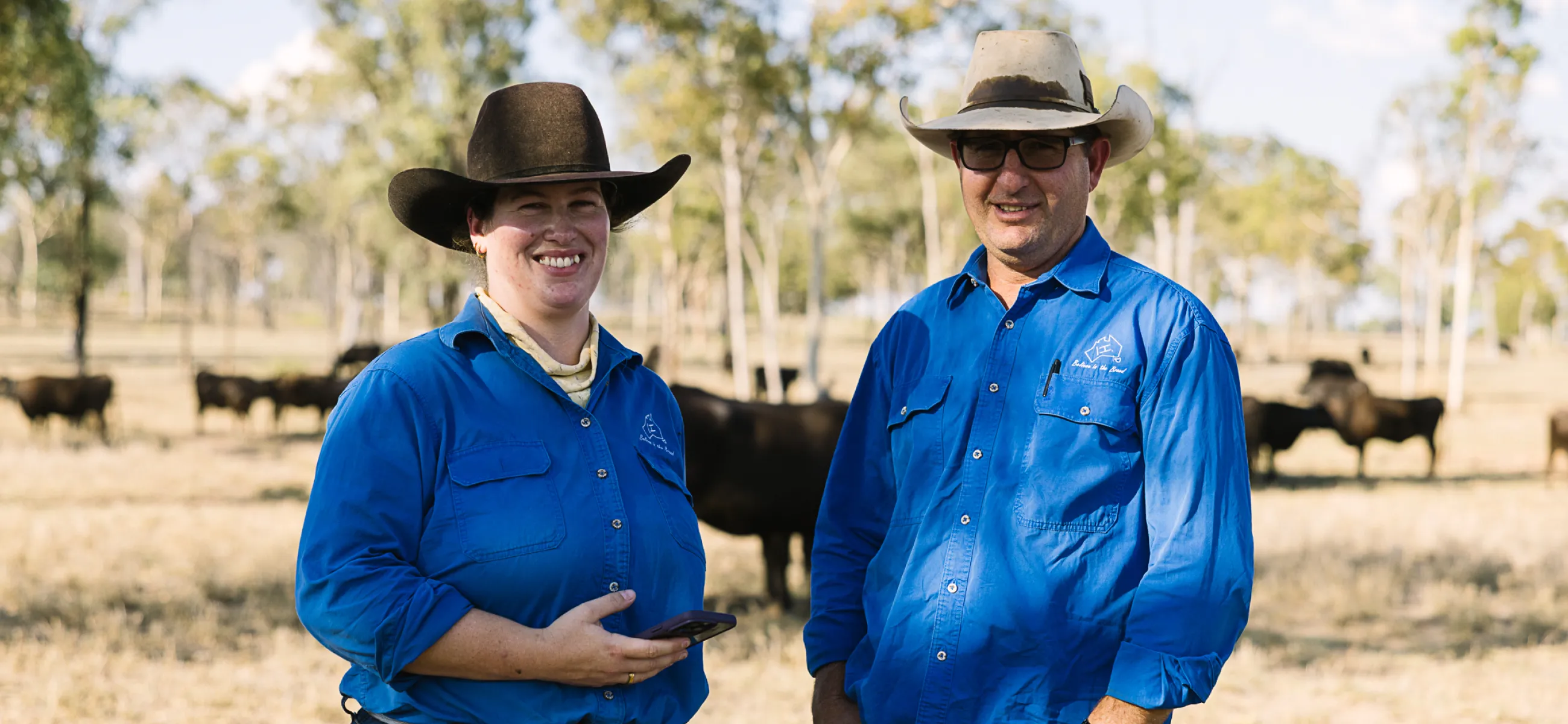
Every morning, Tom Coggan wakes up and moves a thousand cows before he gets out of bed.
He farms with his sister Emily and their parents, Phillip and Cindy, on their Western Downs property in southern Queensland. The Coggans have run this same country since 1937, more than 90 years now. Coggan Farms covers more than 65,000 acres near Meandarra, running cattle, sheep and crops. A lot of the grazing country is extensive, spread across creeks and a long way from the house.
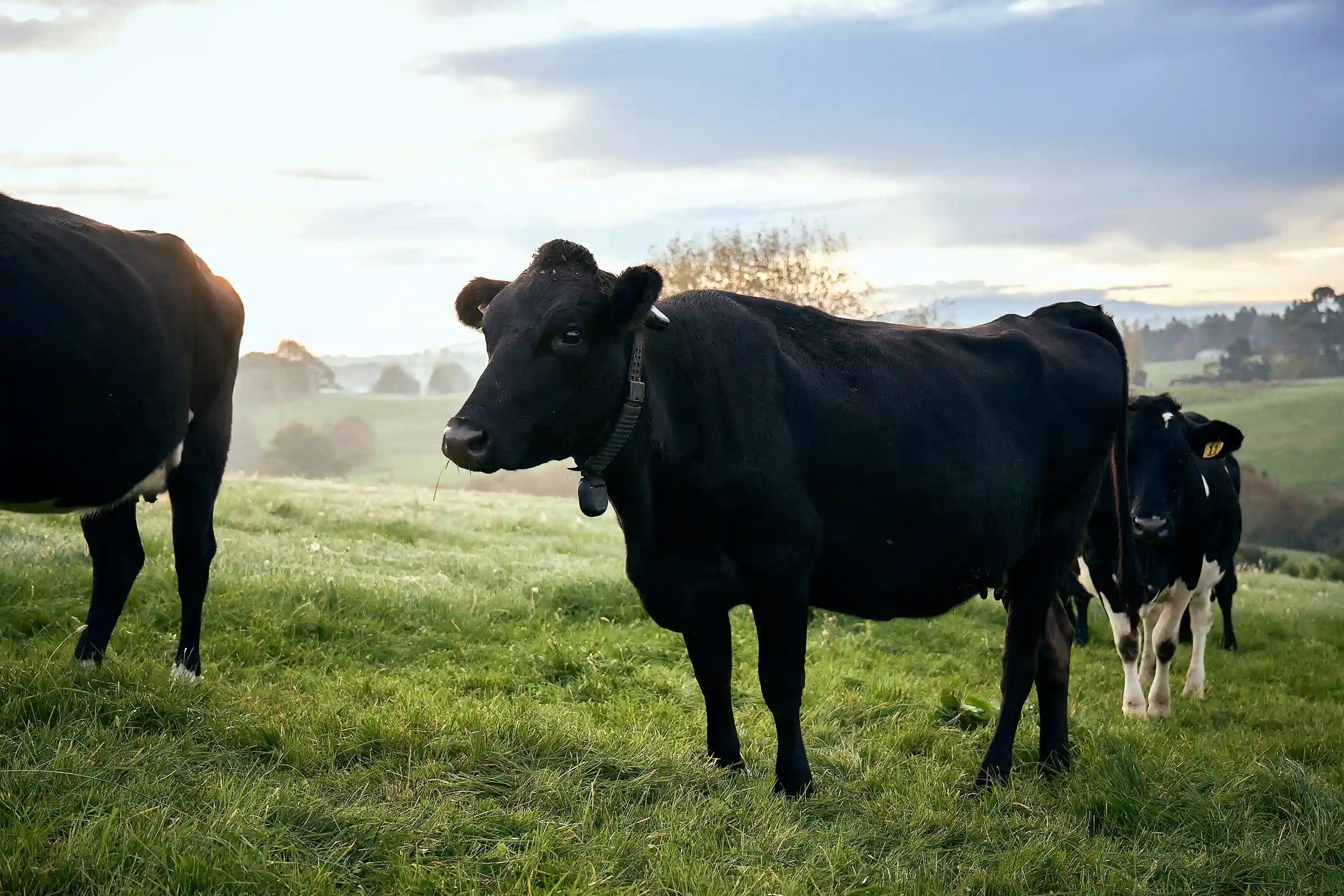
Three years ago, the Coggans were the first in mainland Australia to collar their herd with Halter. A family willing to back a new technology on their own land, they became pioneers in an area where there were no neighbours to call for advice or or others down the road who had tried it first.
Three years on, their breeder numbers tell the story of what backing that bet has done for the business.
Land was the problem, not fencing
The Coggans wanted more cows. That was it.
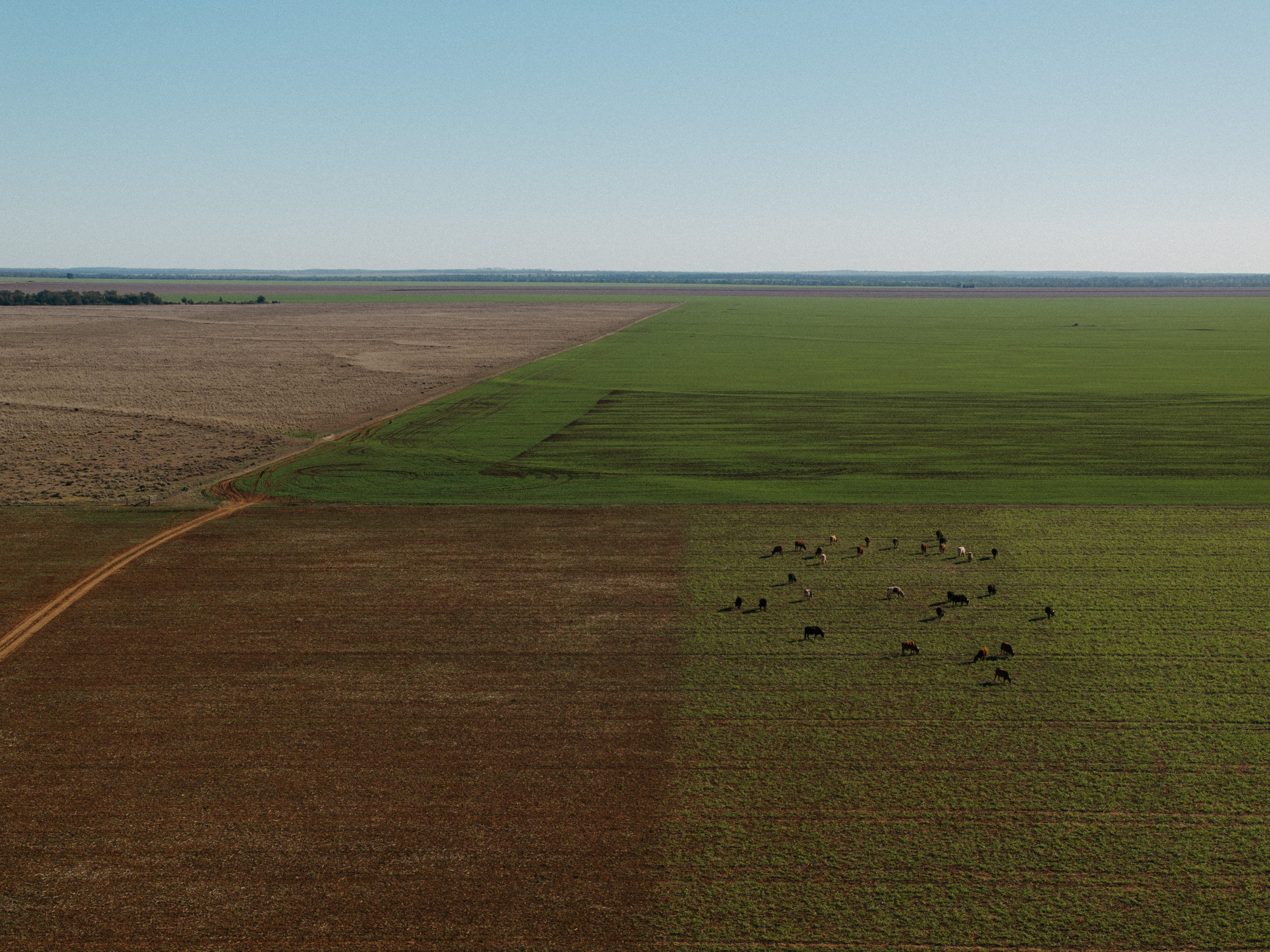
Growing a breeding herd usually means buying more country at a price that keeps climbing, or getting more out of what you've already got. The Coggans knew there was production sitting in their own paddocks they weren't touching. Creek country they couldn't hold cattle on safely. Corners that never got grazed evenly. Feed that grew, went to seed, and did nothing for the business.
They didn't know virtual fencing was the answer. They just knew there had to be one.
"In Australia and all over the world, agricultural land is not becoming any cheaper, and the expectation is actually more productivity all the time," Emily says. "So we saw, really overwhelmingly, Halter as a piece of tech that would enable us to do more with what we have, which I think every bank manager in the world is going to be happy with."
Not more land. More out of the land. And Halter was the tool that got them there.
Going first, on their own country
The Coggans started with 200 Halter collars across about 1,000 hectares, a deliberately small slice of the farm to test something this new. Phillip was skeptical at first. He watched the collars work for about three hours, then bought another 200. Within a few months, they were running 800 head on Halter.
Being first meant the grazing shift was bigger than most. The Coggans had never cell grazed, let alone moved cattle several times a week, and Halter was new to Australia so the Coggans and the Halter team worked it out together, the change from New Zealand country to Australian country, on Coggan land, and scaled up to 2,000 hectares of Halter-managed grazing.
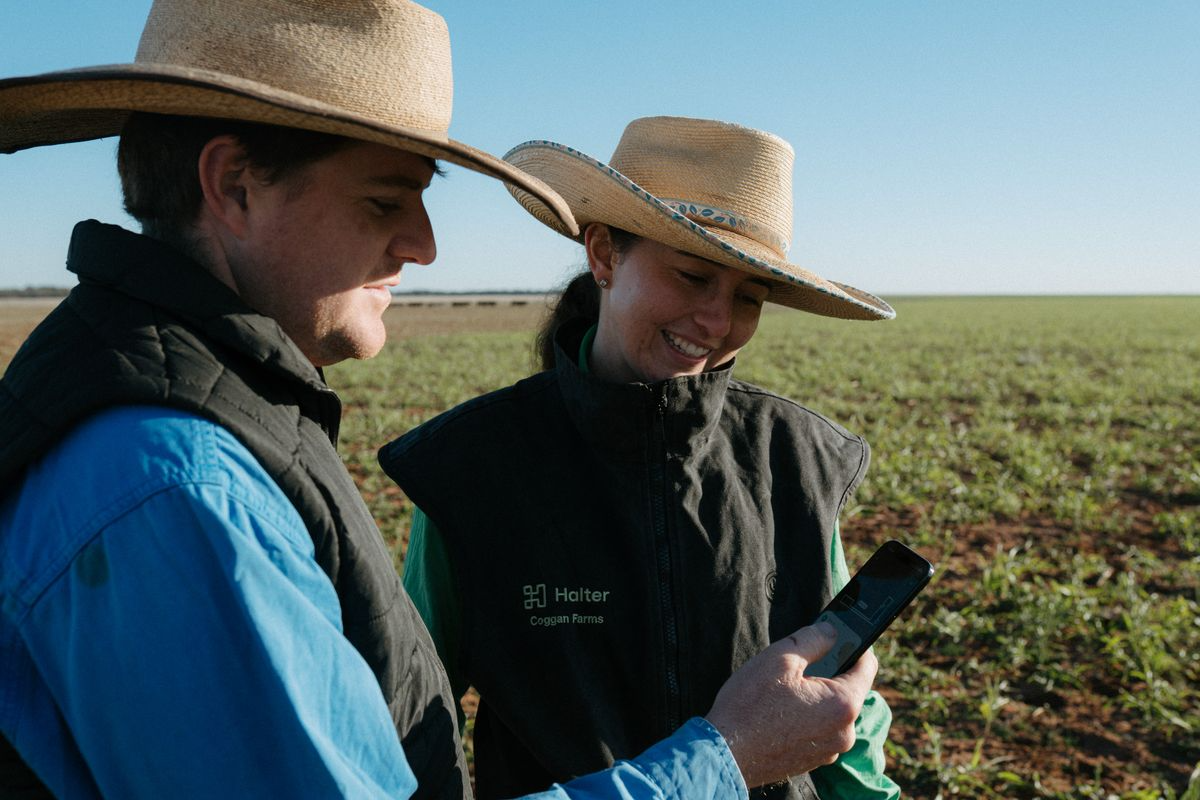
They took it knowing the product was new. That's exactly why Halter works the way it does for beef producers across Australia today. The Coggans didn't just adopt Halter in Australia, they helped build it.
Breeder production up around 30%
More control over grazing through Halter means more feed harvested off the same country. More feed means more cows. More cows means more calves, and more weaners coming through at the end of it.
"We can comfortably say that we've uplifted our breeder production numbers by about 30%," Emily says. "I just don't think that would have been possible without the use of the technology."
The unlock behind that number is country the Coggans simply couldn't graze before Halter, especially across their creeks. Fencing that ground properly is expensive, and half the time pointless, because the next flood takes it out. A Halter break doesn't wash away.
More choices when it's dry
Southern Queensland dries off, and a dry year used to hand the Coggans a short list of bad options.
With Halter, they can shift cattle onto feed that's still standing, bring the herd closer to home for supplementary feeding, or open up cultivation country that would otherwise sit there generating nothing.
"Halter just gives you more choices, really," Emily says. "If it's dry and the alternative is destocking, or using some of your cultivation country to keep those animals alive and healthy through a drier time, then we're absolutely going to take that every day."
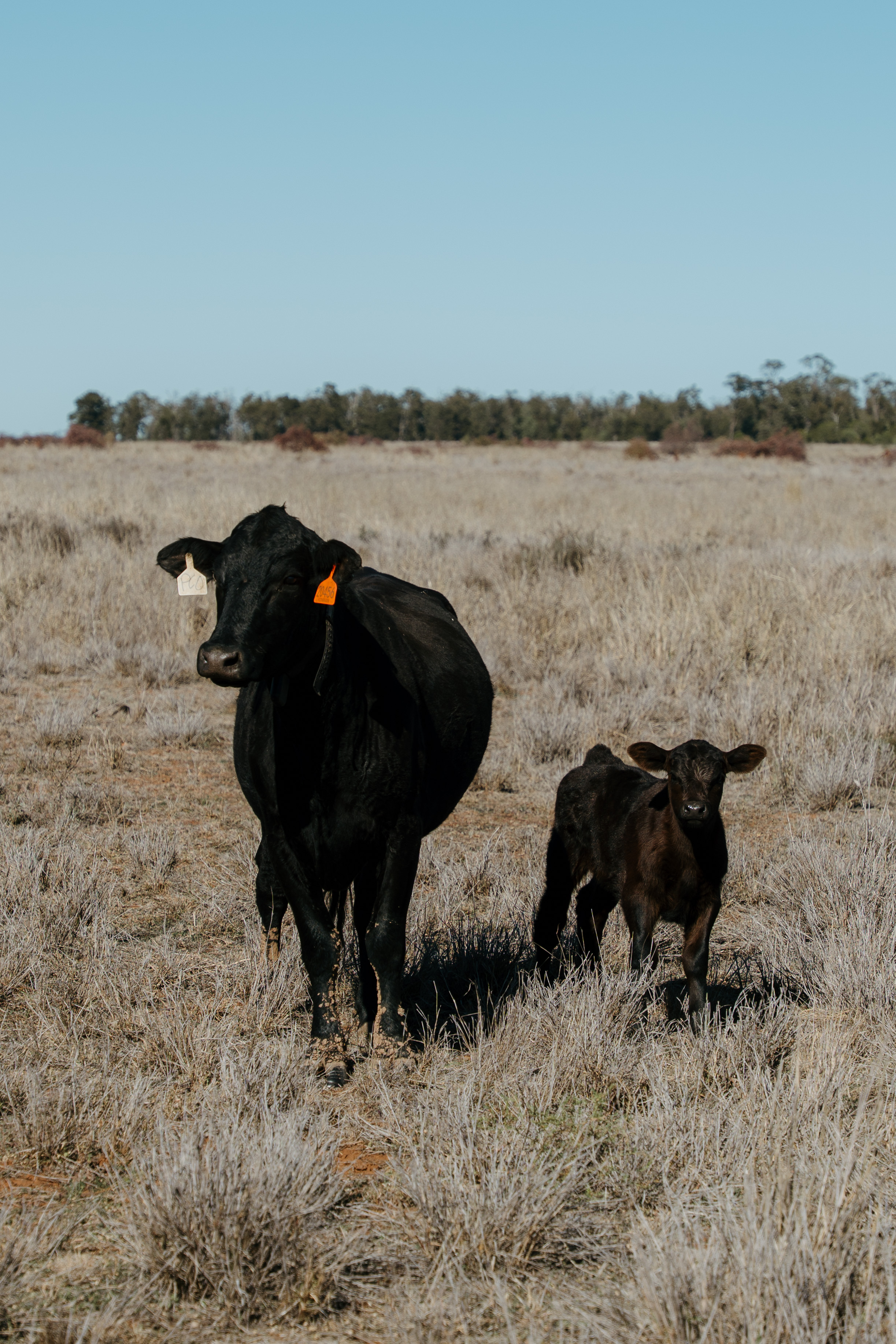
Mustering has changed too. What used to mean cattle in the yards for a week, moved through in stages with the gates shut behind them, is now a job for two people with Halter doing the heavy lifting. Not only do they know where every animal is, they can have the mob sitting right next to the yards before they start.
It has to stack up on a spreadsheet
Nothing stays part of the Coggan operation unless it stacks up.
"Emily and I try to be big numbers people," Tom says. "If it doesn't make sense on a spreadsheet, sometimes you probably shouldn't do it."
Halter turned grazing into something the Coggans can actually cost. They allocate a set number of square metres per head per day through the app, so feed going into the herd is a decision instead of an estimate.
"We know exactly what it's costing us," Tom says. "There's no hidden costs that you can't put on a cost plan." Doing the same job with steel and wire would have run into the hundreds of thousands of dollars a year, and it still wouldn't let the Coggans change a break overnight from their phone.
A reason people want to work here
Here's the benefit the Coggans didn't plan for. They're a long way from a major centre, and holding good staff is hard. Running Halter, the newest gear in the country, has become a reason people want to work at Coggan Farms.
"If you go and try and farm the same way we did 30 years ago, you're probably not still farming," Tom says. "It's definitely like a draw card for us. It's one of the things that people want to learn when they do come and join the team at Coggan Farms."
Three years in, and three years after being the first beef farm in mainland Australia to run Halter, Emily's take on it is pretty simple.
"I don't know of any other technology that allows you to interact with livestock that way."
Curious what Halter could do on your place? Get in touch to chat with your local rep. We're here when you're ready.

.jpg)