

.jpg)
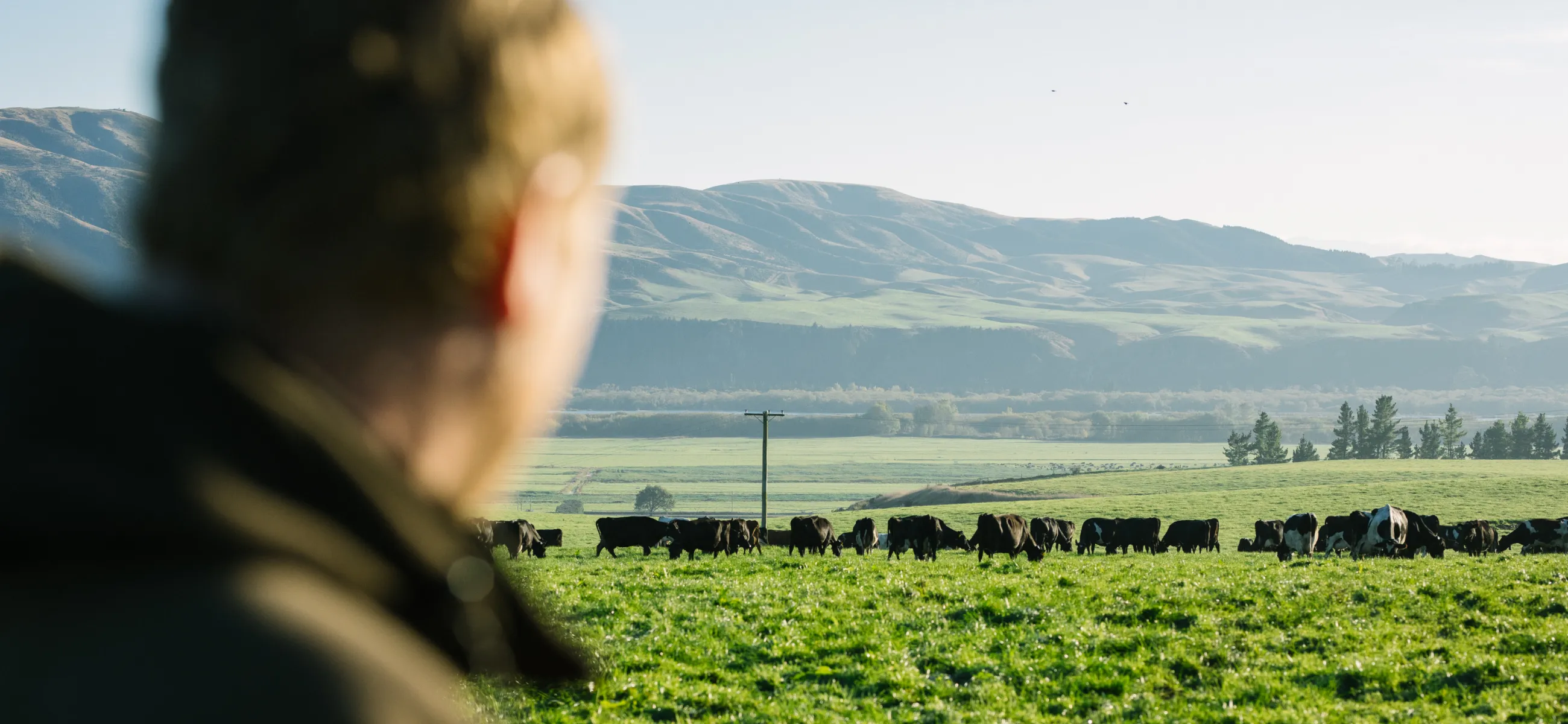
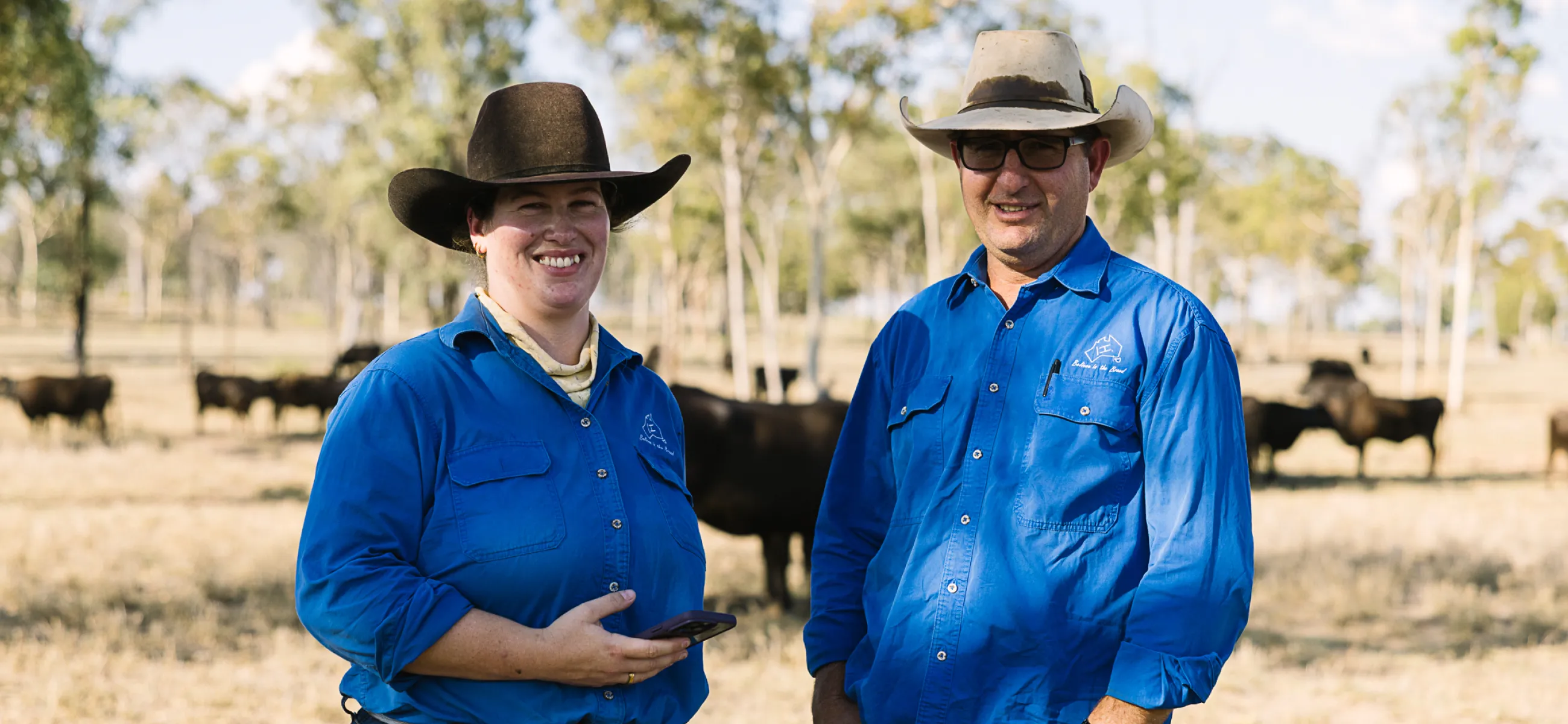
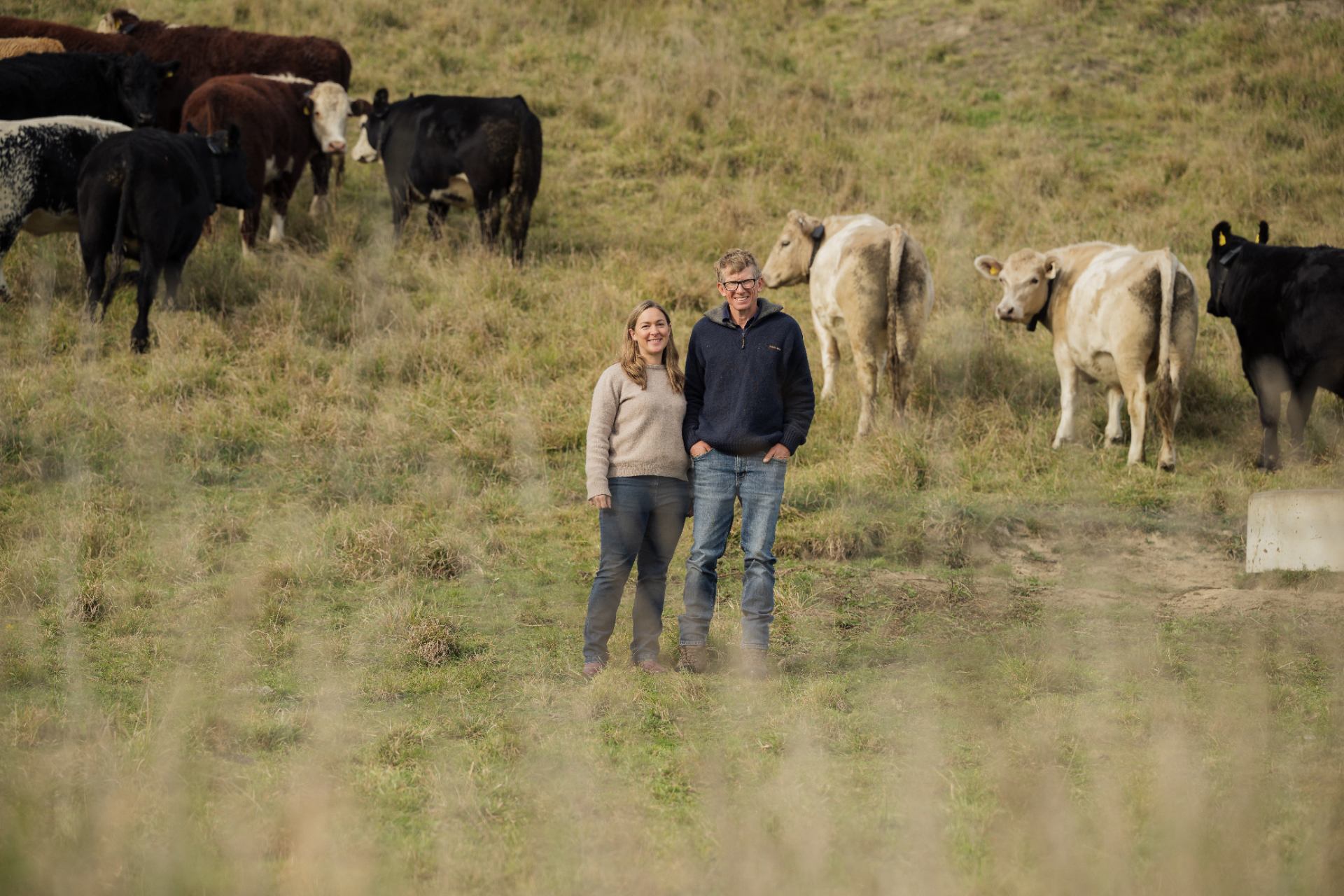
When Mark and Joanne Stevenson took full ownership of The Gums, a 920ha sheep and beef property in Cheviot, North Canterbury, they had a clear goal: grow the business into what it needed to be for the next 20 years and future generations.
The sheep operation was strong. But historically, their beef trading system had always played second fiddle.
"In the past, cattle were pretty much the poor cousin to the sheep. With Halter, we've been able to make them a priority."
Why they applied
Mark and Joanne had been watching Halter from a distance for a while, following early adopters, taking note. When the 1 one year free competition came up, the timing felt right.
Multi-generational farmer Mark, and Chicago-born Joanne, farm The Gums, a mixture of steep hill country and flat blocks, in North Canterbury. After a few years running the extensive operation, they were ready to push forward with new ways to farm the way they'd always wanted to. The competition gave them a reason to sit down and properly think through what the farm could look like.
"We saw this as a way to really ramp the operation up, to grow it to what it would need to be to be successful over the next 20 years while it's our chance to have a crack at it."
.jpg)
Cattle: from poor cousin to co-priority
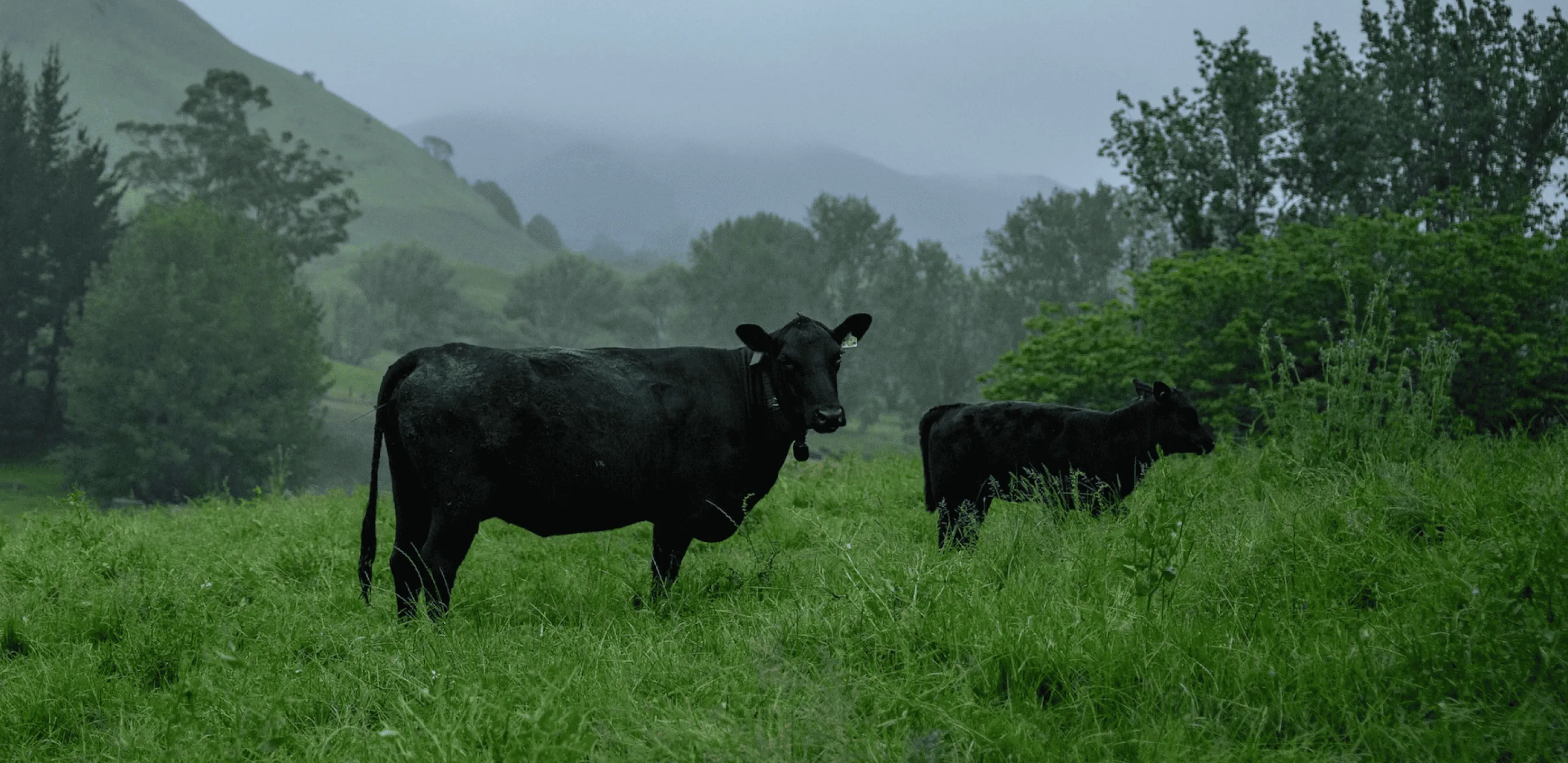
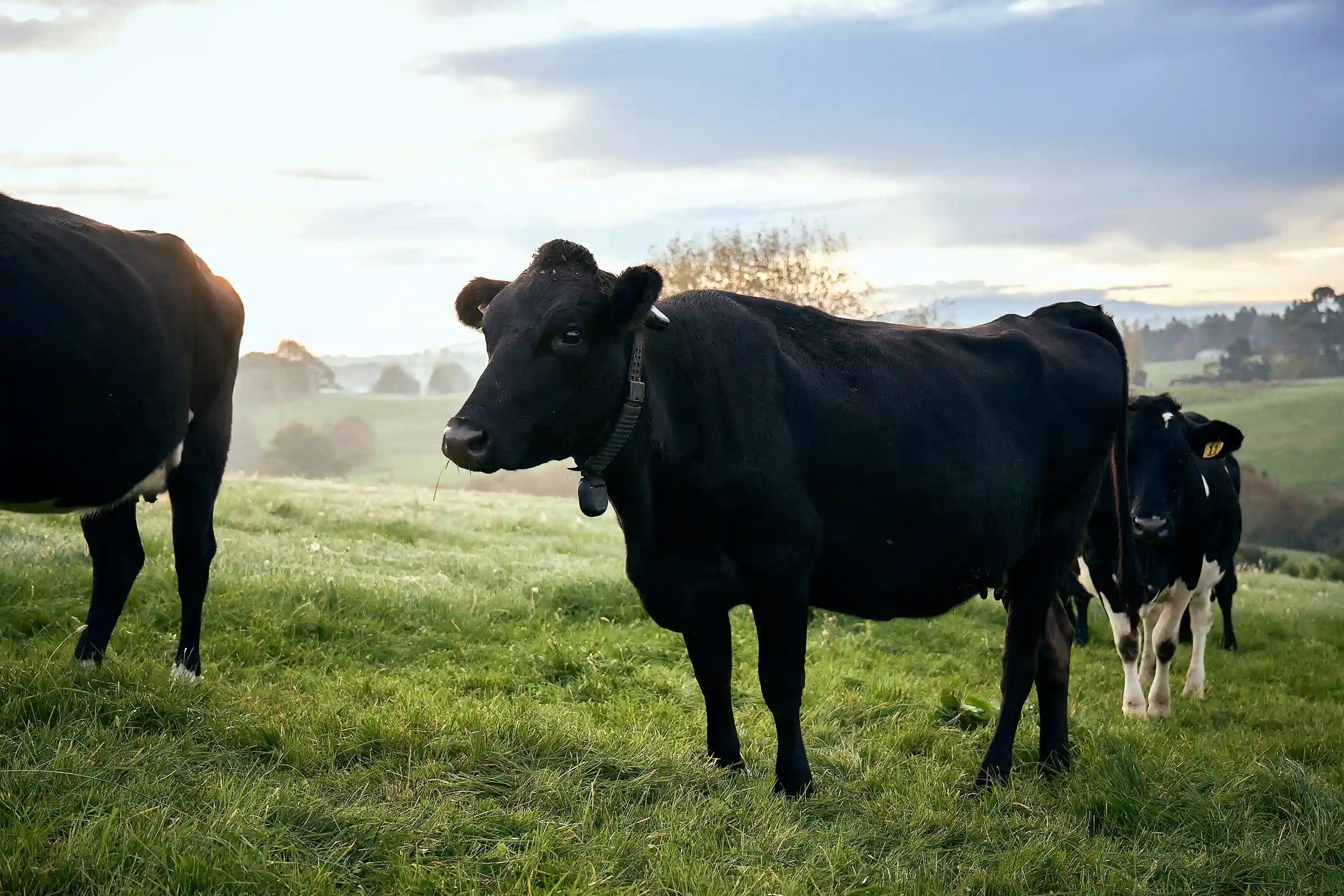
At The Gums, sheep have always carried the business. Cattle had typically been managed around that, placed in bigger blocks and grazed loosely, focusing on trading cattle as quickly as possible.
Mark's biggest concern going in was whether intensifying the cattle would come at the expense of the sheep. More cattle grazing more aggressively across the same land, competing for feed ahead of the ewes.
"Are they going to compete with the sheep too much? That was the concern."
What they found was the opposite. "It's way more complementary than even we thought it could be. We've been able to grow more grass, and there's been more feed for everyone."
Before Halter, cattle went into big blocks for three to four weeks at a stretch, with little ability to target specific areas. Now they graze intensively, including areas of the farm that had historically been bypassed.
Increasing scale without increasing land size
"We're trying to increase our scale without increasing our land size. It's about getting what we can out of it while looking after that resource."
A big part of that is unlocking rougher and hard to access areas on hill country. On steep blocks that previously required a horse muster to check cattle, Halter gives Mark and Joanne a real-time view of exactly where every animal is.
"We'd muster a 130-hectare block on horses and see some of those cattle. Now we know exactly where they are."
That visibility has changed how they use those blocks, allowing them to move cattle intentionally through harder country and make better decisions based on what's actually happening on the ground. With the launch of Beef Pro, Mark and Joanne are using the pasture data now available to sharpen the farm's feed budgeting, an area they see as a real opportunity to improve.
A different kind of confidence
The Stevensons recently returned from a full family trip back to Chicago to visit Joanne’s family, leaving the full farm operation in charge with their Shepherd, Emma.
"It's the first time we've been away as a family overseas together in nine years and it was incredible."
Before they left, they spent time planning the Halter shifts and mapping where stock would be going, so their shepherd, Emma, could execute the plan confidently while they were away.
"I actually didn't want to be thinking about it while I was away. So I logged out of the Halter app at the airport and said if you need me, call me, but it's all yours."
What's next for The Gums
Having recently upgraded with the recent release of Halter Beef Pro, Mark and Joanne are now using the data to plan their next round of infrastructure investment.
The biggest one is water. Halter has made it clearer where cattle want to be on the hill country and where the current setup is limiting them. "We're looking to invest quite heavily in a water reticulation system for that hill country. Halter has really opened up our eyes to what the potential is if we get the water in the right place, in the right amounts."
As for what comes after one year free? For Mark, the answer is straightforward. With infrastructure investment planned around the system and a cattle enterprise that's still growing into its potential, walking away isn't part of the thinking.
"The future looks great. It's positive. We've got the opportunity to grow this business, to utilise this land fully and increase our scale without increasing our land size."
For anyone considering applying for the next one year free, his advice is to think beyond the technology itself.
"Step back and think, what could our farm business be? There are massive opportunities, but it's really about how you utilise Halter to make the most of your land, your people, and your livestock to move your business forward."