United States of America Flag
Looks like you’re in the United States.
For content and features tailored to the US, change to our US site.
New Zealand flag
Looks like you’re in
New Zealand.
For content and features tailored to New Zealand, change to our NZ site.
Australia Flag
Looks like you’re in Australia.
For content and features tailored to Australia, change to our AU site.
Globe icon
Looks like you’re outside our main regions.
Halter is growing fast. While we currently support New Zealand, Australia, and the US, you can still learn more about what we do worldwide.

Halter’s Animal Welfare Charter

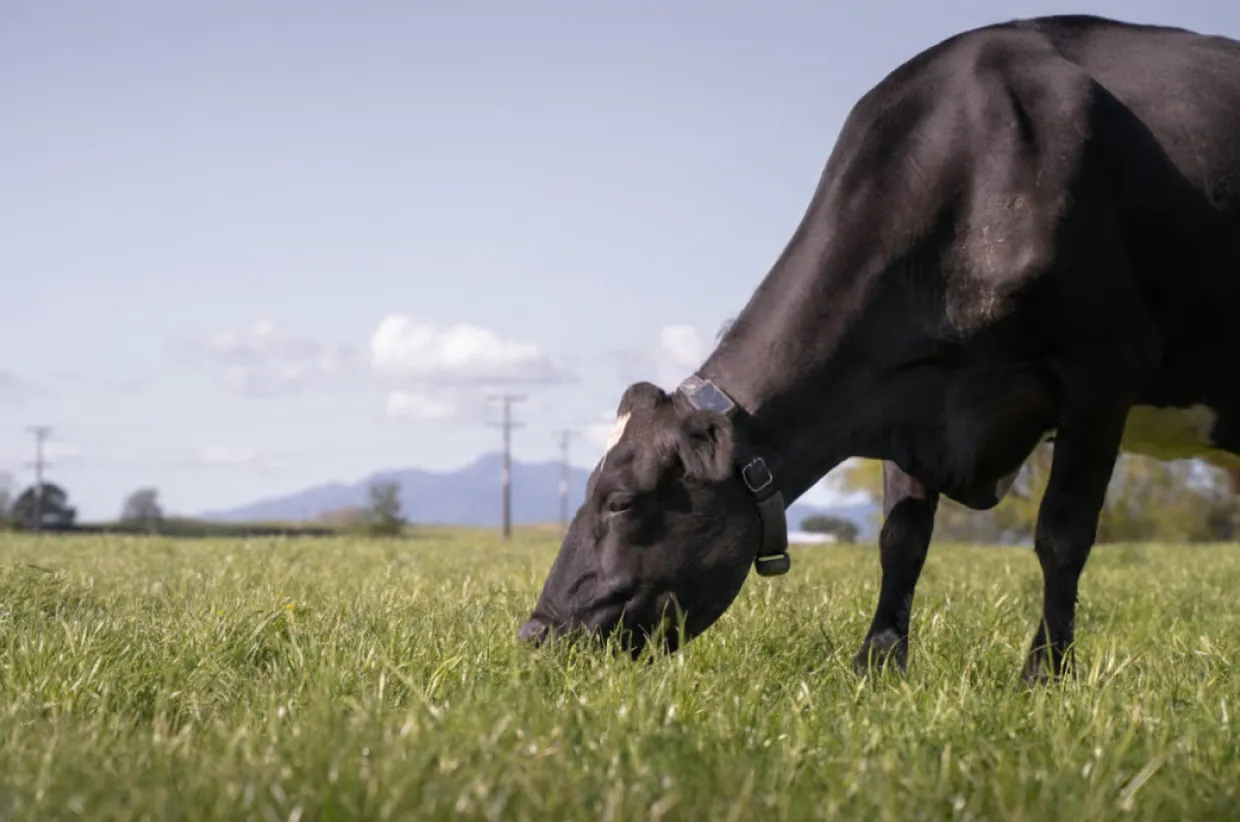
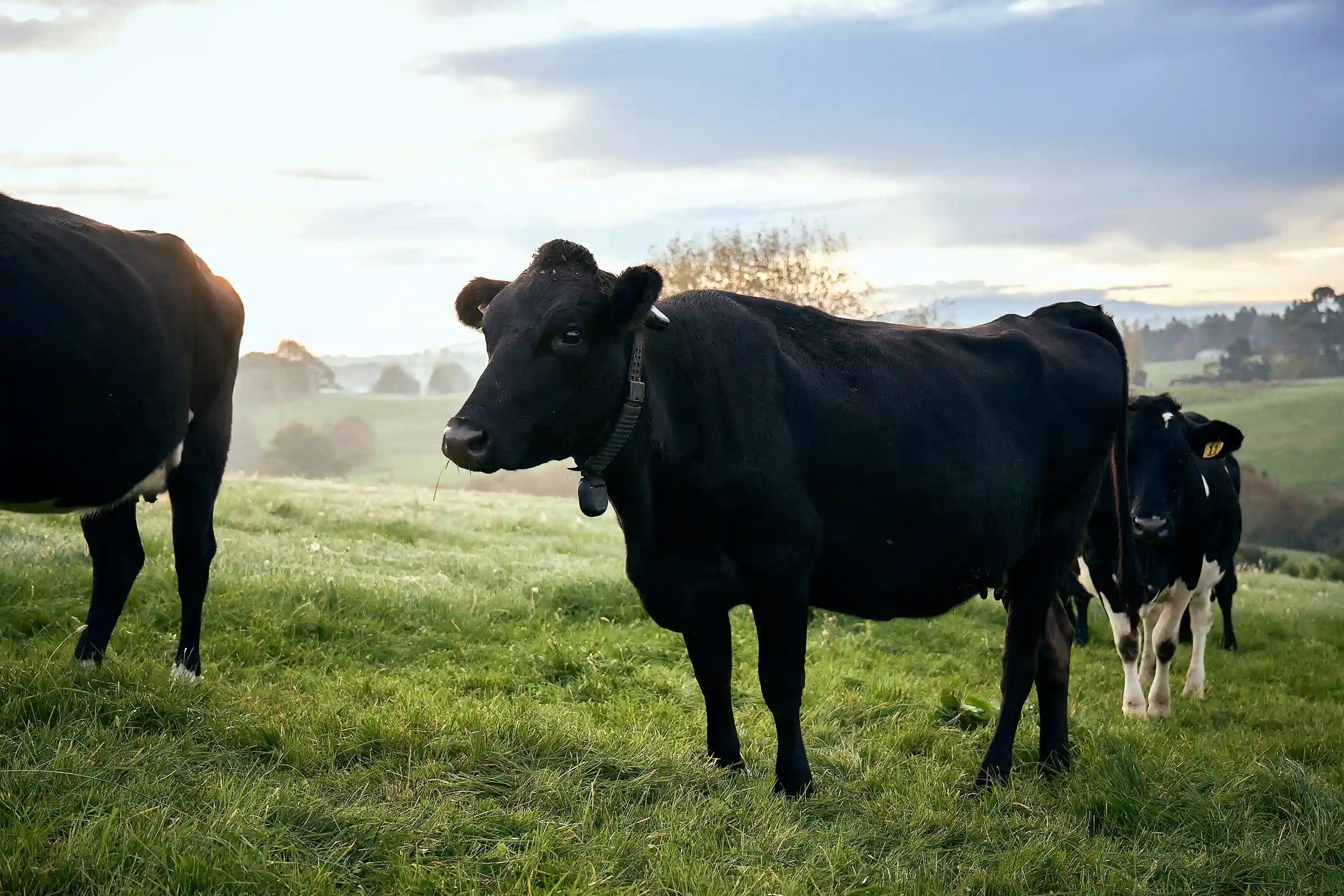
Close-up of a dairy cow grazing in a lush pasture on a sunny day, wearing a collar with a sensor; mountains and power lines are visible in the distance under a clear sky.

Introduction

Cows are the heart of a cattle farm. Happy and healthy cows are productive cows. Farmers take care in managing their cows to produce food that feeds society, and are the backbone of economies throughout the world. The future of food production hinges on questions like: How do we feed the world’s growing population without compromising our natural resources? At Halter, our mission is to enable farmers to run more productive and sustainable farms while caring for their animals and the environment.

Every day, farmers face mounting challenges such as increasing productivity demands, rising input costs, labour shortages, animal health and welfare priorities, and environmental and compliance pressures. Halter has built a farm management system that helps farmers to overcome these challenges. At the core of the system are virtual fencing and animal guidance technologies. In the years ahead, technologies like Halter will play an increasingly important role in supporting farmers to care for their animals.

Our Animal Welfare Charter explains how the Halter system works, Halter’s commitment to protecting animal welfare, our partnership with leading veterinarians and animal welfare experts, and a summary of studies in the field of virtual fencing and animal welfare. This information was first published in September 2023, updated periodically, and will continue to evolve as our system evolves.

For anyone interested in seeing the Halter system in action, please contact us. We conduct Open Days on Halter farms in regions throughout the markets we operate in, and anyone is welcome to attend and see the system in action.

Halter in a nutshell

  • The Halter system includes a collar per cow, a Halter app on the farmer’s phone, and a communications network on each farm.
  • Cows learn over a short training period to respond to two primary cues - sound and vibration. Through learning, these cues become predictable and controllable for cows. The training takes approximately 7 days for dairy cows, and 10 days for beef cattle.
  • Sound cues guide animals left and right if they cross a virtual boundary. Vibration cues encourage animals to walk in the correct direction.
  • The collar also has a secondary cue - a low-energy electric pulse - used to reinforce the primary cues if cows choose to ignore them. The pulse is mainly used during the training period, and thereafter only when animals choose to ignore the guidance cues. It is significantly weaker in energy than the ‘shock’ from a standard electric fence.
  • Once trained, the guidance cues that a typical cow receives each day are almost entirely sound and vibration. These cues typically make up only 1.6 minutes per day per cow, so for over 99% of the day the typical cow does not experience any cues.
  • Halter follows a set of standards and safeguards to ensure that animal welfare is protected when training, containing and guiding animals with virtual fencing technology (see Section 3).
  • Users can continuously monitor their animals’ location and behaviour (dairy and beef cattle), while Halter can alert users to dairy cows potentially showing signs of poor health and dairy cows on heat.
  • Our team works closely with an independent Veterinary Advisory Board composed of six leading veterinarians in dairy husbandry, production and animal welfare who advise our team across a range of areas.
  • Halter also partners with leading animal behaviour experts from the Tasmanian Industry of Agriculture on research studies focused on pastoral dairy cows and virtual fencing technology.
  • Halter has one of the largest datasets on cow behaviour in the world, with hundreds of millions of cow-days of data. Halter uses this data to do extensive research on animal behaviour, health and welfare. 
¹ Tasmanian Institute of Agriculture - ‘Managing dairy cows with Halter virtual fencing technology’, Dr Megan Verdon (2024)
Note: these videos depict dairy cows in typical dairy farm scenarios. Beef animals are guided using passive shifting, not active shifting.
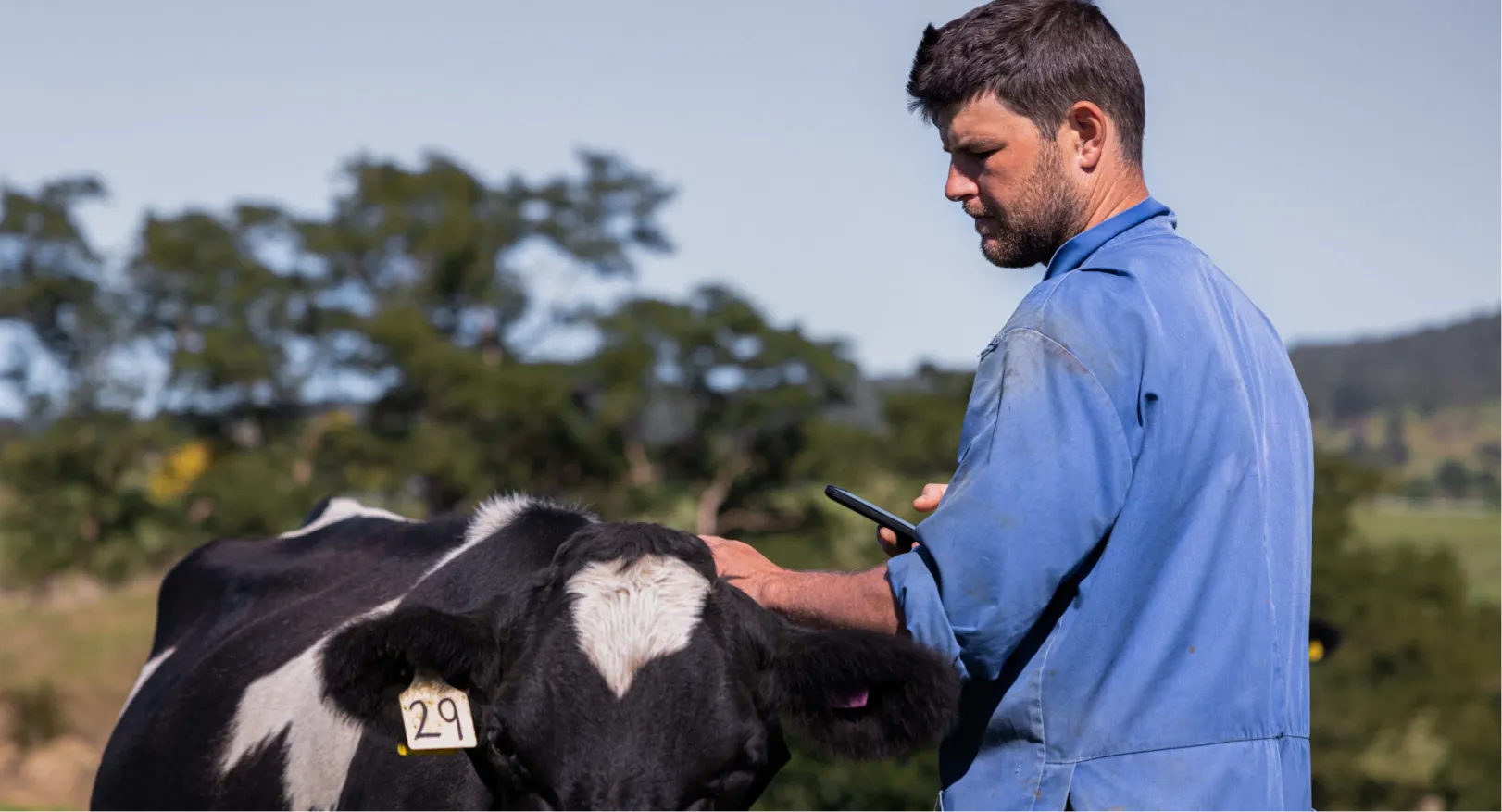
Farmer in a blue work uniform interacting with a dairy cow marked with a number tag, holding a mobile device in one hand while gently checking Halter collar on cow with the other.

System overview

In 2016, Halter was founded on our vision to unlock the connection between humans and animals. Animal welfare is central to our founding, our values and our system. It’s central to the decisions we make which advance our system.
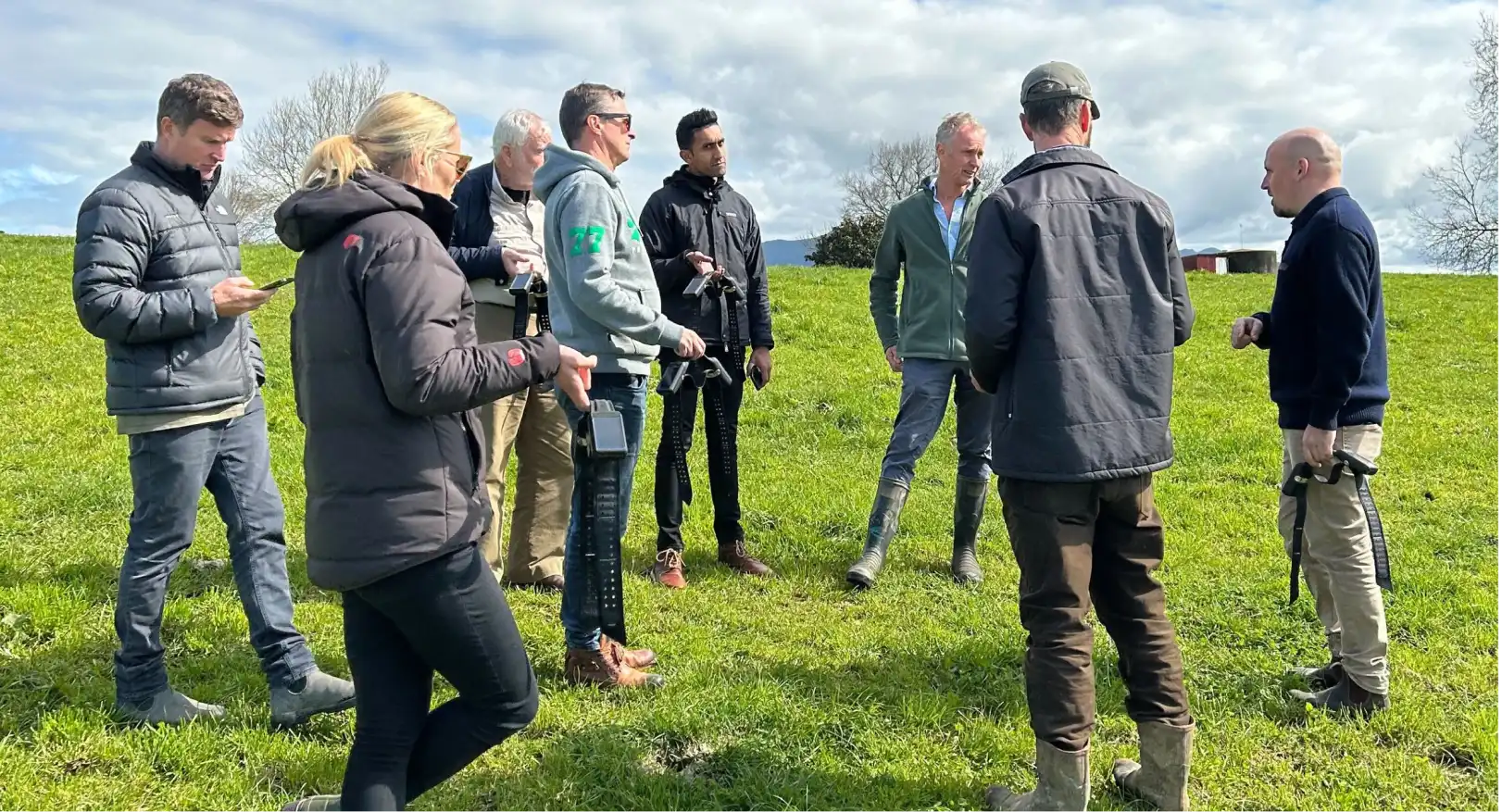
Group of vets standing on a grassy hill in outdoor jackets and boots, holding devices and livestock gear, engaged in discussion under a partly cloudy sky.

Veterinary Advisory Board

Halter’s independent Veterinary Advisory Board includes six leading large animal veterinarians in New Zealand who directly advise our product teams. This collaboration draws on their deep industry knowledge and expertise to influence the direction of Halter’s product, which benefits the cows managed with Halter.
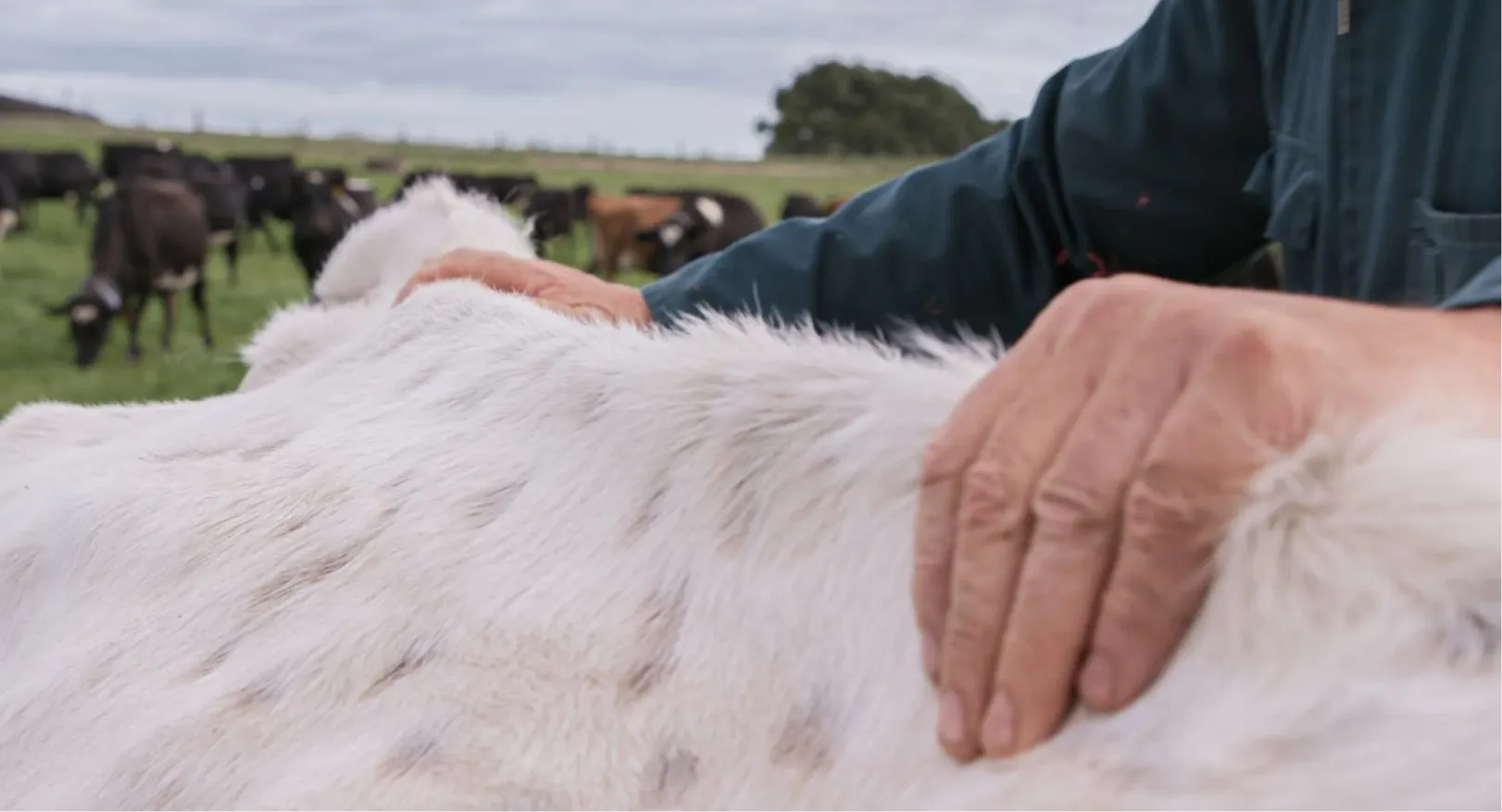
Close-up of a farmer's hands resting gently on the back of a white cow, with a herd of black cows grazing in the blurry background on a grassy field.

Animal Welfare Charter

Halter has trained more dairy cows with virtual fencing technology than any other wearable in the market. Over seven years we have developed and refined our technology and gained deep expertise in training and guiding animals while protecting their welfare.
Farmer standing among a group of dairy cows in a green pasture, wearing a black shirt and shorts with sunglasses; tall pine trees and distant mountains frame the background.

Animal health benefits

A healthy cow is a happy and productive cow. Halter improves a farmer's ability to manage animal health in ways conventional farming doesn't allow.
Logo for the Tasmanian Institute of Agriculture (TIA), part of the University of Tasmania. The design features bold black text and a geometric abstract icon made of purple and green shapes.

Research into virtual fencing

Internally, our team does continuous extensive research based on millions of days of cow behaviour in order to advance our system and improve animal welfare outcomes.
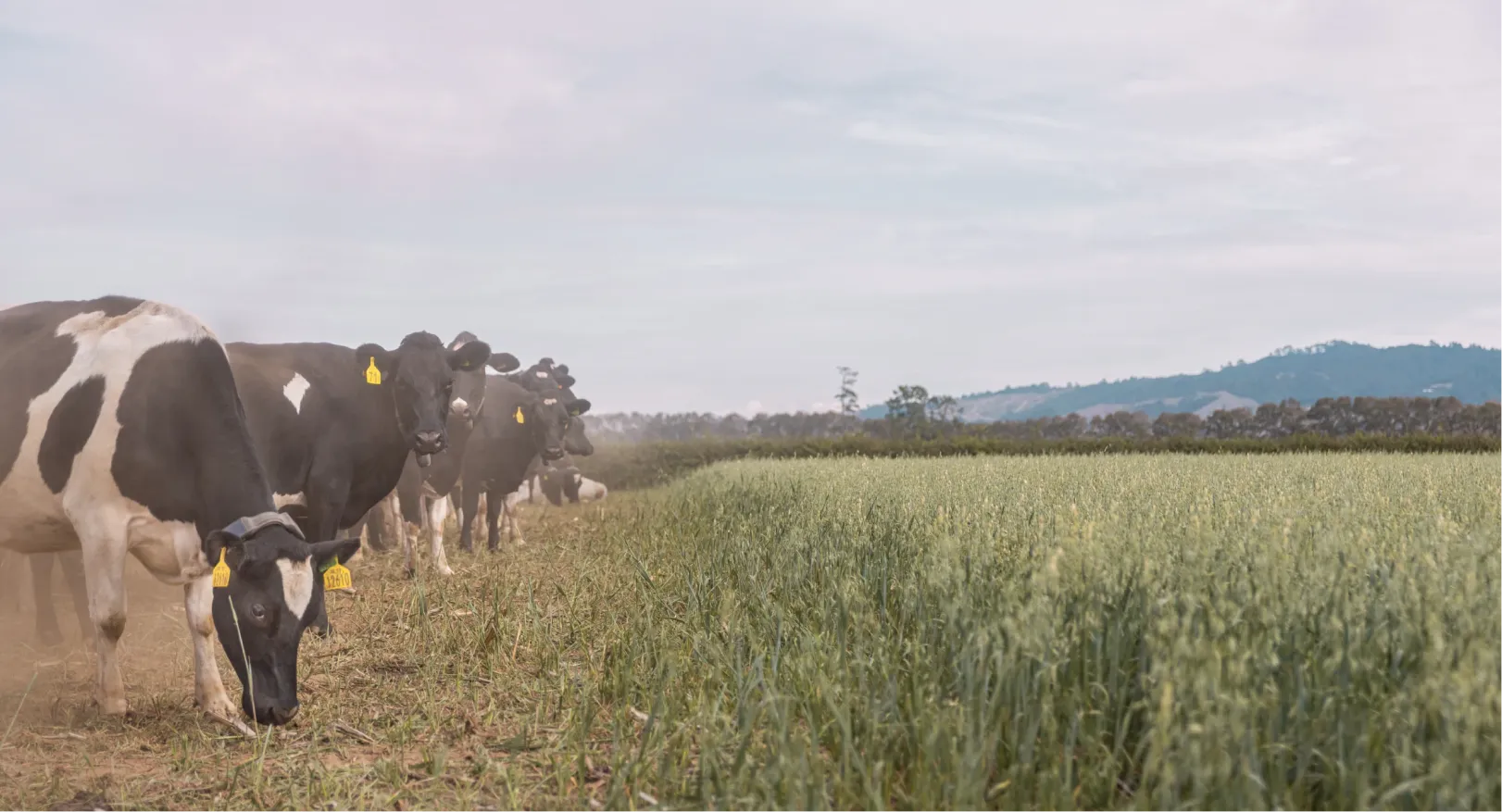
Line of black-and-white dairy cows grazing up to a virtual fence line.

Virtual fencing background

There is no evidence that receiving pulses distresses any cows, as long as pulses are predictable and controllable.
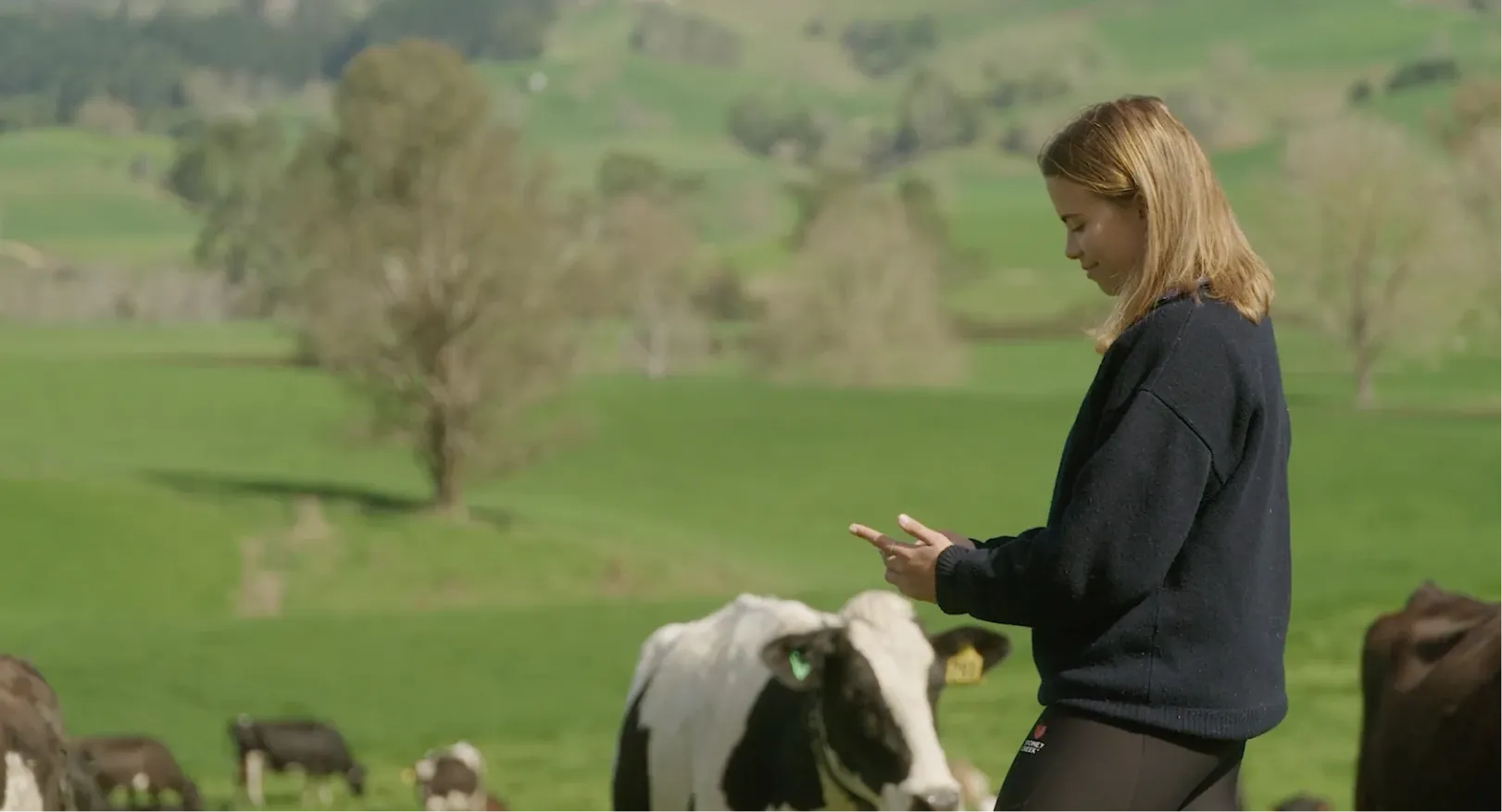
Woman in a dark sweater standing in a green field using a smartphone, surrounded by dairy cows and rolling farmland in the background.

Training Animals

Training is a core capability in Halter’s packages and is mandatory for farmers and their cows. Precise and effective training of animals is essential to protect the welfare of virtually fenced animals.
Craig Piggott in a grey t-shirt standing in a hilly paddock, gazing at a moving herd of cows as the soft, diffused light of early morning or late afternoon fills the scene.

Leadership and governance

Halter’s Animal Welfare & Ethics Leadership Group (AWELG) ensures that Halter’s system promotes responsible virtual fencing and animal guidance that advance animal welfare standards.
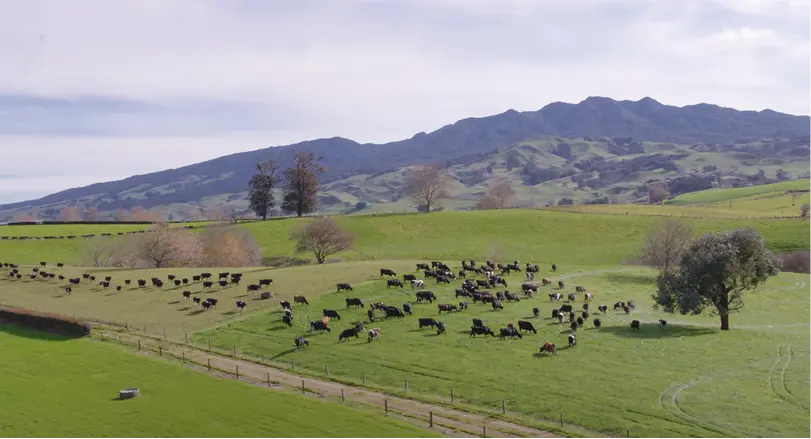
Far away shot of cows grazing on pasture

Legislative compliance in New Zealand

In New Zealand, Halter complies with all relevant laws and codes of practice. This includes, but is not limited to, The Animal Welfare Act 1999, all regulations created under this Act, and the Dairy Cattle Code of Welfare.
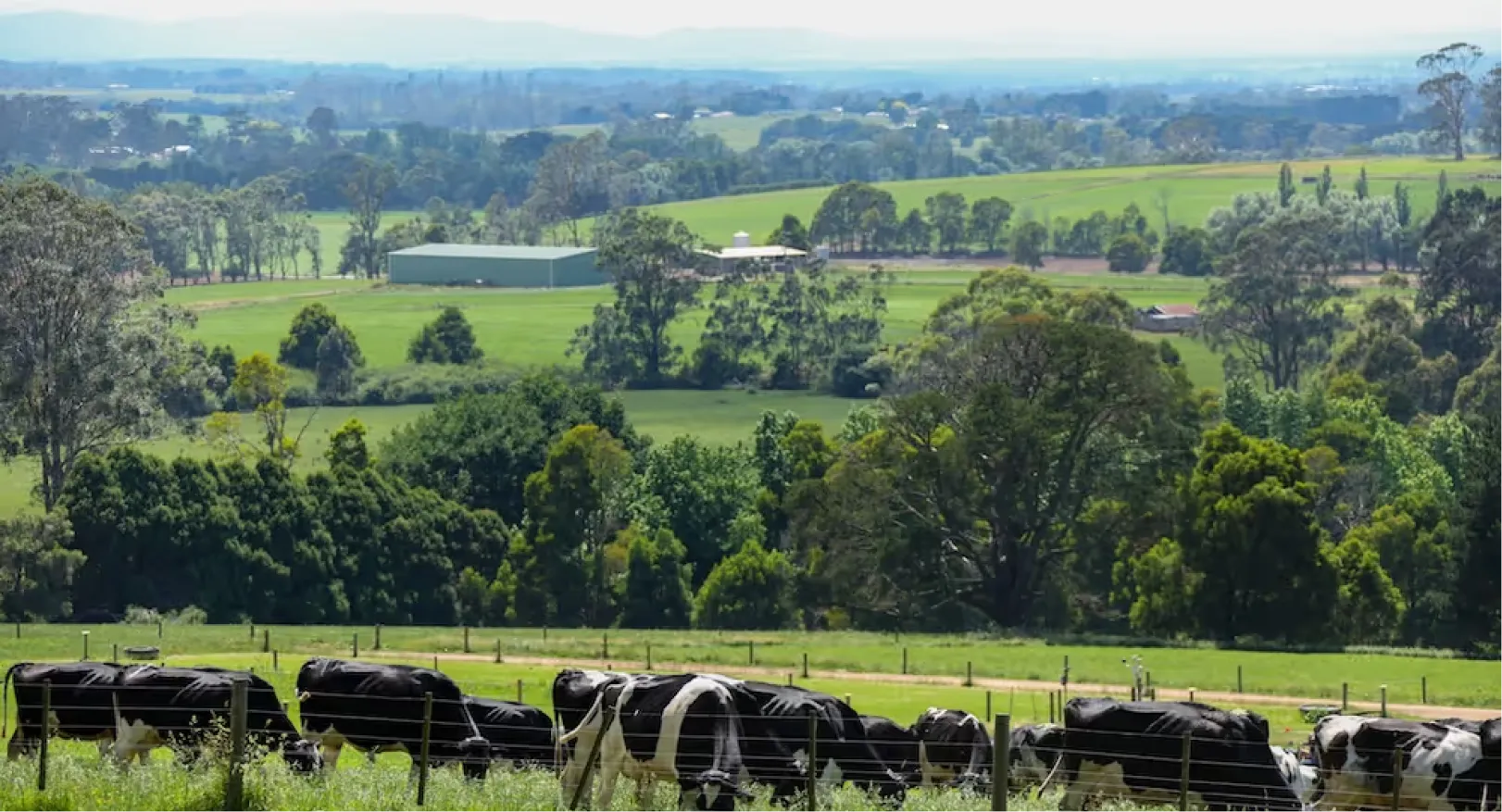
Wide landscape view of green farmland with black-and-white dairy cows grazing in a fenced paddock; rolling hills, scattered trees, and rural buildings fill the background under a hazy sky.

State of regulation in Australia

In Australia, Halter complies with all relevant laws and codes of practice in the jurisdictions in which we operate (Tasmania, Queensland and NSW). Other Australian states are modernising their laws relating to virtual fencing, with reforms actively underway.
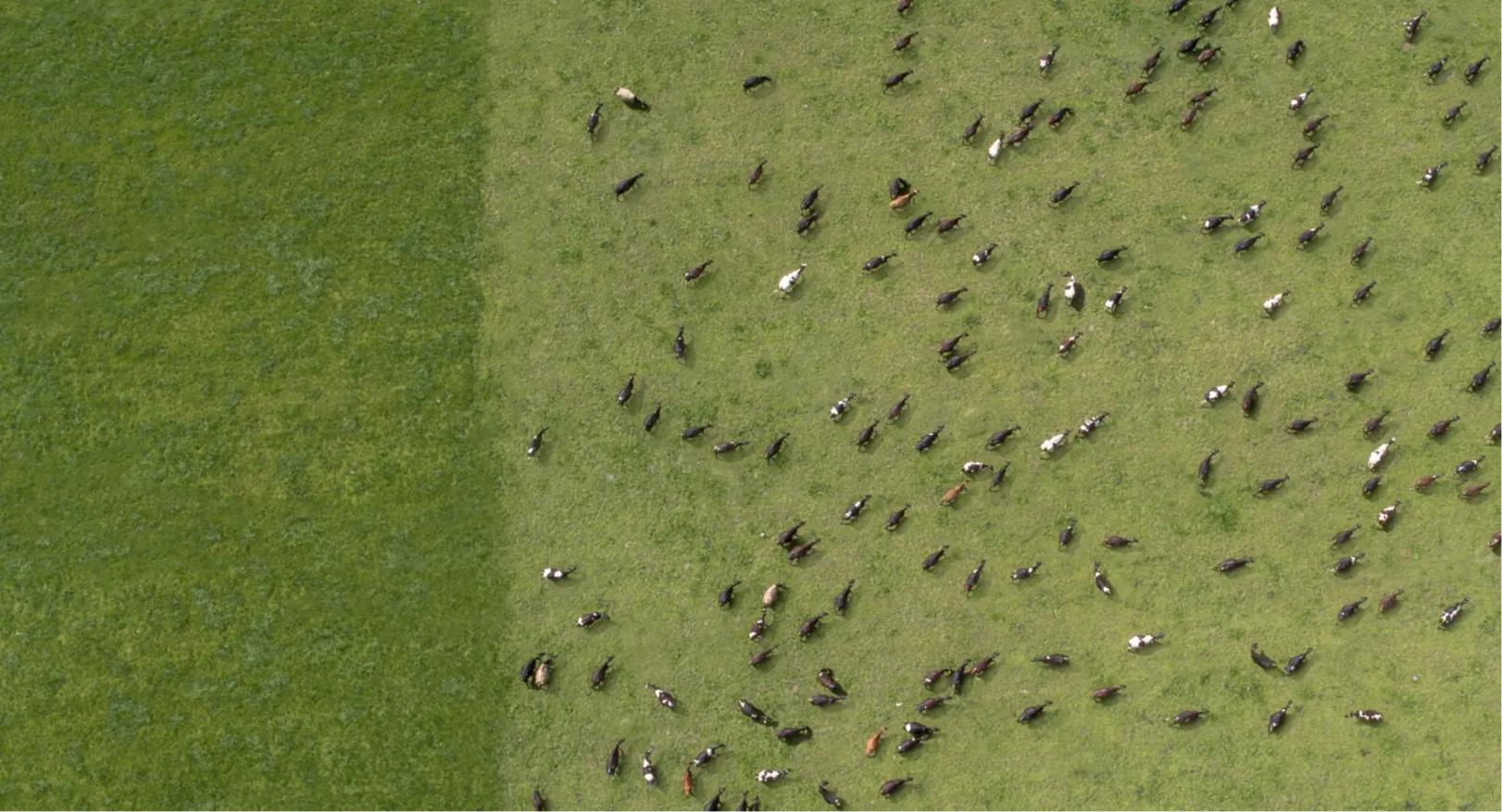
Top-down aerial shot of a herd of cows scattered across a large grassy field, showing variation in cow color and direction, with a sharp contrast between the grazed & ungrazed pasture.

References