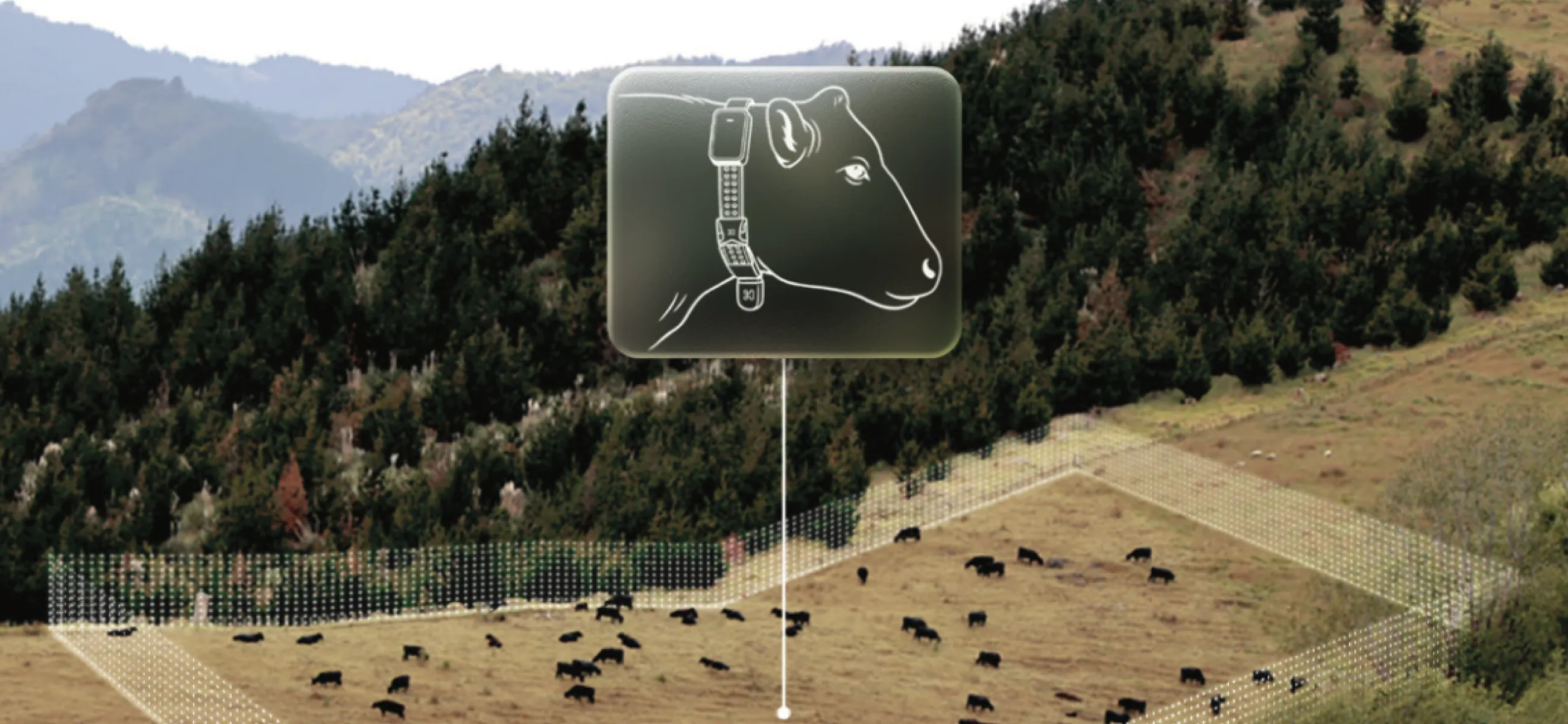


The most talked-about virtual fencing benefits are obvious: move boundaries from your phone, rotate pastures without building cross-fences, track your herd in real time. Those advantages show up in every conversation about the technology.
But there are other virtual fencing benefits that don't make the headlines. Benefits that become obvious only when you're three years into using it, or when a wildfire tears through your allotment, or when elk tear down miles of fence overnight.
At Halter, we've worked with thousands of farmers and ranchers across the U.S., New Zealand, and Australia. Here's what they've figured out that the brochures don't mention.
Virtual fencing helps ranchers recover from wildfire damage
Wildfires don't care about property lines. When flames move through rangeland, they take fences with them: miles of wire, posts, and labor turned to ash in hours. Rebuilding that infrastructure can cost tens of thousands of dollars per mile, not counting the labor or the months of work required to string it back up.
Virtual fencing offers a way forward when physical fences are gone. Ranchers can manage cattle on fire-damaged land without waiting for fence reconstruction. It makes it possible to contain herds, protect recovering burn scars, and continue grazing while decisions about permanent infrastructure get sorted out.
But virtual fencing isn't just about recovery. It's also a tool for prevention. Ranchers are using virtual fencing to create fuel breaks by strategically grazing cattle on invasive grasses and flammable vegetation before fire season hits. Without virtual fencing, creating these fuel breaks would require either expensive mechanical treatments or labor-intensive daily herding to keep cattle in the right places at the right intensity.
When fire-damaged land needs time to regenerate, virtual boundaries let ranchers protect burn scars without installing new infrastructure on fragile ground. You can exclude cattle from recovering areas, shift them as vegetation comes back, and adjust in real time as conditions change.
Virtual fencing saves money on fence repairs from elk damage
Elk don't recognize fences. Neither do deer, pronghorn, or any of the other species that share Western rangeland with cattle. But fences recognize them. When large herds move through an area, they tear up barbed wire, snap posts, and leave behind weeks of repair work.
When 200 to 400 elk come off the high country in winter, they can destroy miles of fencing in a single night. That's not just an inconvenience. It's thousands of dollars in materials and labor to rebuild what was working fine the day before. (Turns out elk have no respect for your maintenance schedule!)
Virtual fencing eliminates this problem. Elk move through without causing damage because there's nothing physical to tear down. Cattle stay contained, but wildlife passes through freely. You're not spending time and money repairing fence lines every time a herd decides to visit.
Studies show that traditional barbed wire fencing causes fatal injuries to ungulates and blocks critical migration corridors. Animals get legs caught in wire, scrape over barbs, and sometimes die struggling to cross. Virtual boundaries remove that risk entirely while still managing cattle effectively.
Virtual fencing lets ranchers track and move cattle during storms
When severe weather hits, knowing where your cattle are matters. Virtual fencing tracks every animal in real time, so you know they're safe without having to drive out in dangerous conditions. If you need to move them away from a threatened area or into better shelter, you can adjust boundaries remotely.
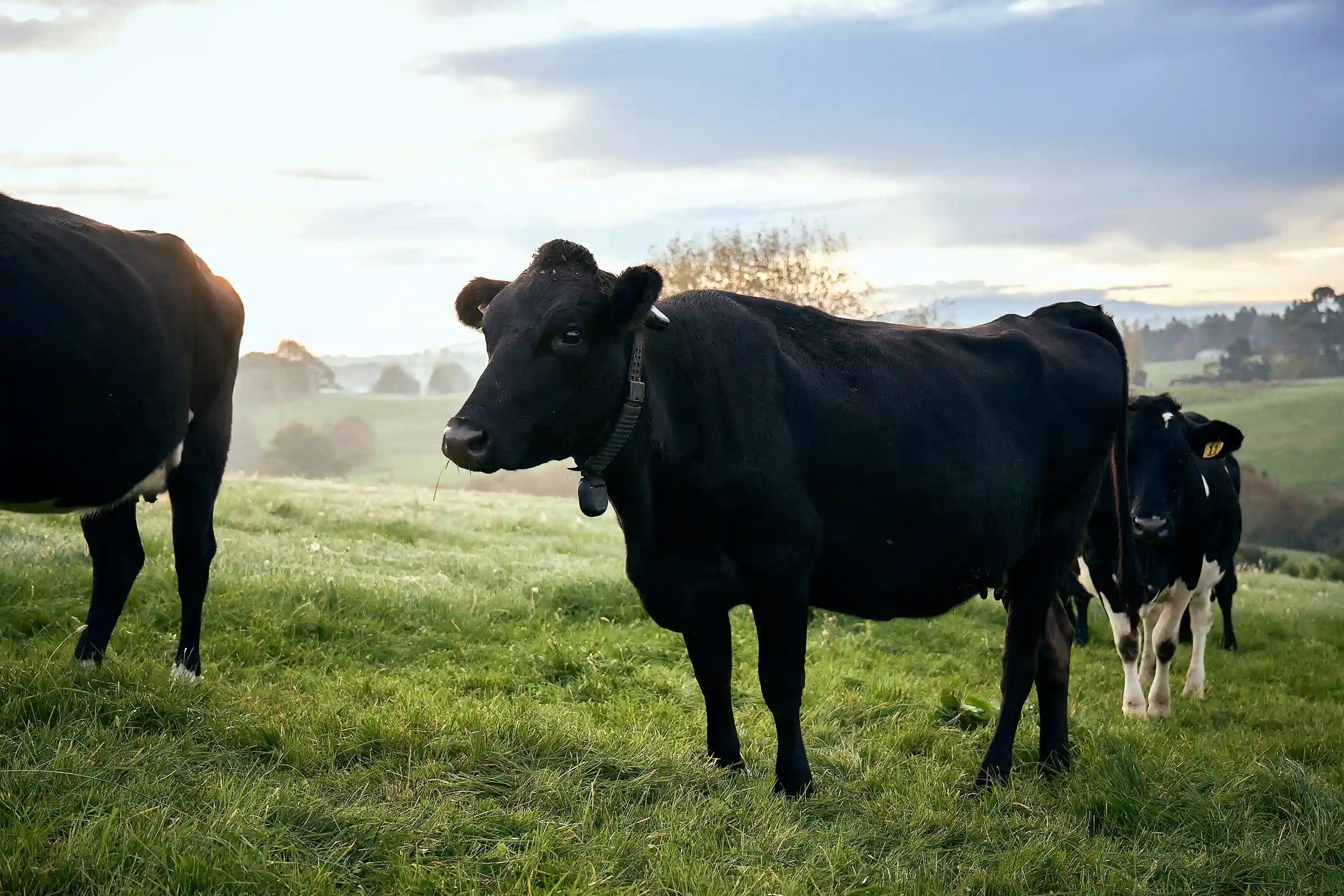
That real-time tracking matters in ways that extend far beyond weather events. When cattle are spooked, lost, or scattered for any reason, you have a location for every animal. (The collars are also designed with safety in mind: they shut off when cattle are running at high speeds, so they're never receiving cues during a stampede or panic.) But you can still track their location. You're not riding miles of fence line or spending days searching. You know where they are at all times.
Wind and storms also destroy traditional fences. Strong winds snap wires, uproot posts, and blow gates off their hinges. Ice storms coat fence lines until the weight brings everything down. Every major weather event means days or weeks of repair work: walking miles of fence line, resetting posts, restringing wire, rebuilding entire sections. In high-wind areas, fence maintenance becomes a constant expense, but virtual fencing eliminates that cycle.
Virtual fencing makes waterway protection easier and more flexible
Riparian areas (the strips of vegetation along streams and rivers) are some of the most ecologically sensitive parts of any ranch. They filter sediment, stabilize banks, provide habitat for fish and wildlife, and recharge groundwater. They're also magnets for cattle, especially in hot, dry conditions when shade and water are hard to come by.
Keeping cattle out of riparian zones with traditional fencing is expensive and inflexible. You build a fence, and it stays where it is. If conditions change (if a drought dries up one water source or a flood damages a creek bank) you're stuck with the infrastructure you have.
Virtual fencing makes riparian protection precise and adaptive. Ranchers can set exact setbacks from streams, adjust boundaries as water levels change, and protect recovering vegetation without installing new fencing on unstable ground. When weather turns and pastures get muddy, you can remotely move cattle off sensitive areas to drier ground, protecting both soil structure and water quality without having to physically herd animals through wet conditions.
When protecting waterways doesn't require building miles of fence, more ranchers can actually do it. The barrier isn't wanting to be a good steward. It's having the time and money to install infrastructure that might not even work long-term.
Virtual fencing cuts gathering time from weeks to days
In large pastures (some ranchers run cattle across 20,000 acres or more) gathering can take weeks with traditional methods. You ride, you search, you cover the same ground multiple times hoping to find animals that moved since you were last there. Every day spent searching is a day not spent on other work. And if we're being honest, it's also just deeply annoying.
Halter provides a location for every collared animal at any time. When it's time to move cattle, you're not guessing where they might be. You know. You ride directly to them, gather them, and move on. What used to take weeks now takes days. What used to take days now takes hours. That's not just about saving time. It's about reducing stress on animals, cutting fuel costs from endless searching, and getting cattle where they need to be when they need to be there.
Virtual fencing lets calves access the best forage without competition
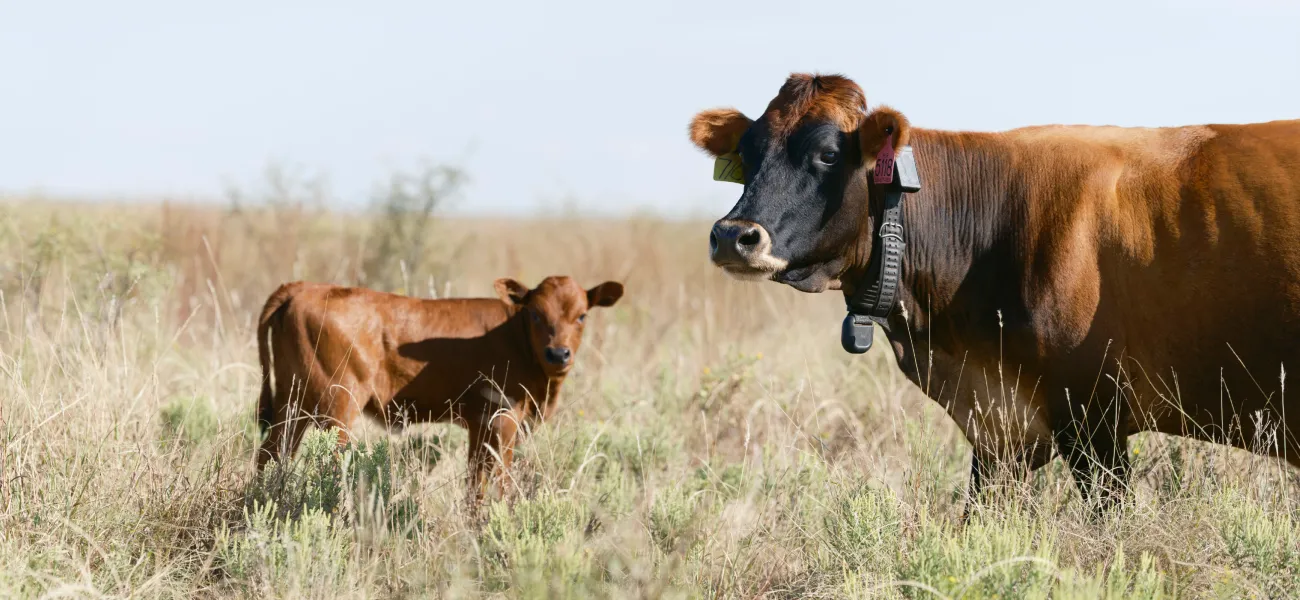
Here's one ranchers don't expect until they see it: calves creep grazing with virtual fencing. The calves don't wear collars, which means they can walk right through virtual boundaries while cows stay contained.
In practice, this creates a natural creep grazing system. You can keep cows on one section of pasture while calves wander through to access the best forage without having to compete with larger animals. They get first access to prime feed, which means better weight gain and healthier calves, all without building separate paddocks or moving cattle multiple times a day.
It's not something you set out to do with virtual fencing. But once ranchers see calves moving freely to better feed while cows stay where they should be, it becomes one of those benefits that's hard to give up!
Virtual fencing makes ranch work more appealing to younger employees
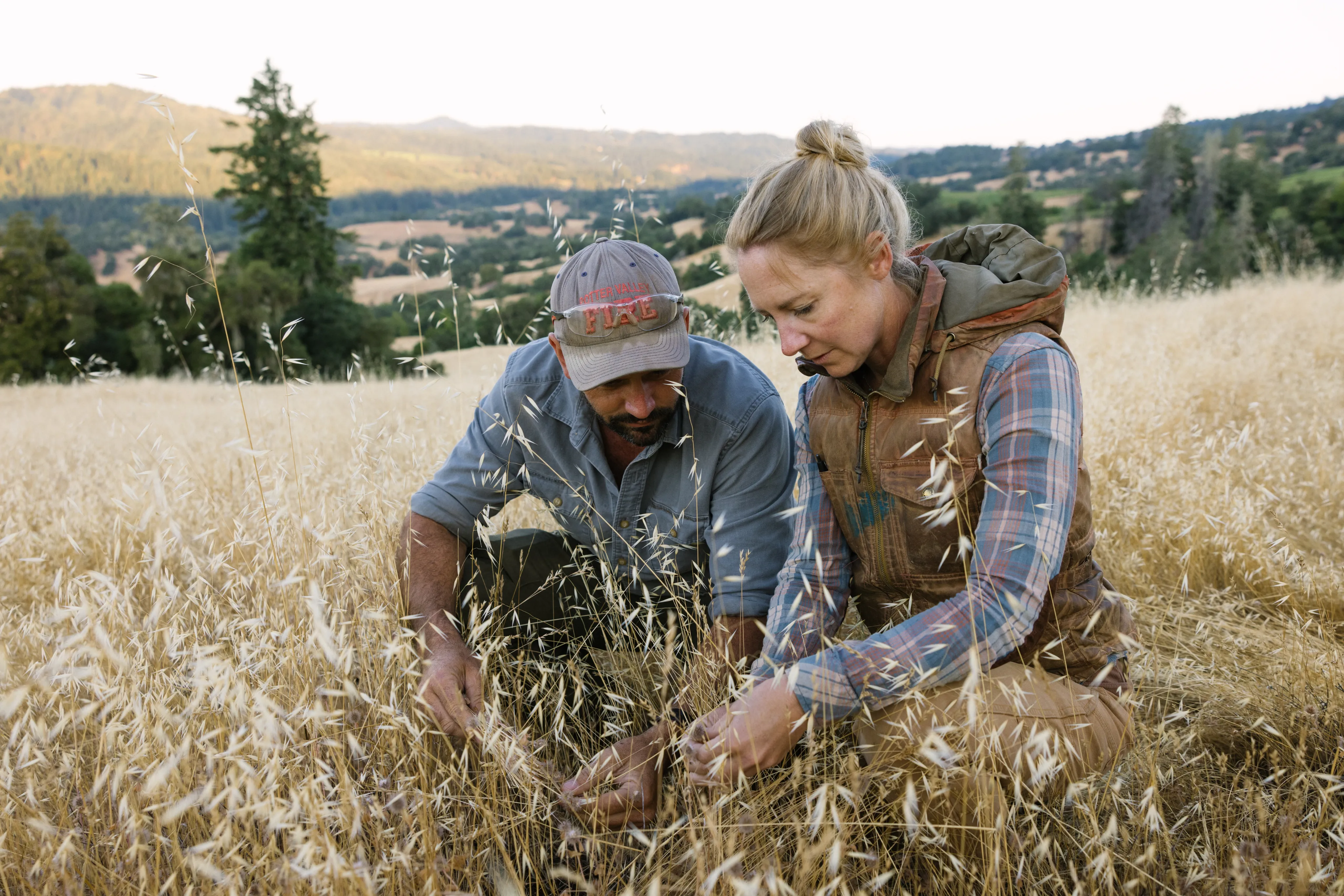
Here's something ranchers don't always talk about, but it matters: finding and keeping good labor is one of the hardest parts of running a cattle operation. When the job requires spending hours repairing fence or riding to check cattle locations, it's hard to compete with other industries. When the job involves using real-time data to make grazing decisions and managing cattle remotely, it's a different proposition.
Virtual fencing doesn't eliminate the need for skilled stockmanship. But it changes what that skill looks like. You're still making decisions about grazing pressure, animal health, and land management. You're just doing it with better tools. That makes ranching more competitive as a career, especially for people who want to work in an industry that's adopting new technology rather than resisting it.
What all these unexpected benefits add up to
The thread running through all of these benefits is adaptability. Virtual fencing doesn't solve problems by replacing one rigid system with another. It solves them by making boundaries flexible enough to respond to conditions on the ground, whether that's fire, wildlife, weather, water, lost cattle, or labor challenges.
Traditional fencing locks you into decisions made years ago. Virtual fencing lets you adjust as the world changes. That matters now, and it's going to matter more as fire seasons lengthen, wildlife corridors become more critical, water management gets harder, and finding skilled labor gets more challenging.
Ranchers across the U.S. are using virtual fencing to manage these challenges. The technology works. The question is whether it works for your operation, in your landscape, with your goals.
The unexpected benefits aren't the reason you adopt virtual fencing. But they're the reason you keep using it.
If you're curious how Halter's virtual fencing system could work on your operation, reach out to our team or have a look around our site.
Frequently asked questions about Halter's virtual fencing
What are the main benefits of virtual fencing for cattle?
Halter helps ranchers reduce fencing costs and maintenance, simplify labor needs, and gain GPS-enabled visibility with real-time herd location tracking. The system enables precise rotational grazing to optimize pasture growth and utilization, supports regenerative grazing for soil health and biodiversity, protects waterways and riparian zones, and allows wildlife to coexist by reducing physical fences. Halter also gives ranchers greater flexibility to manage cattle on their schedule and reclaim valuable time.
Does virtual fencing work in extreme weather?
Yes! Halter's collars are solar-powered and designed to operate year-round in varied conditions.
How long does it take cattle to learn virtual fencing?
Cattle are typically fully trained with Halter within 7-10 days, depending on how often they're moved. Halter's onboarding team creates a training plan for each operation, and containment happens quickly. The collars adapt to each individual cow, and cows are intelligent (smarter than we give them credit for!) and quickly understand the guidance cues.
How strong is the shock in virtual fencing collars?
Halter isn't a "shock collar." The system uses sound and vibration as the primary cues. Sound provides left or right directional guidance, and vibration signals the correct direction to move into a new break. A low-energy electric pulse is only used during training or if cues are repeatedly ignored, and it's significantly lower energy than an electric fence. The collars are lightweight, ergonomic, and designed for long-term comfort.
Do cattle stay contained with virtual fencing?
Yes! Halter's virtual fencing is highly reliable. Halter is the only all-in-one system for virtual fencing, herding, and pasture management, designed to be simple, reliable, and built to help ranchers run more productive operations. The technology has been proven effective across farms and ranches in the U.S., Australia, and New Zealand.
Is virtual fencing worth the cost?
While there's an upfront cost, ranchers can save on fencing, feed, labor, and equipment. Halter reduces manual labor and fencing maintenance expenses while enabling adaptive and regenerative grazing strategies that weren't previously feasible. All equipment is covered under a lifetime warranty.