

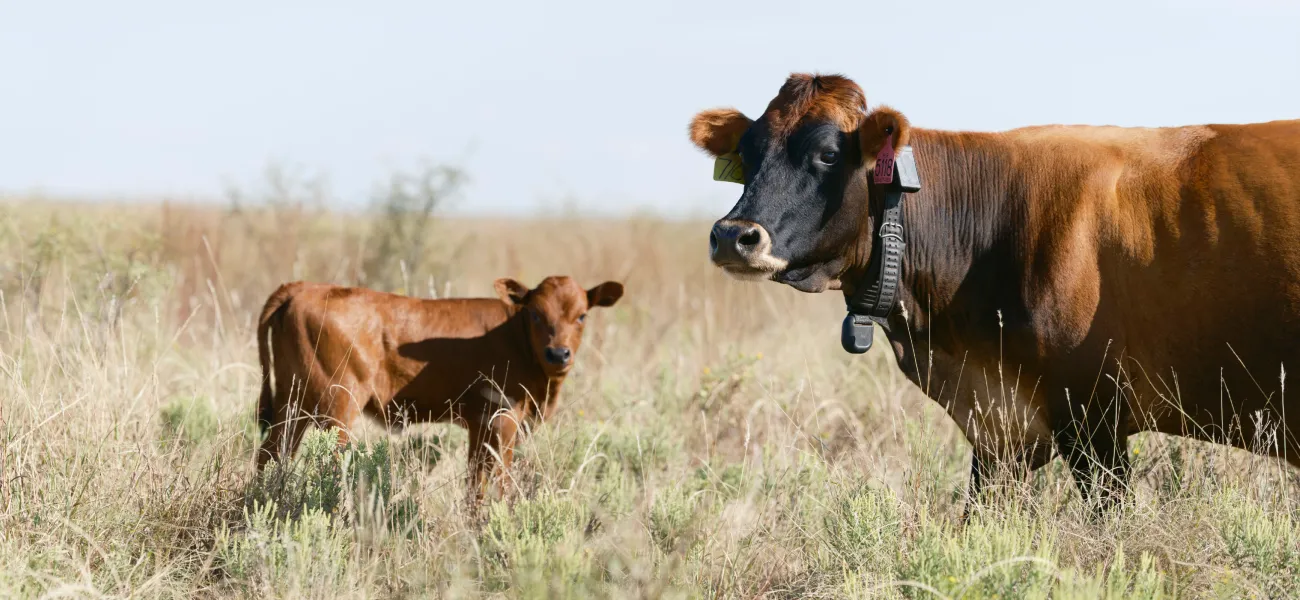
Calving season is when ranchers make their year, or lose it. Every calf that doesn't make it to weaning is lost revenue. Every hour spent on nightchecks is time away from sleep and family. The challenge isn't just keeping calves alive. It's doing that while managing labor and maintaining land health without burning out.
Many ranchers end up choosing between intensive monitoring and smart grazing, because doing both has meant building more infrastructure or accepting higher losses. But good calving management isn't necessarily about choosing. It's about understanding the tradeoffs, recognizing where problems happen, and building systems that work for your operation.
Understanding calf losses and calving season costs
Calf losses average 3-5% across the beef industry according to research from North Dakota State University Extension and USDA data, but that number hides a lot of variation. Some operations lose less than 2%. Others are closer to 8-10%, especially in tough weather years. At current market prices, every lost calf represents $2,500-3,000 in lost revenue.
The causes of calf loss break down into a few major categories:
Dystocia (difficult birth) accounts for roughly 50-70% of calf deaths in the first 24 hours according to research from multiple land-grant universities including Montana State, Virginia Tech, and Iowa State. This is especially common in first-calf heifers, where the risk can be 2-3 times higher than mature cows. Factors include calf size, cow body condition, genetics, timing of intervention, and pelvic dimensions.
Weather-related losses spike during cold, wet conditions. Calves born in mud or during temperature swings are at higher risk of hypothermia, especially if they don't get colostrum quickly or if the cow doesn't dry them off properly. Wind chill makes it worse. Calves can handle cold conditions if the cow takes proper care of them, but a calf that's wet and can't get dry in 20-degree weather won't last long.
Disease and scours tend to show up when calving density is too high or cattle are kept in the same area too long. Contaminated ground leads to higher pathogen loads, which leads to sick calves. Moving pairs to fresh ground Sandhills-style can help reduce disease pressure, but it requires either extensive infrastructure or a more flexible system.
Labor is the other hidden cost. Nightchecks during peak calving can mean 2-3 hours of lost sleep every night for weeks. If you're running pairs across large pastures, checking on them means burning fuel, time, and wear on equipment just to cover ground. Research from the University of Nebraska Gudmundsen Sandhills Laboratory found that labor requirements during March calving averaged 1.37 hours per head for the season, including checking, tagging, pairing out, assisting difficult births, and doctoring. For a 100-cow herd, that's significant time investment during the most intense weeks. Many operations bring on seasonal help just to keep up, which adds $15-20/hour in labor costs on top of the time you're already putting in.
Then there's land use. Calving season often means pulling cattle into smaller, more manageable areas where you can keep eyes on them. That's good for monitoring, but it can mean underutilizing the rest of your range, delaying rotations, or concentrating impact in ways that hurt pasture health. The infrastructure you built for the other 10 months of the year doesn't always serve you well during calving.
Best practices for calving season management
The fundamentals haven't changed: good nutrition going into calving season, body condition scoring to identify at-risk cows, and a monitoring system that catches problems before they become losses. The difference between a 2% loss rate and an 8% loss rate usually comes down to execution on these basics.
Nutrition and body condition scoring for calving
Many ranchers target a body condition score of 5-6 heading into calving. Too thin (BCS 4 or below) and cows are more likely to have complications, longer labor, and weaker calves. Too fat (BCS 7+) can increase dystocia risk, especially in heifers. Getting body condition right typically means planning nutrition months in advance and adjusting based on forage quality, weather, and individual cow condition.
Most ranchers start increasing nutrition in the last trimester. This is when the fetus is growing fastest. Energy demands peak after calving when the cow starts lactating. If you're relying on stockpiled forage, knowing the quality matters. If it's below 7-8% crude protein, supplementation is often necessary. A common guideline: cows in late gestation need about 1.5-2 pounds of crude protein per day, depending on body weight and forage quality.
First-calf heifers need extra attention. They're still growing while gestating, which means higher nutritional demands. They also haven't calved before, which means they're more likely to need help during birth and attention to make sure they mother up properly. Keeping them separate from the mature cow herd during late gestation lets you manage their nutrition more precisely and reduces competition for feed. Some ranchers also use night feeding strategies to encourage daytime calving, which can reduce the chances of a calving wreck during nightchecks.
Calving pasture setup and design
Calving areas typically need to balance several things: enough space that pairs can spread out and reduce disease pressure, but not so much space that you lose visibility or spend all day covering ground. Access to clean water is essential, and shelter from weather extremes can make a difference in calf survival.
A common guideline is 1-2 acres per pair for the first few weeks, depending on forage availability and weather. Too tight and you're asking for disease issues. Too loose and monitoring becomes a logistical challenge. The goal is visibility without crowding.
Access to shelter can matter, especially in variable weather. Natural windbreaks like tree lines or terrain features work well. On open ground, some ranchers use strategically placed hay bales for protection during cold snaps.
Clean water is critical. Cows can need 10-12 gallons per day during lactation, more in hot weather. Water sources work best when they're accessible but not in areas where cattle will congregate and create mud. Contaminated water can lead to scours.
Flexibility to move pairs as conditions change helps with multiple management goals. Separating first-calf heifers from the main herd reduces stress and allows for closer monitoring. Isolating sick calves prevents disease spread. Rotating to fresh ground as calving progresses keeps pathogen loads down. All of this requires either extensive infrastructure or a system that lets you create temporary boundaries without building fence.
Monitoring protocols that work
Checking every two hours sounds great until you're three weeks in and exhausted. Most ranchers settle into a rhythm: more frequent checks during peak calving (every 2-4 hours), less as things taper off. The key is being able to respond when it matters.
Common things to watch for during checks include:
- Cows showing early labor signs (restlessness, separation from the herd, tail raising)
- Cows in active labor for more than 2-3 hours without progress
- Calves that haven't stood and nursed within 2 hours of birth
- Pairs that are isolated or showing signs of illness
- Weather changes that could stress newborn calves
Nightchecks are where most ranchers lose sleep, literally. A good headlamp, a reliable ATV, and a system for tracking which cows have calved makes the process more efficient. Some operations use cameras or remote monitoring to reduce the frequency of physical checks, though you still need to be ready to intervene when necessary.
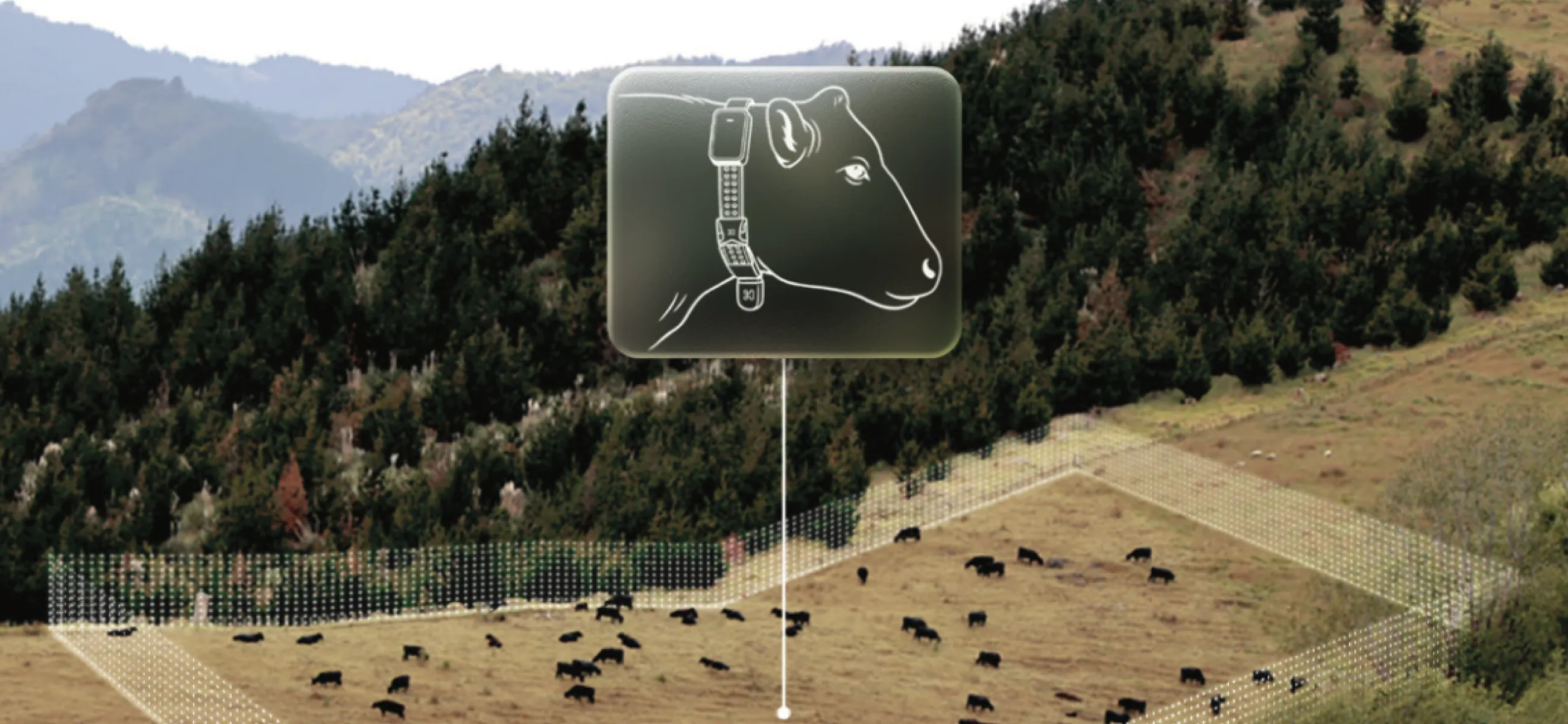
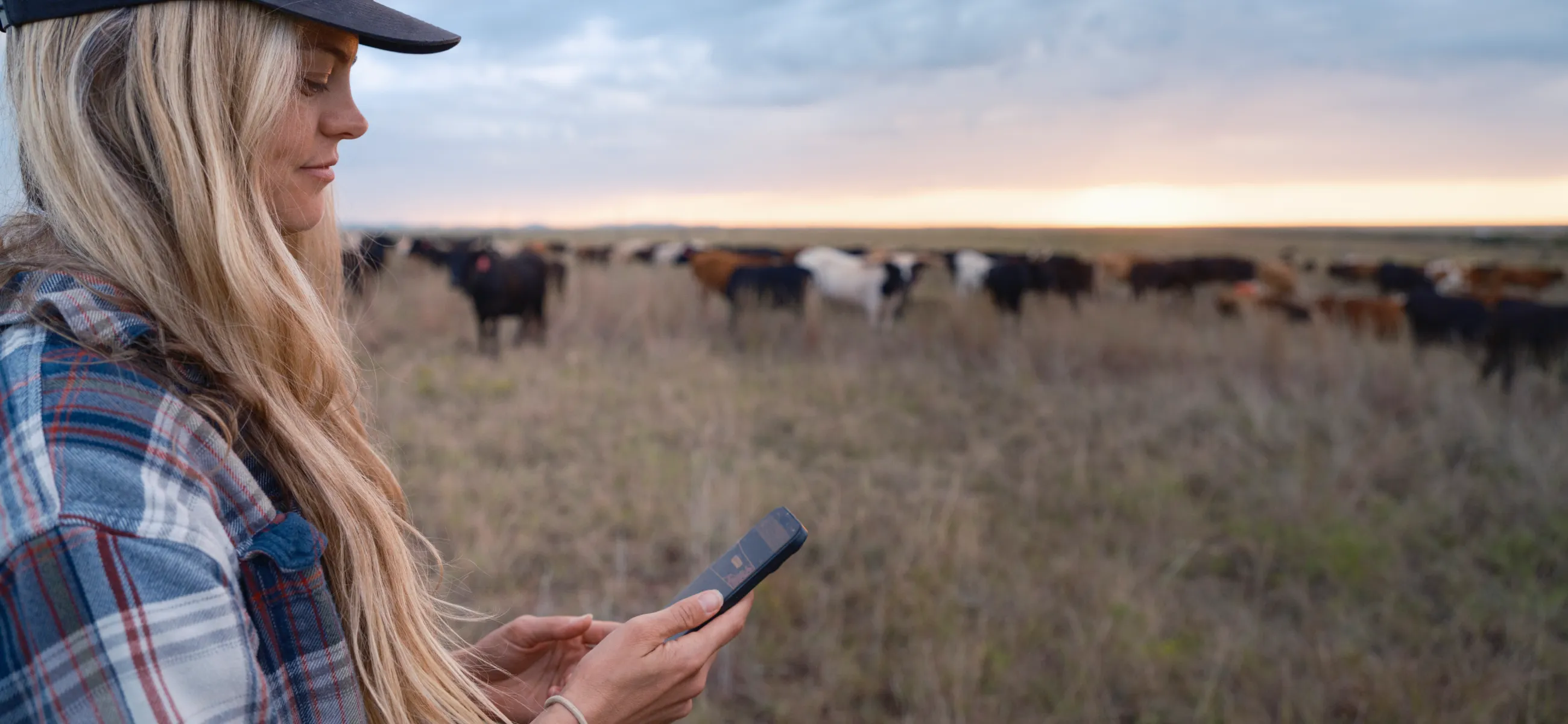
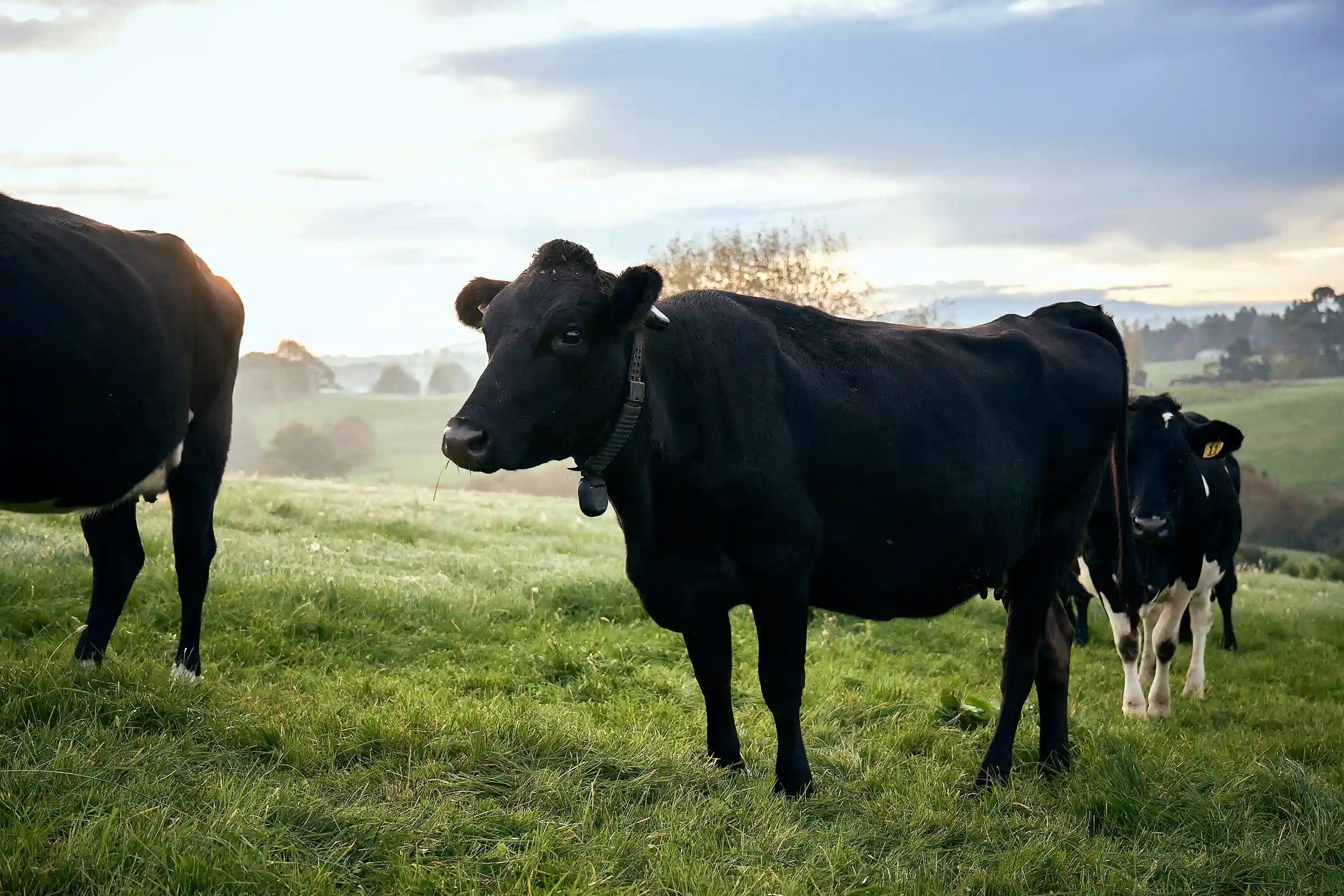
Virtual fencing systems like Halter can help with monitoring by showing real-time location data for each cow. If a cow separates from the herd or stays in one spot for an extended period, you can see it on the app and check on her specifically rather than riding through the entire herd. It doesn't replace physical checks, but it can help you focus your time on the animals that need attention.
Infrastructure challenges in calving season
All of these management practices require infrastructure. Permanent fence to create calving paddocks. Gates and access roads to move between areas. Corrals close enough to bring in pairs that need help. If you're on leased ground or challenging terrain, building that infrastructure might not even be an option.
Here's where it gets hard: calving season demands both intensive management and land mobility. You want to rotate pairs to fresh ground to reduce parasite loads and optimize forage, but that means either moving them frequently (which adds labor and stress) or accepting that they'll stay in one place longer than ideal.
Permanent fence is expensive. A mile of barbed wire fence runs $8,000-12,000 depending on terrain and materials. If you need multiple calving paddocks, access lanes, and sorting areas, you're looking at significant capital investment. And once it's in, it's in. Your calving area is locked to that location, even if forage conditions, weather, or herd dynamics would be better served somewhere else.
Permanent fence also limits flexibility. You can't easily adjust paddock size based on how many cows have calved. You can't shift boundaries when part of a pasture gets muddy or overgrazed. You're working within fixed infrastructure that may or may not match what the season actually throws at you.
Temporary electric fence helps, but it's still labor. You're out there moving wire, checking chargers, dealing with cattle that learn to challenge it when the pressure's off, and fixing breaks when something goes wrong. During calving season, when you're already stretched thin on sleep and time, adding fence work to the list isn't ideal. Plus, in rough terrain or areas with heavy brush, running temporary fence just isn't practical.
Leased ground adds another layer of complexity. Many ranchers don't own all the land they run cattle on. While some invest in infrastructure on longer-term leases, building permanent fence on leased property isn't always practical. Temporary solutions often become the primary option, and those come with all the labor and reliability issues mentioned above.
In areas with challenging terrain like Nebraska's Sandhills and similar regions, these problems can be amplified. Fragile soils that won't hold posts well, long distances between water sources, and weather that can bury or damage wire all make traditional fencing difficult. Ranchers in these areas have often had to choose between extensive grazing with less monitoring or intensive management with infrastructure that's hard to maintain. The land may be great for grazing, but the infrastructure required to manage calving season intensively doesn't always pencil out. Rancher Barb Downey has [shared her experience using virtual fencing during calving season in the Sandhills]([BARB VIDEO URL]), showing how the technology makes intensive management practical in terrain where traditional infrastructure struggles.
This is why so many operations compromise during calving. They pull cattle into smaller, more manageable areas and accept the tradeoffs: underutilized range, higher stocking density, delayed rotations. It works, but it's not optimal. The question is whether there's a way to get intensive management and land mobility without doubling your infrastructure costs or labor hours.
How virtual fencing helps with calving management
Virtual fencing is another tool in the rancher's toolkit. It won't fix poor nutrition or eliminate nightchecks, but it does give you more control over where cattle go without the infrastructure and labor costs of traditional fence. For a deeper look at how ranchers are using this technology during calving, Halter recently hosted a [webinar with ranchers and team members discussing practical applications]([WEBINAR URL]).
The core benefit is this: you can create and move boundaries without physical infrastructure. That means you can rotate calving pairs to fresh ground to reduce disease and pathogen pressure and optimize forage use, all without the labor of moving wire or the capital cost of building permanent fence.
Practical applications during calving
Moving pairs to clean ground to reduce disease pressure. Instead of keeping pairs in the same area for the entire calving season, you can move them to fresh pasture as often as conditions require. You adjust the boundary from your phone, and cattle move themselves to the new area.
Separating groups without gathering. If you need to isolate first-calf heifers, sick calves, or pairs that need extra monitoring, you can create temporary boundaries and move them without physically gathering and sorting the whole herd. This reduces stress on cattle and saves hours of labor.
Virtual fencing also enables safety measures that aren't practical with traditional fence. If you have steep creek banks where newborn calves are at risk of drowning in their first hours of life, you can draw boundaries that keep cows 200 yards away from those hazards during calving season. This kind of precision management can prevent losses that used to be accepted as unavoidable.
Responding to weather and forage conditions in real time. If a storm is coming and you want pairs closer to shelter, you can shift the boundary. If part of your calving area is getting muddy or overgrazed, you can adjust on the fly.
Some virtual fencing systems include a "shift to new area" feature that allocates fresh pasture while still allowing cattle access to previous days' grazing. This is critical during calving because cows can move to new forage while still being able to return to where they left their calves. You're not forcing every animal to move at once. Cows that just calved can stay back, and cows ready to move can access fresh grass without losing connection to the rest of the herd.
Managing large or remote pastures. For operations running cattle across big acreage or challenging terrain, virtual fencing makes it possible to create smaller management units within a larger pasture. You get the control and visibility you need for calving without sacrificing access to the best forage.
Pausing collars for individual cows. When a cow calves, you can pause her collar from the app so she stops receiving cues from the virtual fence. This gives her the freedom to stay with her newborn without pressure to move with the herd. Some ranchers pause collars liberally during calving, sometimes having 20-30 paused at once in a 200-head group, then unpause them once calves are strong enough to keep up. The cow can rejoin the herd when she's ready, or you can pair them up and move them manually if needed.
The Sandhills calving method and virtual fencing
The Sandhills calving method (moving uncalved cows to fresh ground and leaving pairs behind) is a proven way to reduce disease pressure, but most ranchers lack the infrastructure and time to make it work. Virtual fencing can help remove those barriers.
Instead of spending hours moving physical fence, gates, and water sources, you adjust boundaries from your phone. Cattle move to clean ground without the labor that traditionally made this practice challenging. While virtual fencing shows promise for enabling this method more widely, it's still an emerging application that ranchers are beginning to explore.
The labor requirements change too. Instead of spending hours moving temporary fence or driving across large pastures to check on scattered pairs, you're managing boundaries digitally and responding only when cattle actually need intervention. You're not eliminating labor, but you're focusing it on the things that matter: assisting calves when needed, treating sick animals, and managing the details that actually affect calf survival.
The benefits extend beyond calving season. Virtual fencing enables creep grazing, where calves graze ahead of the herd on fresh, high-quality forage. Because there's no physical fence to stop them, calves naturally range ahead of their mothers and come back to nurse. One Kansas rancher using Halter's virtual fencing system saw a 30-pound increase in weaning weights compared to previous years.
Virtual fencing doesn't work everywhere for every operation. If your cattle are already in small, easily managed paddocks near headquarters, you might not need it. If your infrastructure is dialed in and working well, adding new technology might not make sense. And if your operation doesn't have the terrain or herd size where mobility and flexibility create real value, the ROI might not be there. But for ranchers dealing with challenging terrain, large pastures, limited infrastructure, or the need to rotate frequently during calving, it's a tool that lets you manage the season the way you want to, not the way your fence lines force you to.
Improving your calving season management
Calving season will always be hard. The weather won't cooperate, calves will get sick, and you'll lose sleep no matter how dialed in your systems are. But there's a difference between hard because the work is difficult and hard because your infrastructure is fighting you the entire time.
Good calving management starts with the basics: proper nutrition and body condition going into the season, pasture design that balances visibility with space, and monitoring protocols that catch problems early without burning out your crew. These fundamentals don't change, regardless of what tools you're using.
Where things get interesting is when you have the flexibility to execute on those fundamentals without compromise. For example, being able to rotate pairs to clean ground when disease pressure builds. Having the option to separate groups without a major gathering operation. Being able to adjust your calving area based on weather, forage, and herd dynamics instead of being locked into fixed infrastructure.
For some ranchers, that flexibility comes from extensive permanent fencing and the labor to manage it. For others, it comes from rethinking what's possible with the tools available now. Either way, the goal is the same: fewer losses, smarter labor use, and better land management. Not because it makes calving season easy (it won't), but because it lets you manage the season the way your operation actually needs, not the way your limitations force you to.
The operations that do calving well aren't necessarily the ones with the most infrastructure or the biggest budgets. They're the ones that have systems aligned with their land, their herd, and their labor reality. That alignment is what can reduce losses, keep a crew from burning out, and make calving season something you can manage well instead of just survive.
References
- North Dakota State University Extension. "Beef Calf Death Loss: How Is Your Operation Doing?" Michigan State University Extension. https://www.canr.msu.edu/news/beef_calf_death_loss_how_is_your_operation_doing
- Montana State University Extension. "Dystocia in Beef Cattle." MSU Extension MontGuide. https://www.montana.edu/extension/montguides/montguidehtml/MT202501AG.html
- Virginia Tech Extension. "The Cow-Calf Manager: Calving Management." https://www.sites.ext.vt.edu/newsletter-archive/livestock/aps-98_02/aps-881.html
- Iowa State University Beef Center. "Dystocia Prevention and Intervention." https://www.iowabeefcenter.org/calving/dystocia.html
- University of Nebraska Gudmundsen Sandhills Laboratory. "Labor Time and Costs in The Calving Season." Beef Magazine. https://www.beefmagazine.com/mag/beef_labor_labor_department