

Halter: Built for Beef
When we first started thinking about putting virtual fencing collars on beef cattle, one thing was clear: beef farming needed its own technology, not a dairy product repurposed for beef cattle.
Everything about beef systems varies massively - topography, mob sizes, temperament, handling routines, shift frequency, grazing patterns, even what a “normal” day looks like. Dairy foundations were certainly helpful in getting things started, but they weren’t going to be the be all and end all. Beef required its own product, its own engineering, and its own way of thinking.
This is the story of how we built a virtual fencing system purpose-built for beef farmers, from the ground up.
Why beef needed it's own product
Across New Zealand, Australia, and the US, beef farmers were facing the same core challenge: the inability to graze their land how they wanted to.
Physical fencing simply couldn’t keep up with the complexity of beef country. Steep land, limited labour, large paddocks, tricky water access, and long distances meant farmers couldn’t graze the way they wanted to.
Instead of rotational grazing, many ended up set-stocking or shifting stock far less than ideal - not because they didn’t know the benefits, but because the logistics made things near impossible.
This is where demand for virtual fencing became clear. Farmers wanted the freedom to farm the way they’d always imagined, without the labour or terrain barriers holding them back.

Why not just copy and paste the dairy product?
Years of research and development in the Dairy market had given us reliable hardware, robust safety systems, and confidence in the fundamentals - we knew how to safely contain and shift cattle.
But on beef farms, things looked different:
- More variance in mob sizes
- Cattle don’t have the same daily routines
- Farmers aren’t shifting stock toward a shed at a set time
- Terrain is often more challenging and less fenced
- Grazing flexibility matters more than precise paddock boundaries
During our early research and development phase for beef, we quickly learned that beef cattle didn’t respond as consistently as dairy cows to directional sound cues. Without a time-bound incentive like milking, beef cattle needed a different type of cue. A hard problem for sure, but we’re always up for a challenge.
So, instead of 'asking' cows to move, we redesigned beef shifting around a simple behavioural truth: beef cattle naturally seek fresh feed.
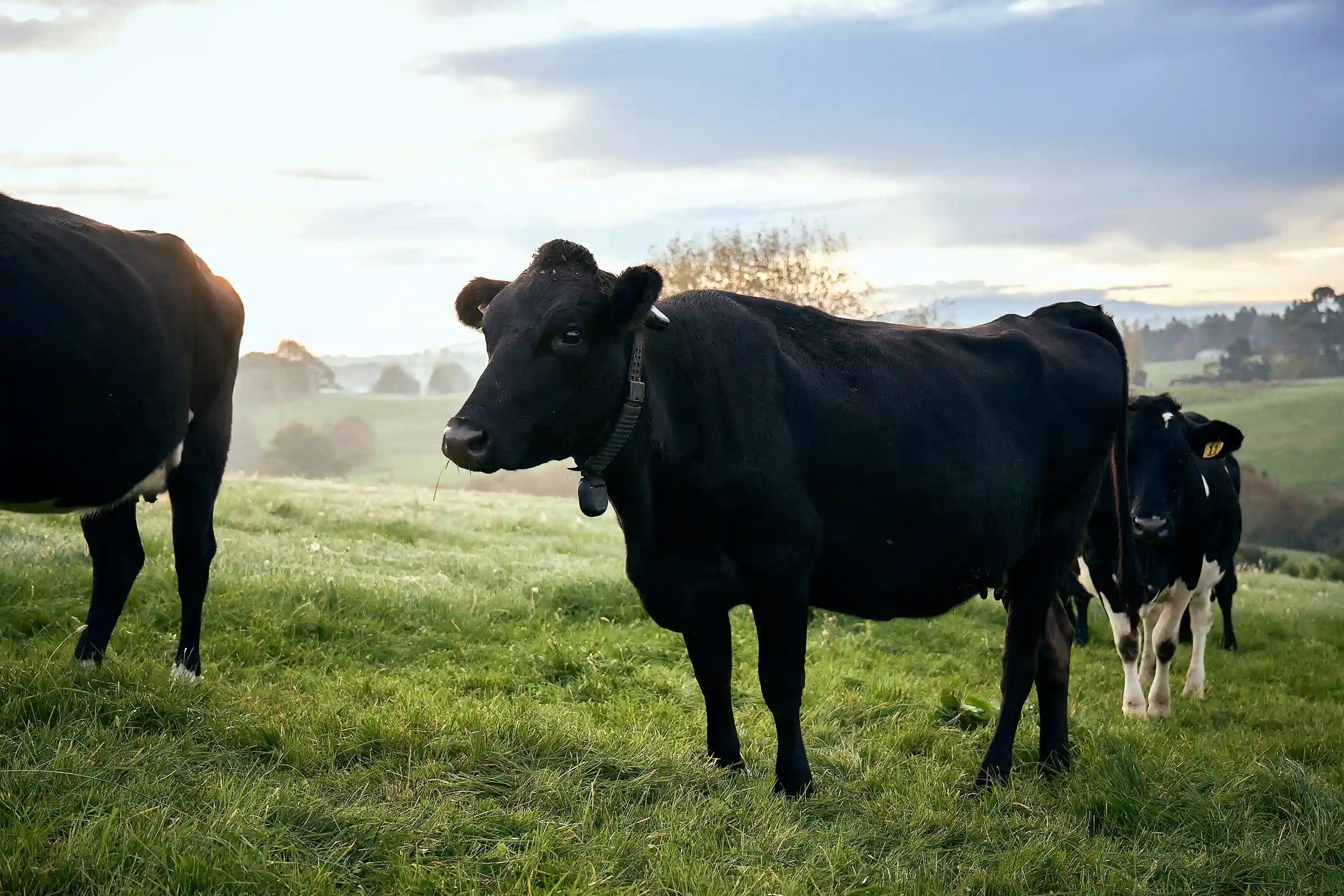
The team built a new, consistent cue: a vibration (similar to a phone vibrating) that activates when an animal faces and walks towards a new break. Beef cattle learn that the vibration indicates that there’s a new area ahead, and this results in calm shifting across many different systems.
This is a core example of how Halter’s Beef system is not dairy ‘reimagined’ - it’s designed and built specifically for beef cattle.
Product design built to match the beef farming reality
We didn’t stop at just changing the collar cues for beef cattle. The entire product was rebuilt to match how beef farmers actually use their land and manage their cattle.
Mob-based, not paddock-based
Beef farms need flexibility. Now farmers can run multiple mobs in different breaks within a single paddock, or draw breaks across multiple paddocks and make the most of water access at the same time.
Designed for extensive and intensive systems
From ranches covering thousands of acres to intensive operations with a focus on kgs product/ha, the system adapts to both ends of the spectrum, and farmers can finally graze the hard-to-reach places they’ve always wanted to utilise.
Reliable across all countries
Whether it’s a ranch in Montana or rolling hill country in New Zealand, the same system works - localised only for terminology. Pastures are paddocks and mobs are herds, but it’s all one and the same - a system that enables you to manage your farm in a more productive and sustainable way.
%2520Edited%2520(48%2520of%252064).jpeg)
The transformation for beef farmers
The value of Halter’s Beef product today is simple and powerful:
- Farmers know where their cattle are at all times
- They gain full access to graze the land without extra labour
- Rotations can speed up or slow down instantly from a couple of taps in the Halter app
- Extensive farms can finally graze with intention, not compromise
- Farmers gain back their time, and often their passion for farming
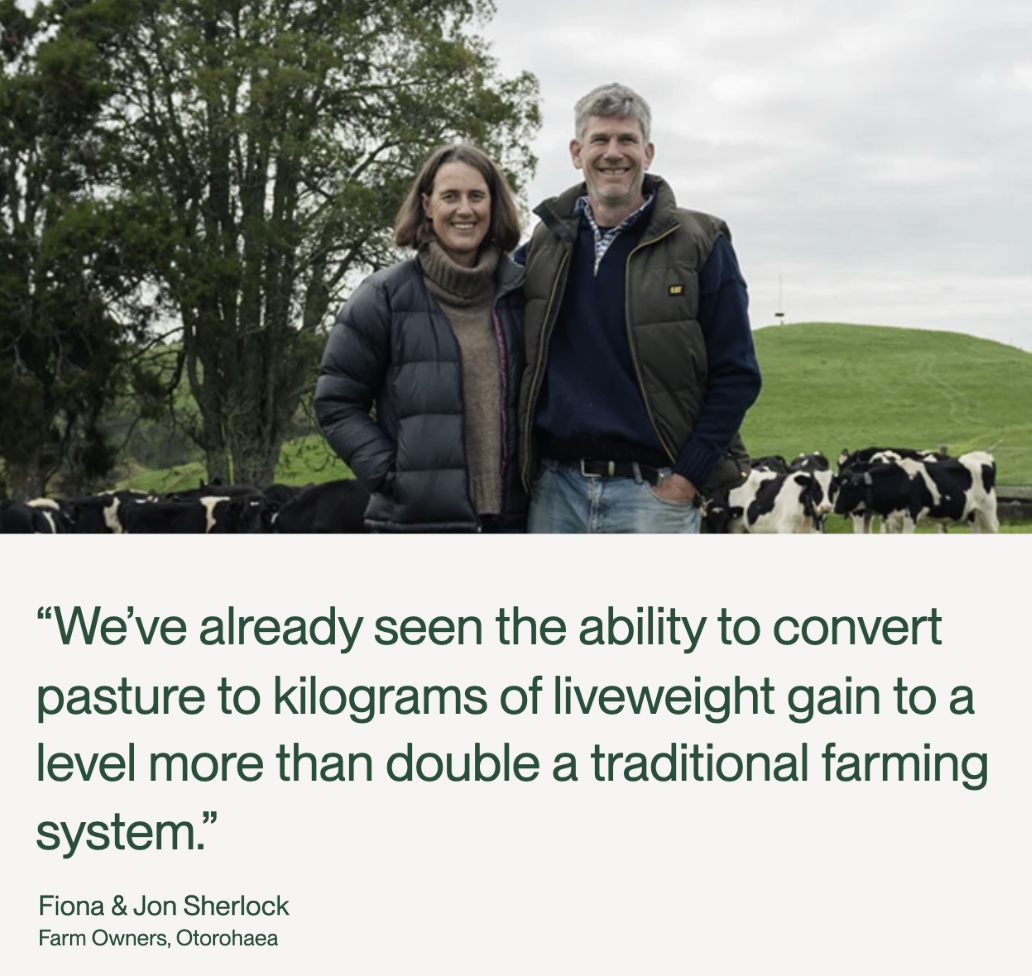
Many farmers describe Halter as the tool that helped them reinvigorate their love for farming, giving them confidence, and a clear path forward.
The future of Halter beef
With containment and shifting consistent across beef operations, we’re investing heavily in the next evolution of the system. While we have advanced pasture tools in our dairy product, we aren't just going to roll those out to beef farms and hope they do the trick.
Our team is designing planning and insight features shaped specifically around beef farming’s realities, all based on regular feedback from farmers currently using the product. No point building something farmers don’t need!
2026 will mark the next major leap - but the guiding principle remains unchanged:
Beef is its own product, and we'll continue to make it more valuable for farmers, ranchers and producers around the world.