

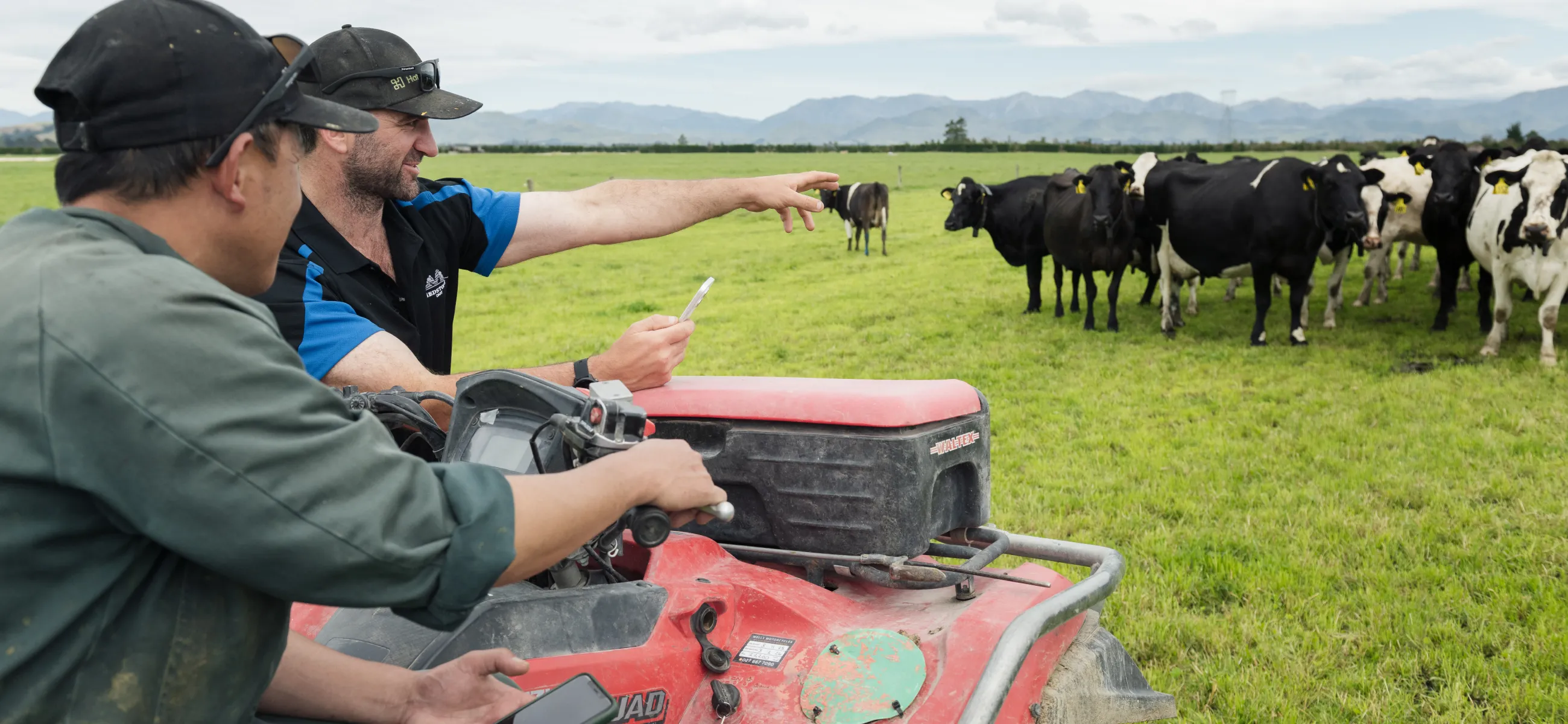
Every day, farmers are under pressure to lift productivity while cutting costs, find and retain good people, and care for their animals. At the same time, they’re caring for the land beneath their feet - protecting the environment, building healthier pastures, and making sure the farm is in good shape for the next generation to carry forward.
So how does Halter fit into the picture?
Across New Zealand, dairy farmers are seeing virtual fencing systems ease some of that pressure, but a big system change like this needs a proven Return on Investment (ROI) for many farmers to move forward. We've heard the amazing results time and time again from farmers using Halter, but evidence-based facts are much more meaningful than yarns at the pub.
An independent study by AgFirst and Transform Agri looked at ten high performing New Zealand dairy farms using virtual fencing with Halter. What they found wasn’t one silver bullet, but a pattern. Across different regions, herd sizes, and systems, farmers were seeing real returns - not because they were working harder, but because they were making better decisions, earlier.
Those returns came from a few core levers: pasture utilisation, labour efficiency, reproduction, and cost control. And they showed up in practical, measurable ways.
Here are seven ways dairy farmers are seeing real ROI with Halter, and how those gains are showing up on farm.
1. Profit Gains That Actually Stack Up
Why it matters
Production gains only matter if they translate into profit - simple as that.
What's changing on farm
Earnings before interest and taxes (EBIT) improvements typically don’t come from one change, but from many smaller gains stacking together - more pasture eaten, higher milk production, lower supplement use, reduced labour costs, and better reproductive performance.
On the ground results
Willowcliff Farm recorded a 29% increase in EBIT, driven by:
- +22% pasture eaten
- +19% milk solids per hectare
- Better feed utilisation reducing reliance on bought-in feed
Grassmere Farms (Manawatū) increased EBIT by 16%, combining pasture gains with a reduction of labour (-1.5 FTE). Simpler grazing management and fewer manual tasks reduced labour costs without sacrificing output.
2. More Pasture Harvested per Hectare
Why it matters
Pasture is the cheapest feed on farm and studies show that the best way to improve profitability is to improve pasture management - increasing the amount of pasture harvested from your land.
What's changing on farm
Farmers are using Halter’s pasture insights and virtual fencing to:
- Optimise their pasture management
- Improve feed allocation
- Hit consistent target residuals
- Adjust rotation length faster as growth rates change
- Reduce under/over-grazing
- Backfence, allowing pastures to recover and grow more quickly
On the ground results
Otamatahae Farm (Waikato) increased pasture harvested by 16.7% per hectare (12,600kgDM/ha). With better visibility of pasture cover and consumption, the team could allocate feed knowing cows would fully utilise each break. More frequent, precise shifts kept pasture in the optimal leaf stage and reduced wastage whilst maintaining or improving pasture quality.
3. Increased Milk Solids Production per Hectare
Why it matters
Milk solids per hectare is a core revenue driver, especially in pasture-based systems.
What's changing on farm
When grazing is consistent, cows spend more time eating high-quality pasture and regrowth is optimised. Stable energy intake supports more reliable milk production through the season.
On the ground results
Willowcliff Farm (North Otago) lifted milk solids per hectare by 18.7% (1853kgMS/ha). The gain came from matching cow demand to pasture supply more accurately throughout the season, rather than relying on fixed grazing plans. The result was fewer production dips caused by underfeeding or variable pasture quality.
What these first 3 gains have in common
Farmers aren’t just chasing one-off wins. They’re focused on the fundamentals of how grass is grown, allocated, and eaten. With better visibility and more control over grazing, decisions get easier. Feed quality is more consistent. Cows are more settled. All by using a tool on their phone.
The result is a system that’s easier to run and more resilient when conditions change - whether that’s weather, staffing, or feed supply.
The next 4 improvements start flowing into reproduction, labour, costs, and cow health.

4. Improved Reproductive Performance
Why it matters
Reproductive performance is important for a tighter calving spread, resulting in more days in milk, or lower replacement rates (good for genetic gain, profitability, and efficiency).
What's changing on farm
- Automated heat detection to take the pressure off staff
- Fewer missed heats
- Better timing of insemination
- Reduced empty rates
On the ground results
Kokoamo Farm (North Otago) reduced empty rates from 9.5% to 8%, with increased pasture eaten per effective grazed hectare and cows walking at their own pace, reducing lameness and therefore ability to get in-calf.
5. Fewer Hours With Less Pressure On Staff
Why it matters
Labour is one of a farm's biggest costs - and one of the hardest to manage. Back to back big weeks can lead to burnout and high staff turnover.
What's changing on farm
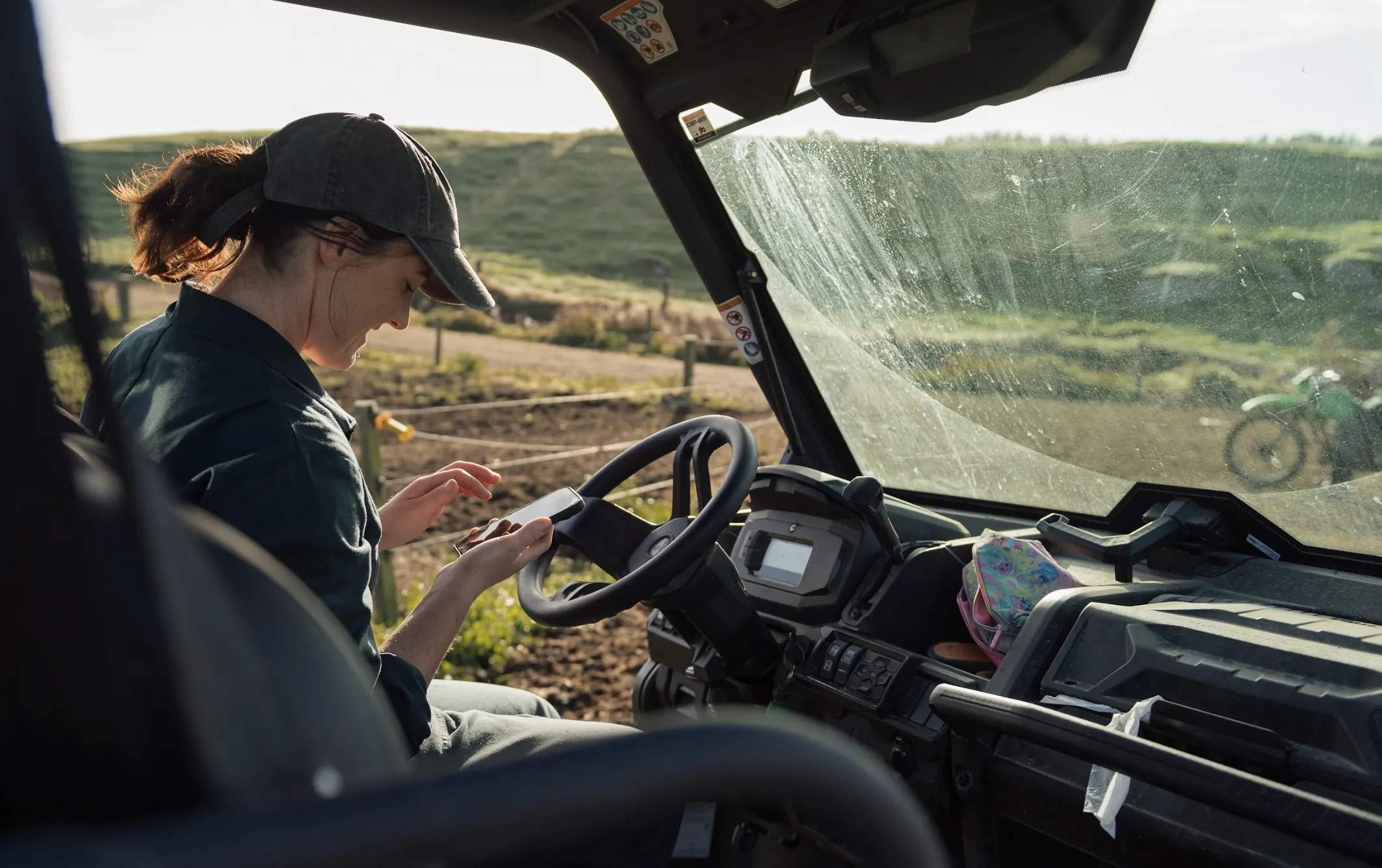
Virtual fencing simplifies on farm management. Less time is spent shifting cows, checking breaks, or setting temporary fences. More cows can also be managed per person when virtual fencing is used as a tool on farm, meaning more time to upskill staff, speeding up their development and learning.
On the ground results
Mountview Farming Trust (Bay of Plenty) increased cows per full-time employee by 47%. Grazing was managed through the Halter app, allowing the farm to scale output without scaling labour, lowering labour cost per kg/MS and easing staffing pressure. A happier and healthier team is always going to outperform a team that's run off their feet working their way from task to task with no rest.
6. Lower Input Costs Through Better Utilisation
Why it matters
Farmers are always optimising for lower operating costs with equal or improved output, and every dollar saved on feed or nitrogen improves margins.
What's changing on farm
- Better pasture utilisation reduces the need for supplements
- More accurate feed allocation avoids waste
- More targeted use of nitrogen applications
On the ground results
Kokoamo Farms (North Otago) increased pasture eaten by 7% while reducing nitrogen inputs. With clearer insight into pasture performance and demand, fertiliser use was targeted without sacrificing production.
7. Healthier Cows, Fewer Production Losses
Why it matters
Health issues reduce milk production, increase treatment costs, and add pressure to already stretched teams.
What's changing on farm
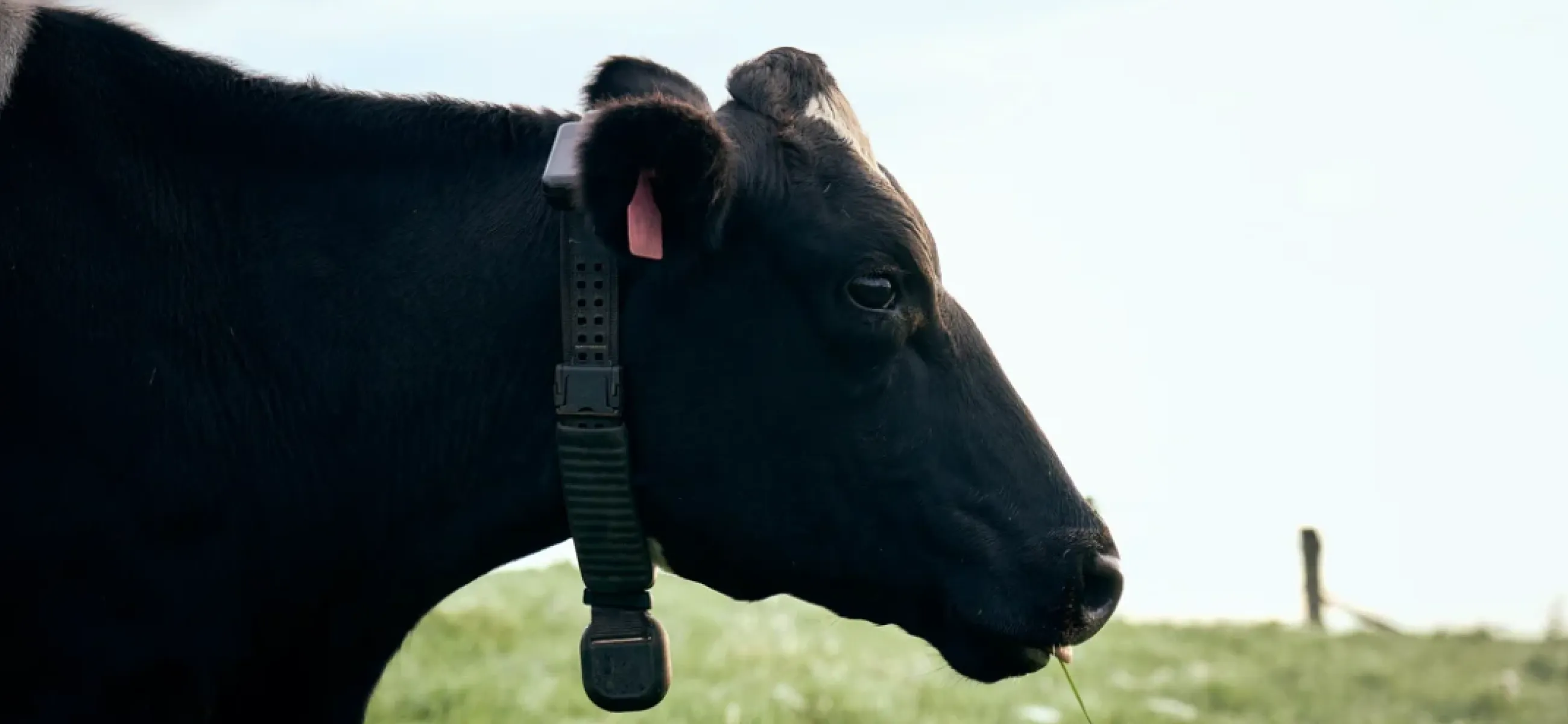
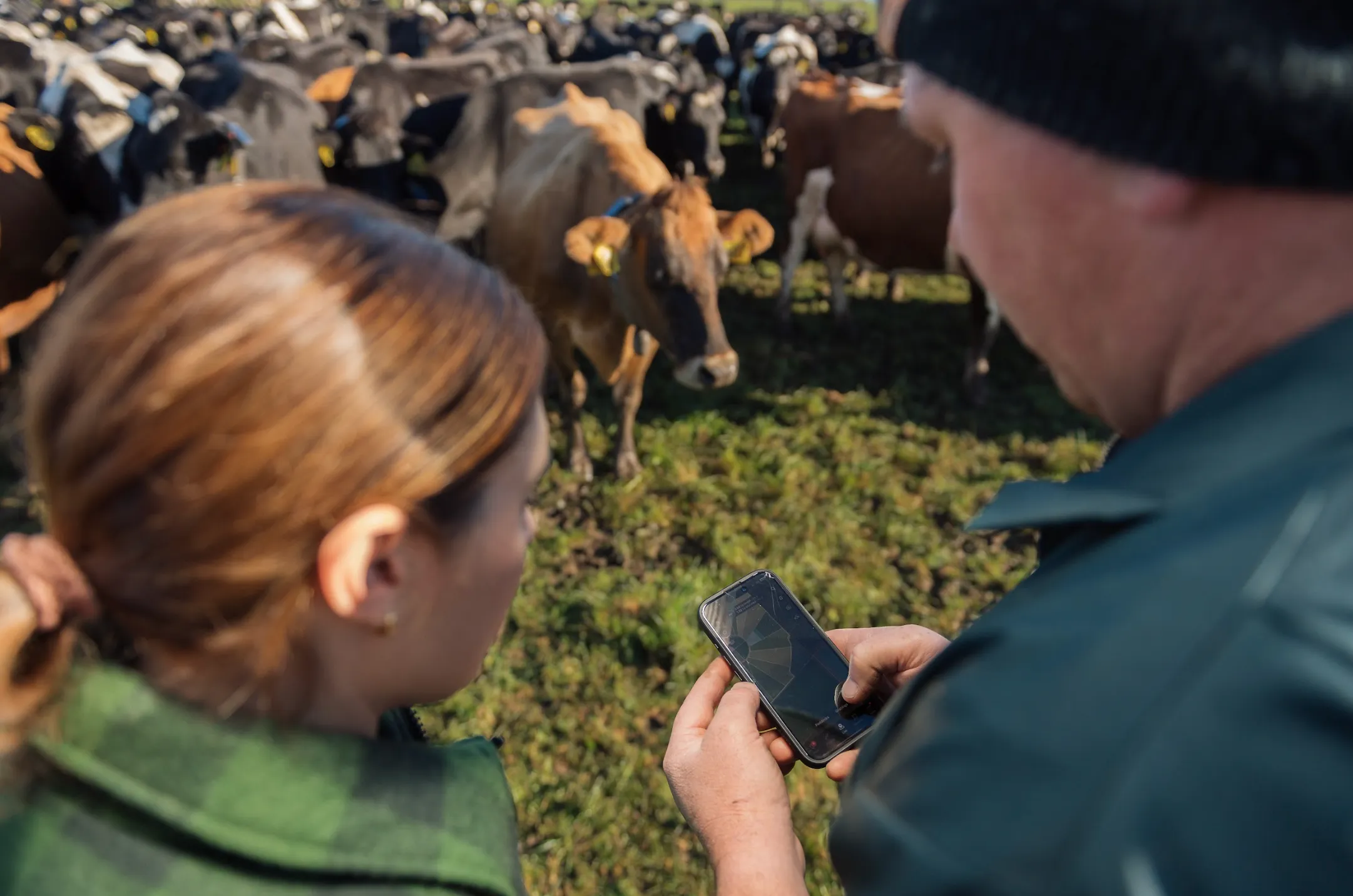
- Early detection of changes in movement, behaviour, rumination or grazing using collar data that's integrated into the Halter app
- Faster intervention before small problems turn into big ones
- Reduced impact of lameness and illness on production
On the ground results
Harakeke Farm achieved a 60% reduction in lameness. Earlier identification and treatment meant cows stayed healthy and comfortable, grazed more effectively, and spent more days in milk - reducing animal health costs and lost production.
The Bottom Line
The strongest ROI doesn’t come from just one feature - it comes from system-level change that's made possible with the Halter system.
Across very different farms, the pattern is the same. Farmers are harvesting more pasture, converting it more efficiently into milk, reducing labour pressure, tightening reproduction, and lowering costs, all by making faster, better-informed decisions.
Better utilisation, better outcomes, better profit.
Get in touch today to chat with a local rep about what Halter could look like on your farm - we're here when you're ready!