

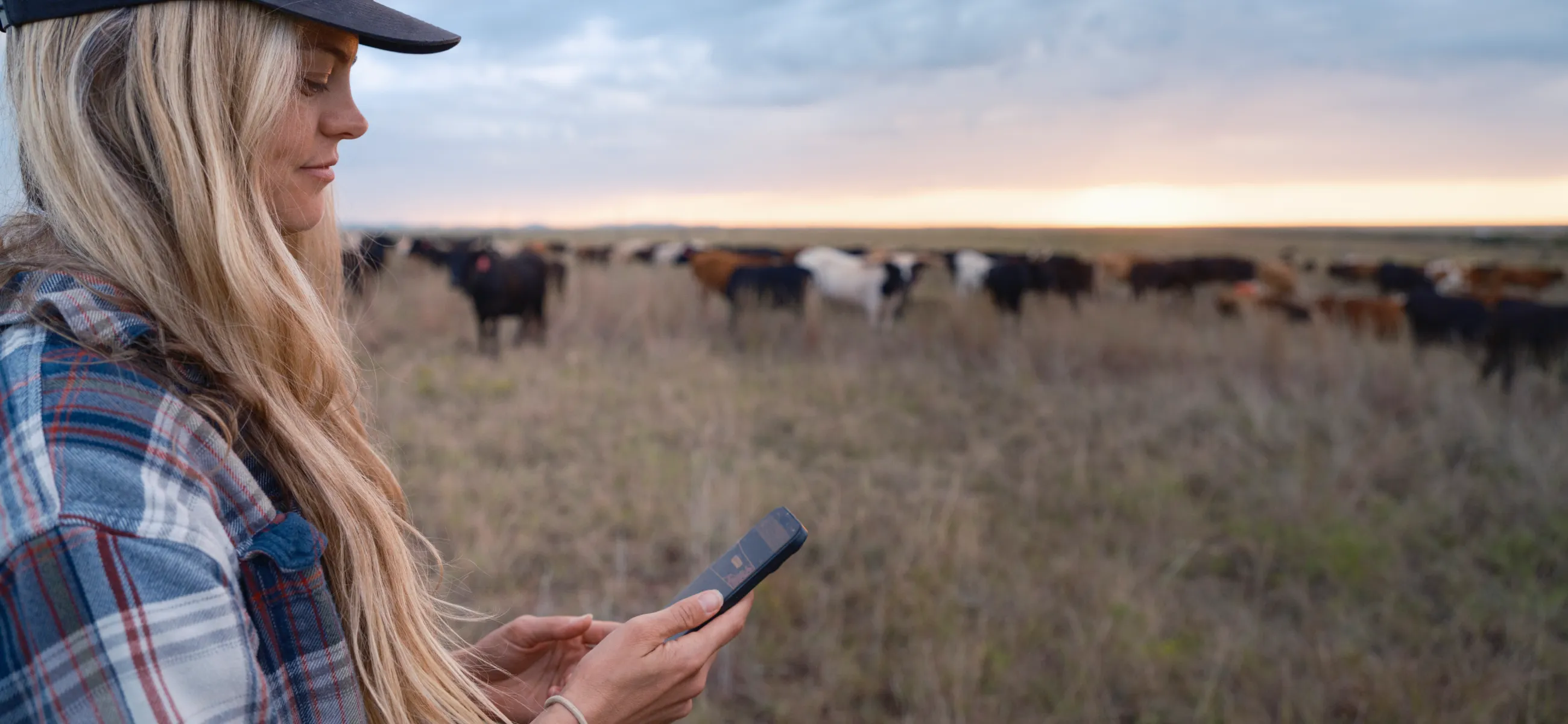
Three ranchers share how they're using Halter’s virtual fencing system to work smarter this winter
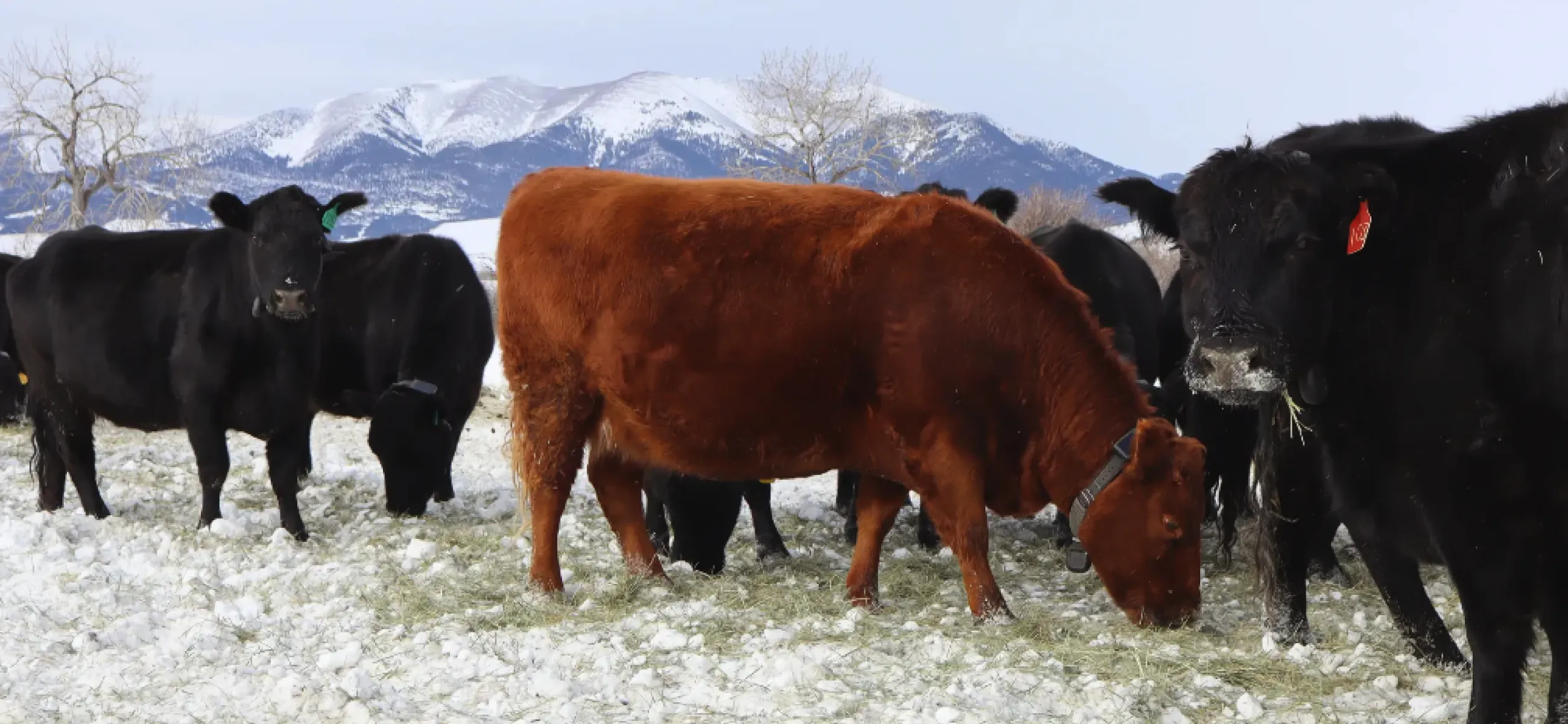
Winter management comes with its own set of challenges: frozen fence posts, labor shortages, long hours in the cold, and cattle that still need managing no matter how miserable it is outside. Over the past year, we've been hearing from ranchers who've figured out ways to use Halter that make winter suck a little less, whether it's winter-specific grazing strategies or year-round cattle management tactics that become even more valuable when weather's rough.
We talked to three operations about what they've been doing. Here's what they shared.
Bale grazing without dealing with frozen fence
Kurt Swenson runs cattle in North Dakota, and if you know anything about North Dakota winters, you know it gets cold. Really cold. Kurt's been using bale grazing to improve soil health in some depleted hay fields, but he was over the whole portable fence situation: moving posts in subzero temps, dealing with frozen ground, the usual headaches.
So he tried something different with Halter. He drops pins in the app where each bale is placed in the field, then sets up multiple breaks ahead of time and schedules the cows to shift to new bales every morning, bright and early, at 7 AM. Now there’s no fence to move. No frozen fingers. Just cattle moving themselves to fresh feed.
"One of the reasons we chose Halter was because of the solar power," Kurt says. "They were willing to guarantee that at our latitude, the solar batteries would be charged enough that we could utilize them for bale grazing all winter long. And so far it's worked excellent."
Halter collars are tested to work in temperatures down to -40°F, and the solar charging system keeps them running even through North Dakota winters. The manure distribution is looking good, the cows are hitting new bales on schedule, and Kurt's spending a whole lot less time outside in the cold. That sounds like a win to us!
Watch Kurt chat through how he bale grazes with Halter
Creep grazing fall pairs without extra fence
Christine Mushrush at Mushrush Ranches in Kansas has been using Halter for creep grazing with her fall pairs, and it's a simple setup that's paying off.
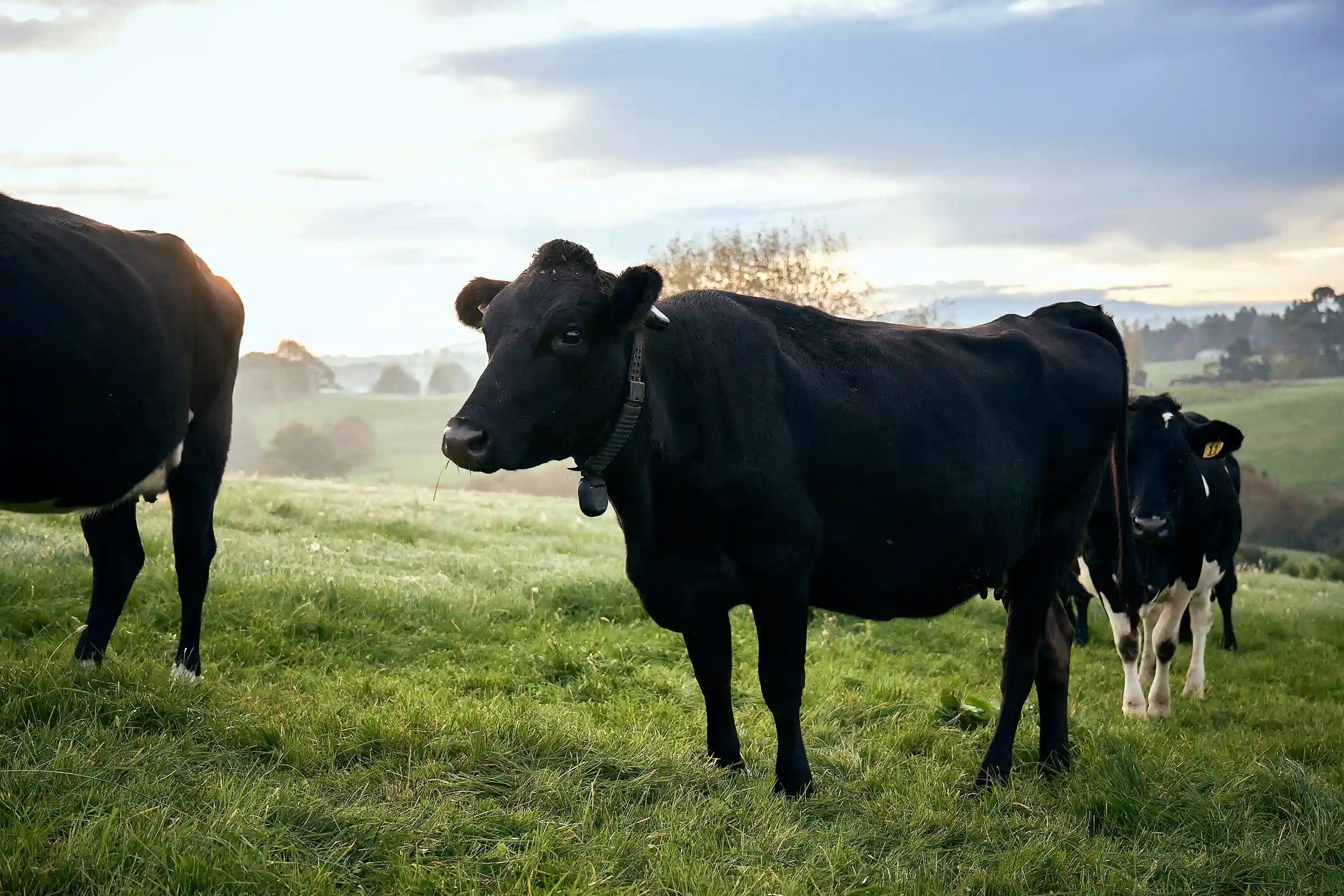
If you've got pairs out and the calves aren't wearing collars, you can hold the cows back in their break while the calves push ahead and graze the best stuff first. It's basically turning good grass into a creep feeder: calves get first pick, better gains, improved herd health, and you didn't have to build a single creep gate or string any extra wire.
"You can see we have a ton of calves ahead of the cows picking what they like to eat best," Christine explains. "This keeps improved herd health on all of our calves, plus increased gains. They're continually just going out, almost using the better grass as a creep feeder."
The reason this works so well comes down to how calves and cows graze differently. Calves are more selective and will go for the highest quality forage first, the leafy, protein-rich plants that fuel growth. Cows are less picky and will clean up what's left. When they're grazing together, cows often get to the best feed first simply because they're bigger and more aggressive. By holding the cows back with virtual fencing and letting calves move ahead, you're making sure the calves get access to that premium forage when it matters most for their development.
The weaning weights tell the real story, though. Calves with unrestricted access to higher quality pasture can add an extra 20kg through to weaning. At $5/kg, that's an extra $100 per calf. Scale that across your calf crop and you're looking at real money, without investing in creep gates or additional fencing infrastructure that only gets used part of the year.
Watch: How Christine creep grazes without gates
Moving 280 head four and a half miles solo
Koy Holland with Holland Ranch Company in Montana was part of a grazing project last summer using Halter on 280 replacement heifers. His summer range is up in the hills: 1,700+ acres with old fences from the 1940s, rough topography, and the usual issues with elk migration and hunting season messing with fence lines.
When it came time to bring those heifers down to the feedlot for preg checking, Koy had a four-and-a-half-mile trek ahead of him. He set up two breaks along the route and timed his shifts so the cattle moved themselves from one break to the next. He started them in the morning, let them shift to the first break, then moved them to the second break, and they walked themselves all the way down to the feedlot.
"I did it all by myself," Koy says. "I did have some help, but I could have did it by myself. Never could have did that before."
Four and a half miles. 280 head. One person. No horses, no ATVs, no crew. Just the Halter app and some planning.
Let’s do the labor math real quick. Gathering cattle typically requires multiple people, and if you're hiring day workers at $150+ per day, a job that used to take two or three people can now be done solo. Even if you're not paying wages, you're getting back hours that can go toward other ranch work or just not being out in rough country all day.
Watch: Moving 280 head across 4.5 miles without extra hands
Ready to give it a shot?
Kurt's saving hours of fencing work in North Dakota winters. Christine's calves are putting on better gains without a single creep gate. Koy moved 280 head four and a half miles by himself. These three ranchers are using Halter in ways that go beyond the basics, and the ROI shows up in time saved, labor costs cut, and overall better livestock performance.
Winter's hard enough without spending extra hours in the cold or hiring extra help for gathering. If you're already using Halter and any of these strategies could work on your operation, they're worth trying. And if you've got questions about how to set them up, our support team is here to help.
If you're considering Halter and want to see how it could work on your operation, reach out! We'd love to talk through what's possible.
Coming up next quarter: Spring and calving season management strategies with Halter. Stay tuned!