

What is virtual fencing?
Halter replaces hot wire, reels and standards, and interior fencing with a solar-powered cow collar - all through the Halter app. Draw a break in seconds in the Halter app, with cattle learning where the virtual fence is through sound cues and vibration.
Fence like you have an unlimited budget
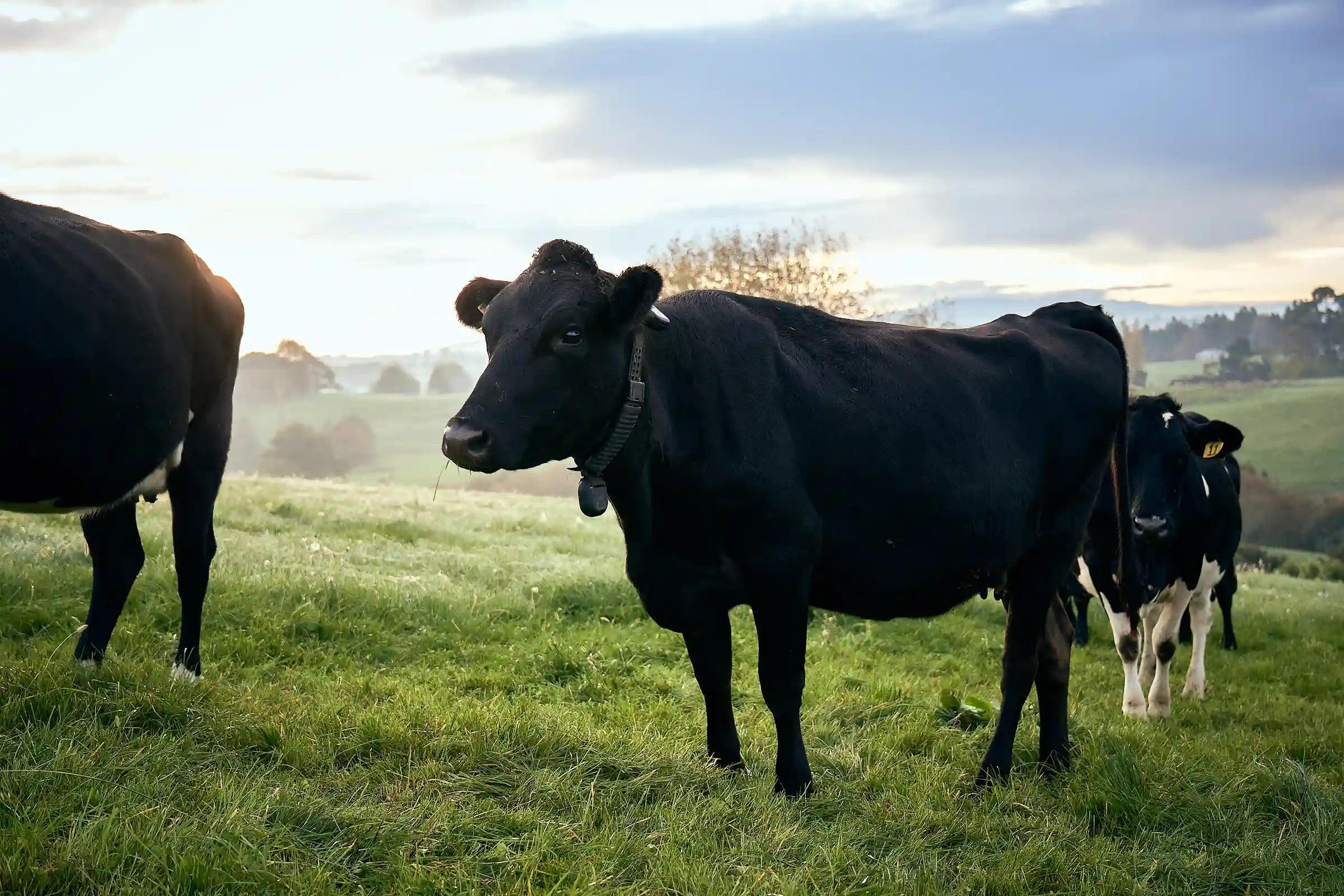
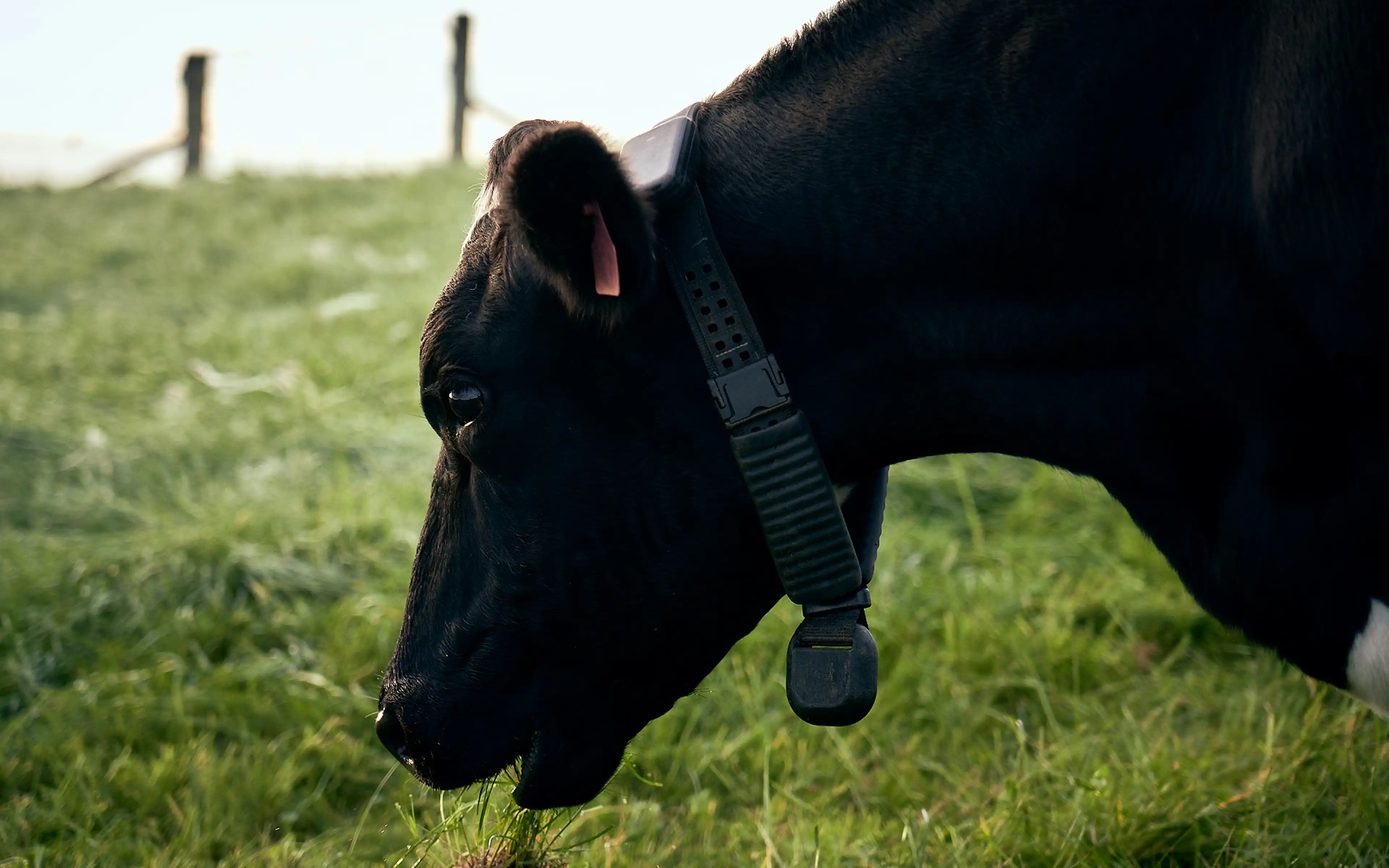
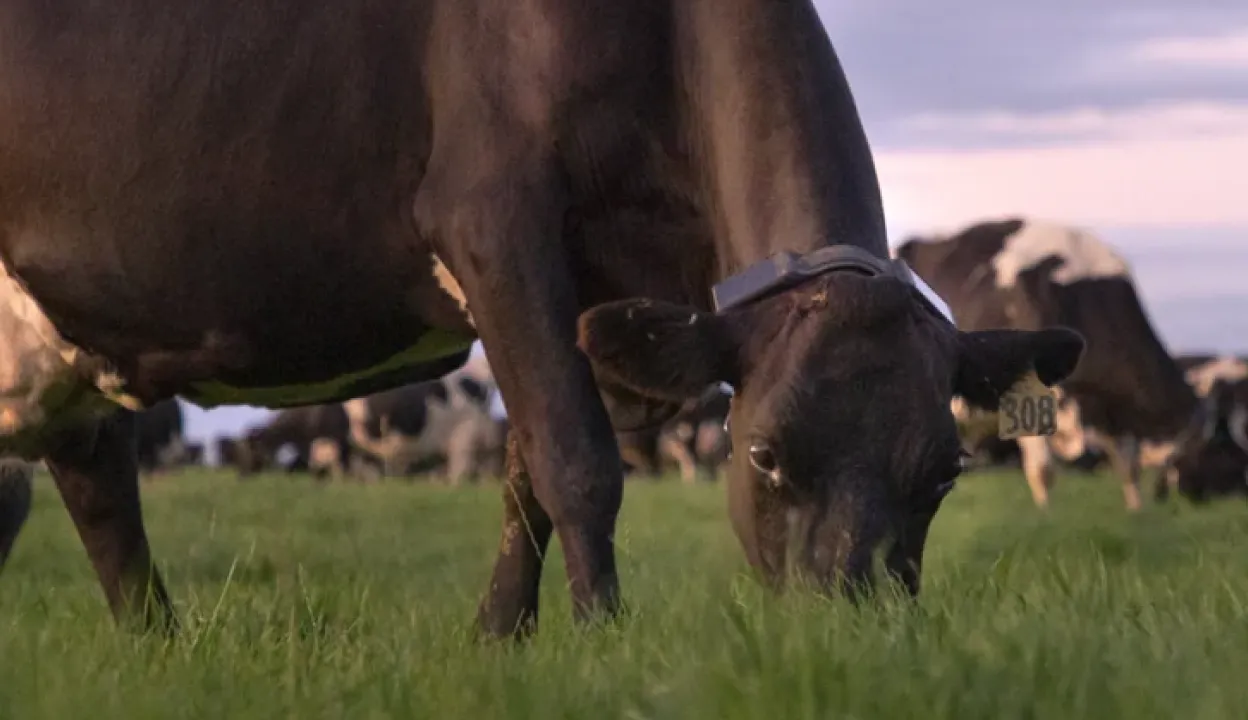
Every animal wears a GPS-enabled collar, and you draw virtual fences in the Halter app wherever you need them. When an animal crosses a virtual fence, the collar plays a sound cue from the side she needs to turn toward, and she turns back. Cattle learn it the same way they learn to respect an electric fence, except they hear this one instead of seeing it.
Halter is the only system that combines virtual fencing with animal guidance. Collars don’t just hold cattle where you want them. When it’s time to move to fresh grass, a vibration cue lets your herd know, and they move across at their own pace.
How virtual fencing works

Training & cues
Over seven to ten days, cattle learn how to respond to the collar’s sound and vibration cues.
Creating fences
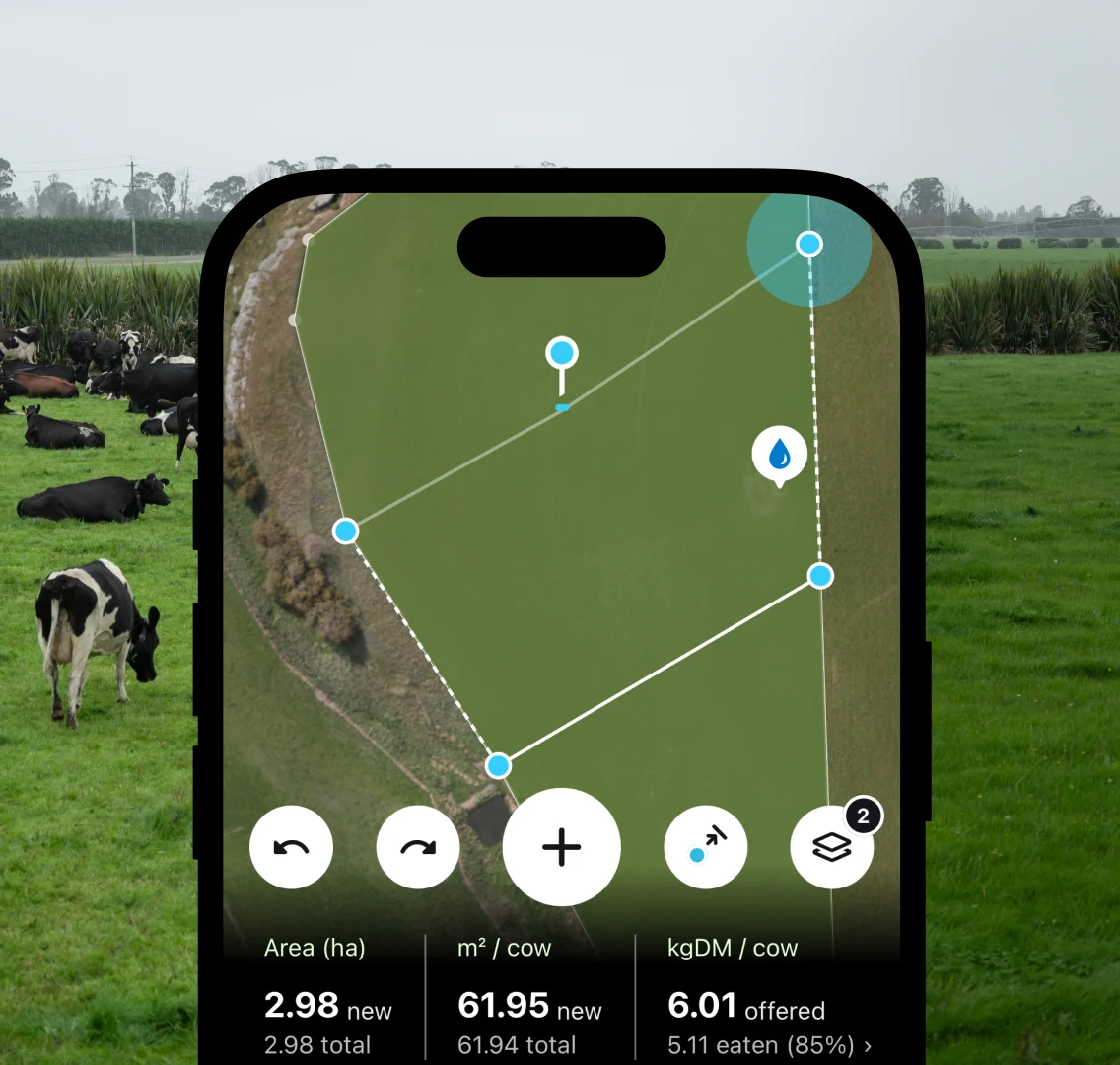
Draw a virtual fence anywhere on your farm in the Halter app, and your cattle stay inside it until you move it.
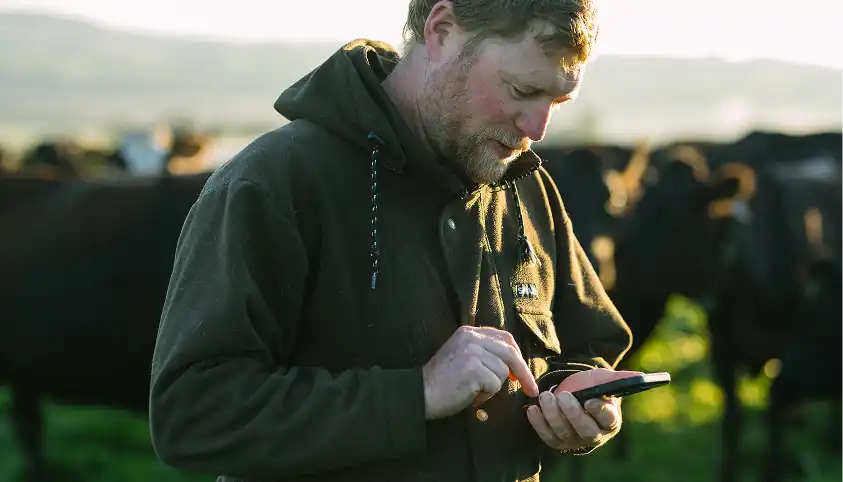
Managing your operations
Move cattle and keep track of every animal from your phone, then add grazing and herd data to plan ahead.
Cattle learn to hear the fence
For the first seven to ten days cattle are trained to hear and understand the collar, with most animals beginning to understand the system within 24 hours.
Sound: the fence line
Once an animal crosses a boundary, the collar beeps from the side she needs to turn toward. The beeping speeds up the longer she keeps going, slows when she turns her head, and stops when she walks back.
Vibration: walk on
A soft buzz, like a phone in your pocket, asks a standing animal that’s already facing the right way to move forward, usually towards fresh feed or the shed. It never controls speed.
A low-energy pulse, rarely needed
Only if sound (and vibration for dairy) are ignored, and never without them first. Every animal gets her own experience with the collar as it learns how they respond keeping the pulse at the lowest level that works for them, easing off as they settle in.
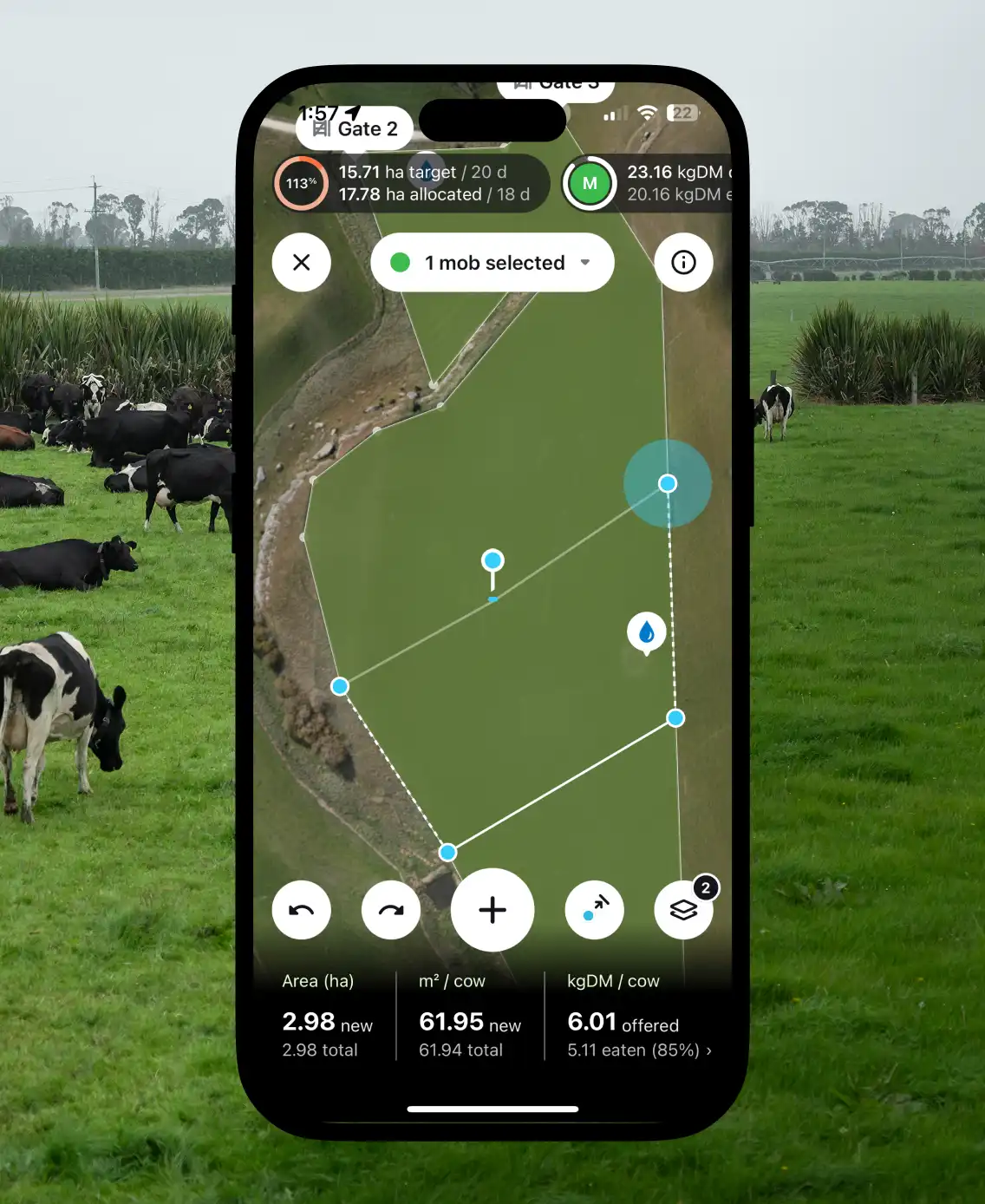
Draw fences from your phone
Open the Halter app, draw a line across the paddock, and that’s your break.
Breaks and back fences in seconds
Allocate exactly the feed you want, hold cattle off the grazed area, and move the line again tomorrow. Every break is logged, you can track residuals and grazing pressure.
Fence off anything
Waterways, wet corners, new grass, erosion-prone slopes, crops. As conditions change, you can adapt quickly.
Know where every animal is, 24/7
Each collar reports its position, so the map shows the mob where it actually is. If an animal is somewhere she shouldn’t be, you’ll know before you drive out.
Schedule your next shift
Set the break and the time, and the mob moves itself. Dairy herds respond to a shift in around 90 seconds; beef mobs are given as long as they need to drift across to fresh pasture.
For beef operations, collars connect by satellite. No towers to build, no cell coverage needed. Fence rough hill country, leased ground, public land and seasonal country with nothing on the land but collars. See the technology
Fencing is just the start
Shift mobs with a tap
Move cattle to the next break, the shed or the yards from your phone. Dairy herds get active guidance; beef mobs drift across at their own pace.
Know your covers without walking them
Automatic pasture cover and growth rates for every paddock, with feed wedge and budgeting tools to plan the round.
Spot the cow that’s off before you would
Collars track grazing, rumination, resting and movement around the clock, flagging heats and health changes early.
Every grazing, on the record
A full history of fences, shifts and residuals, with your key metrics tracked against the targets you set.
Go deeper on virtual fencing
Virtual fencing and animal welfare: what the research says
Independent findings on collar cues, stress and how quickly cows adapt.
The collar, the towers and the satellite: how it all connects
Solar-powered collars, direct-to-satellite connectivity and the app that ties them together.
How cattle are trained to a virtual fence
The seven-to-ten-day programme, the standards behind it and what a cow’s first day looks like.
What would you do with extra hours in your day?