

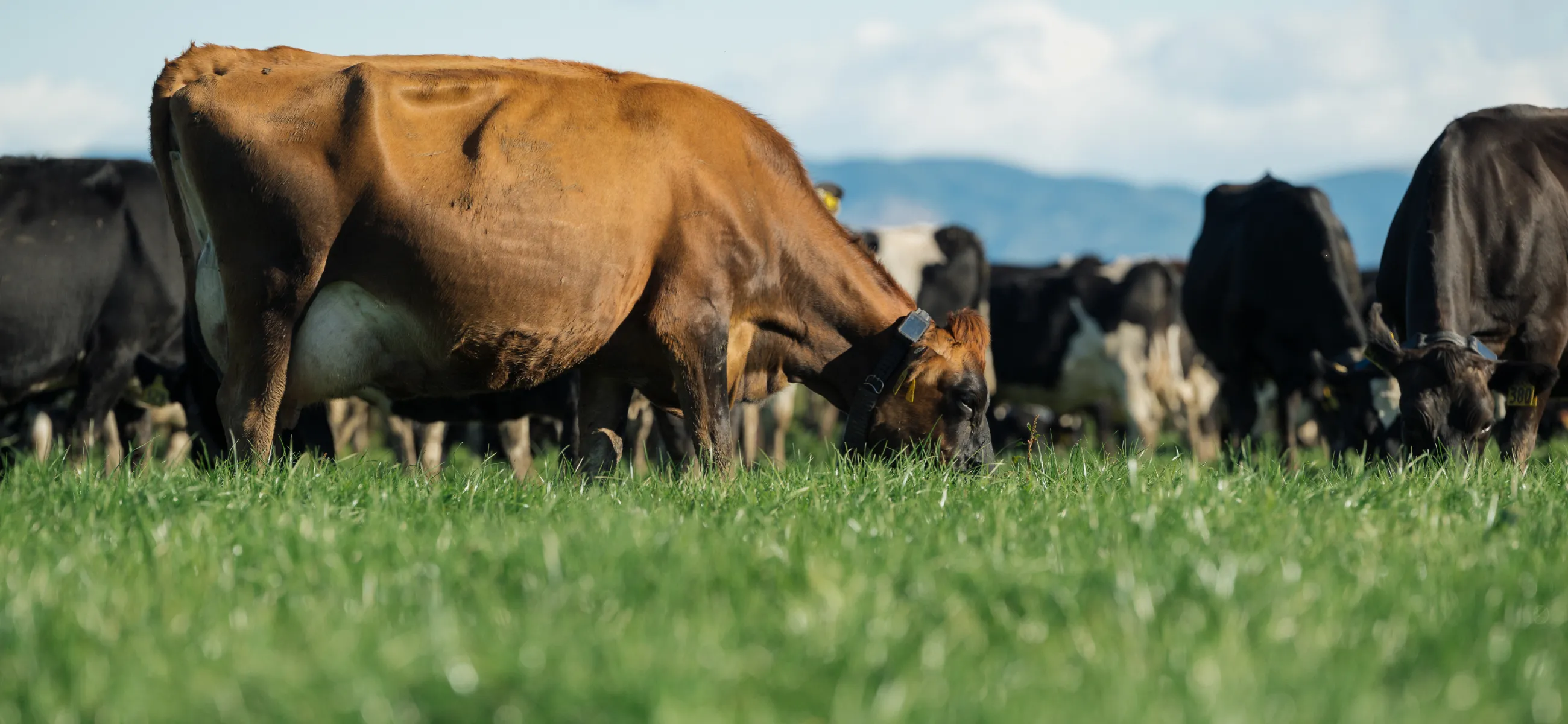
What does the future dairy farm in New Zealand actually look like?
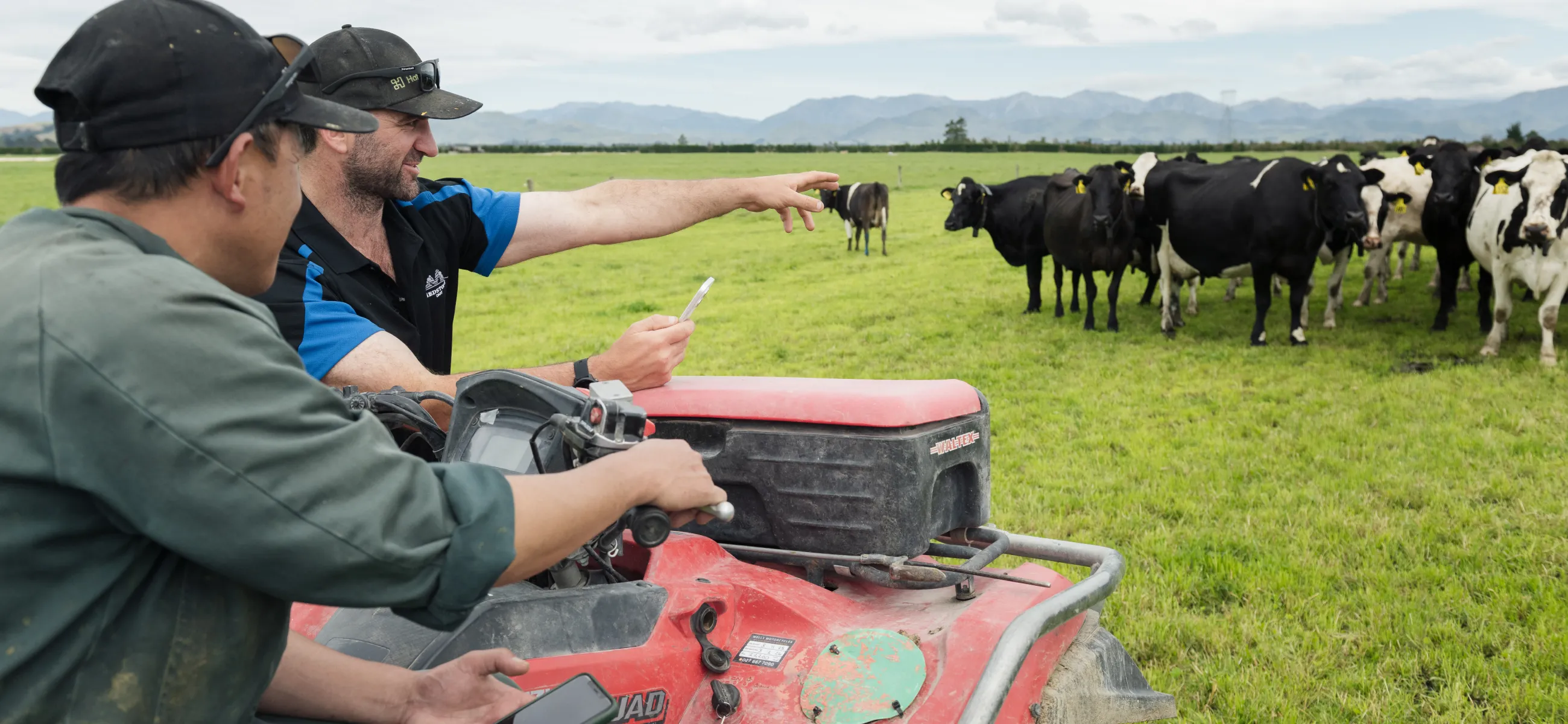
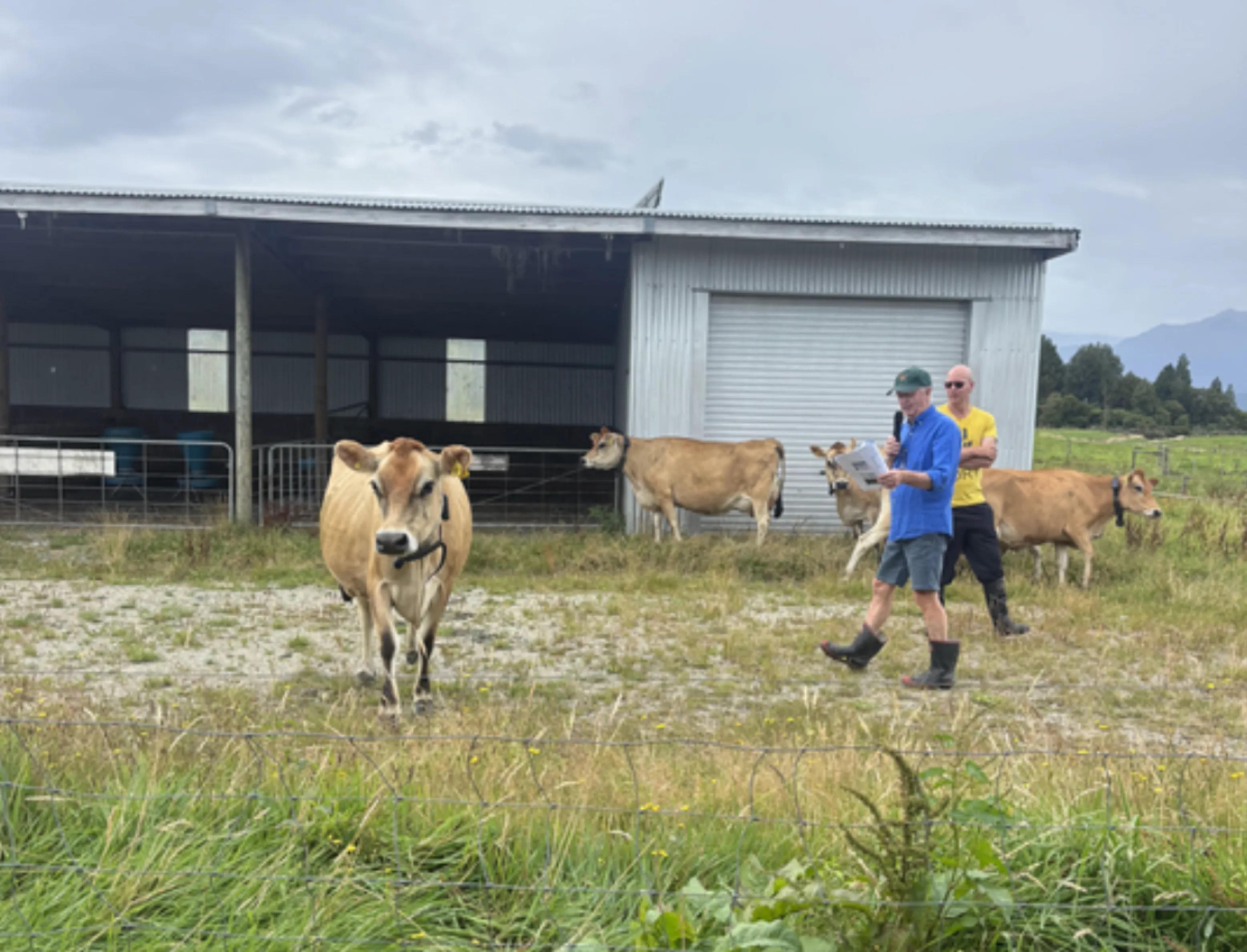
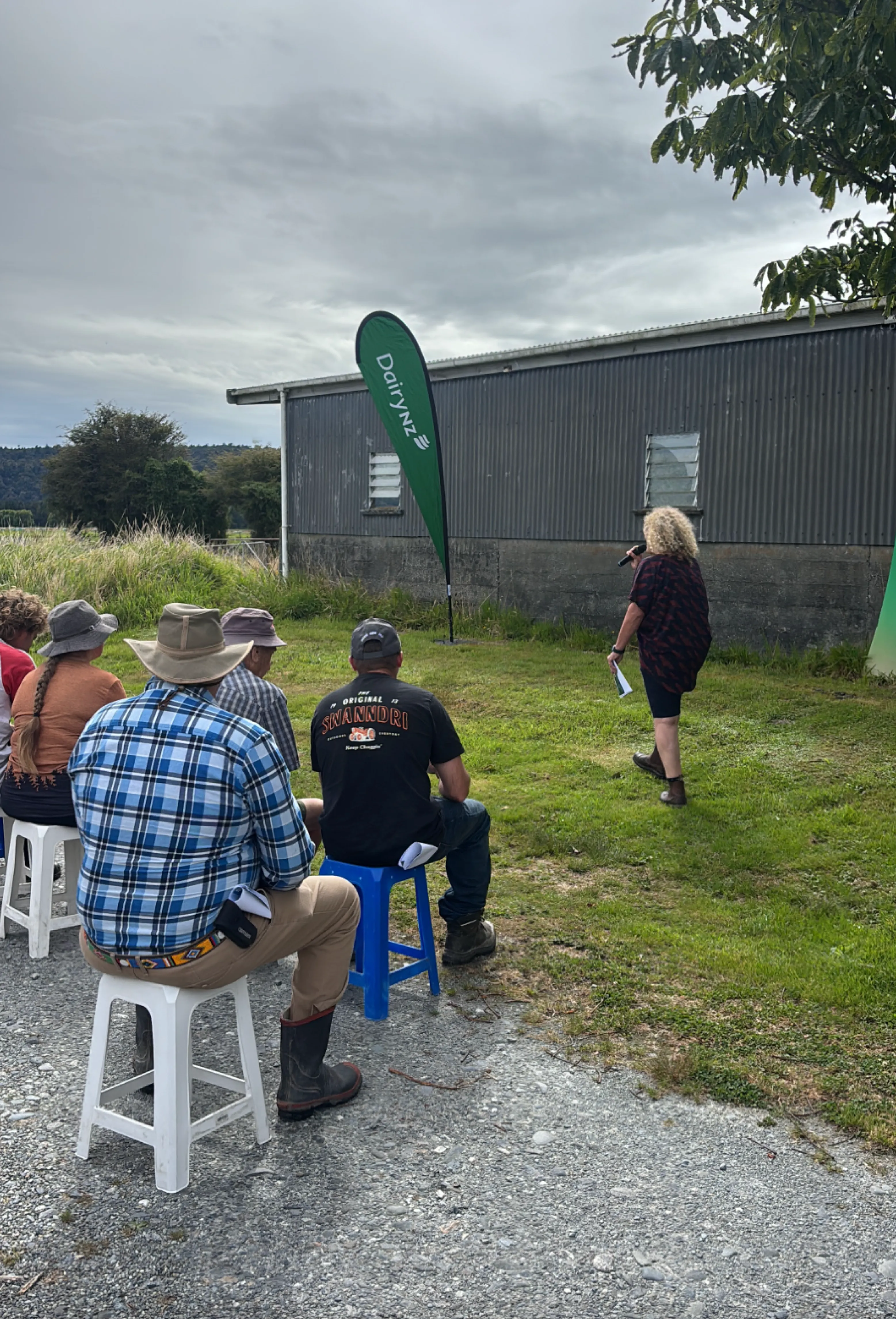
That was the focus of DairyNZ’s recent event: Building Your Future Farm on the West Coast, hosted at Ron and Jackie Monk’s Kokatahi property near Hokitika.
Farmers donned their best pair of Red Bands and gathered to discuss profitability, pasture management, staff challenges, and how wearable technology and virtual fencing in NZ are changing the way progressive farms operate.
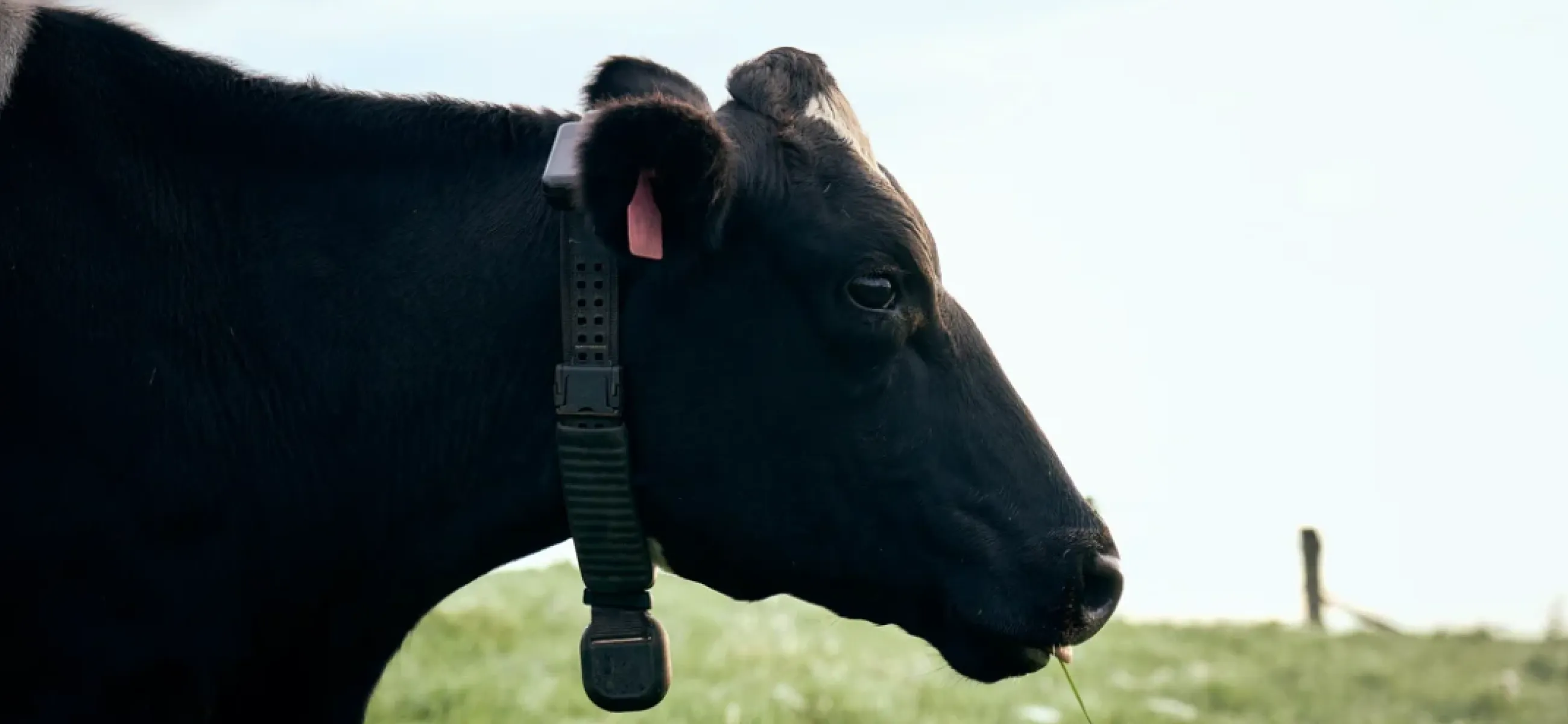
One of the most practical sessions came from AgFirst CEO James Allen, who shared insights on wearable technology for dairy farms, followed by ROI findings from the independent study run by AgFirst calculating the ROI on 10 Halter farms.
Here are the key takeaways from the event.
Firstly, what problem are you trying to solve?
Before adopting any new farm technology, James emphasised one thing:
Know your why.
Wearables and virtual fencing systems are powerful tools, but only deliver value if they solve a clear problem.
Farmers considering wearable technology should ask themselves:
- What bottlenecks am I trying to remove?
- Where am I losing pasture or productivity?
- Am I prepared to use the data to improve decisions and change the way I’m currently doing things?
- Do I have team buy-in?
On high-performing dairy farms, technology isn’t layered on top of poor systems; it’s introduced with purpose and regularly reviewed to make sure it’s helping the farm achieve it's goals.
Technology doesn’t replace basic farming fundamentals
A message that resonated strongly with the group:
Wearables aren’t a blanket fix for all farms - they're simply making good farms better.
Every farm included in the independent study was well managed before adopting virtual fencing technology.
They already:
- Focused on pasture harvested
- Managed rotations carefully
- Regularly measured farm performance
- Made disciplined decisions
What wearable technology gave them was precision. More visibility over every cow, better control over pasture allocation, and faster decision-making.
Lifting pasture harvested with virtual fencing
One of the strongest findings from the study:
All 10 farms lifted pasture harvested after implementing Halter - generating a positive return on investment.
The lift was due to a number of different factors:
- More controlled grazing
- Improved pasture utilisation
- Faster rotation adjustments
- Daily micro-decisions backed by data
By being able to manage each cow individually and allocating feed more precisely, farmers were able to optimise every square metre of grass.
For NZ dairy farmers, pasture utilised remains one of the biggest drivers of profitability - and wearable technology is becoming a practical and more commonly used lever to improve it.
Attracting and retaining farm staff with technology
Another great discussion was around talent attraction and retention on farm. Hiring for farms is notoriously tricky, with high turnover rates each year for a multitude of reasons.
Farmers at the event shared that staff are increasingly choosing to work on farms using modern technology.
Wearable technology and virtual fencing systems:
- Reduce repetitive manual jobs, freeing up time for more important tasks
- Create safer working environments with less time out in the paddocks at night
- Make farm roles more skilled and data-driven
- Position farms as progressive workplaces
In a tough labour market, adopting technology isn’t just a productivity decision - it’s now becoming a recruitment strategy as well.
The future dairy farm is built on micro-gains
On of the most powerful insights of the day:
Future farm performance won’t come from one big change. It will come from consistent micro-gains.
The farmers seeing strong returns from wearable technology weren’t necessarily working fewer hours - they were working differently. Less time physically shifting cows. More time analysing data. More proactive decisions.
Small, daily adjustments that add up over time - that’s how pasture harvested increases, how efficiency improves, and how profitability grows.
If nothing changes, nothing changes
Installing wearable technology on your dairy farm won’t automatically improve results. Technology simply creates the opportunity, and farmers create the outcome.
Those seeing the strongest performance gains on farm are those who:
- Engage with the data regularly and use it to make different decisions on farm
- Bring their teams on the journey
- Actively choose to farm differently
So, what will make the future NZ dairy farm successful?
Based on conversations at the event, farmers believe the following are all important:
- Data-backed decision-making
- Controlled grazing with virtual fencing
- Better pasture utilisation
- Improved labour efficiency
Wearable technology isn’t replacing farmers. It’s equipping great farmers with better tools, and helping high-performing farms unlock their next level of productivity.
Get in touch today to chat with a local rep about what Halter could look like on your dairy farm.