




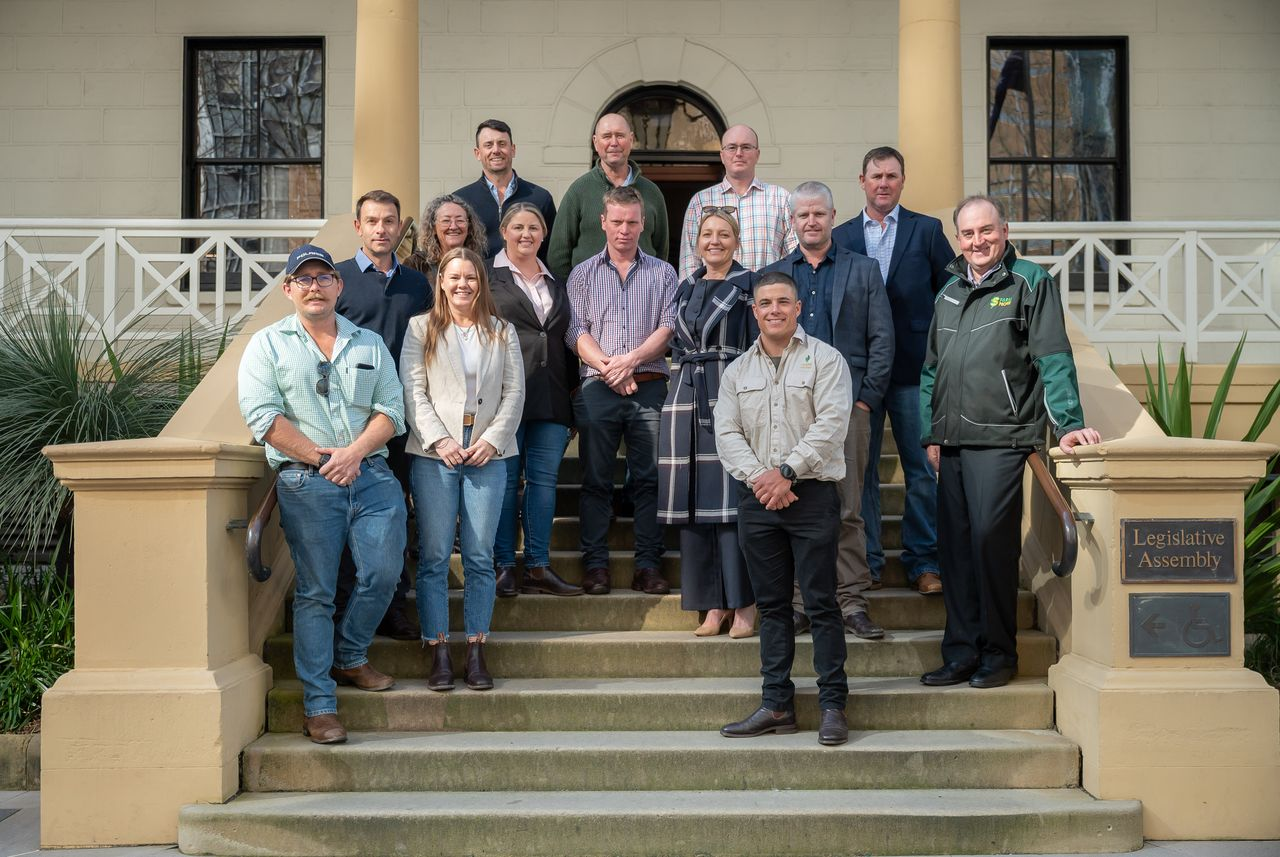
Virtual fencing technology is legal in Tasmania and Queensland but still illegal in New South Wales, South Australia, and Victoria. Labor Agriculture Minister the Hon Tara Moriarty was questioned on progress with regulatory change at budget hearings today, with farmers eager to adopt the new technology.
Hon Moriarty told the committee she had announced in April that the Labor government was committed to legalising virtual fencing, and her department had been conducting consultations with "a range of stakeholders'' since then. That work had now concluded, and officials were in the final stages of drafting the regulations, she said.
Virtual fencing reforms have had bipartisan and cross-bench support in NSW. In answer to a question by Estimates Committee chairman Mark Banasiak on when farmers could expect to be able to start using the technology, Minister Moriarty said: "I do want to have this in place in the next couple of months - so, this year.''
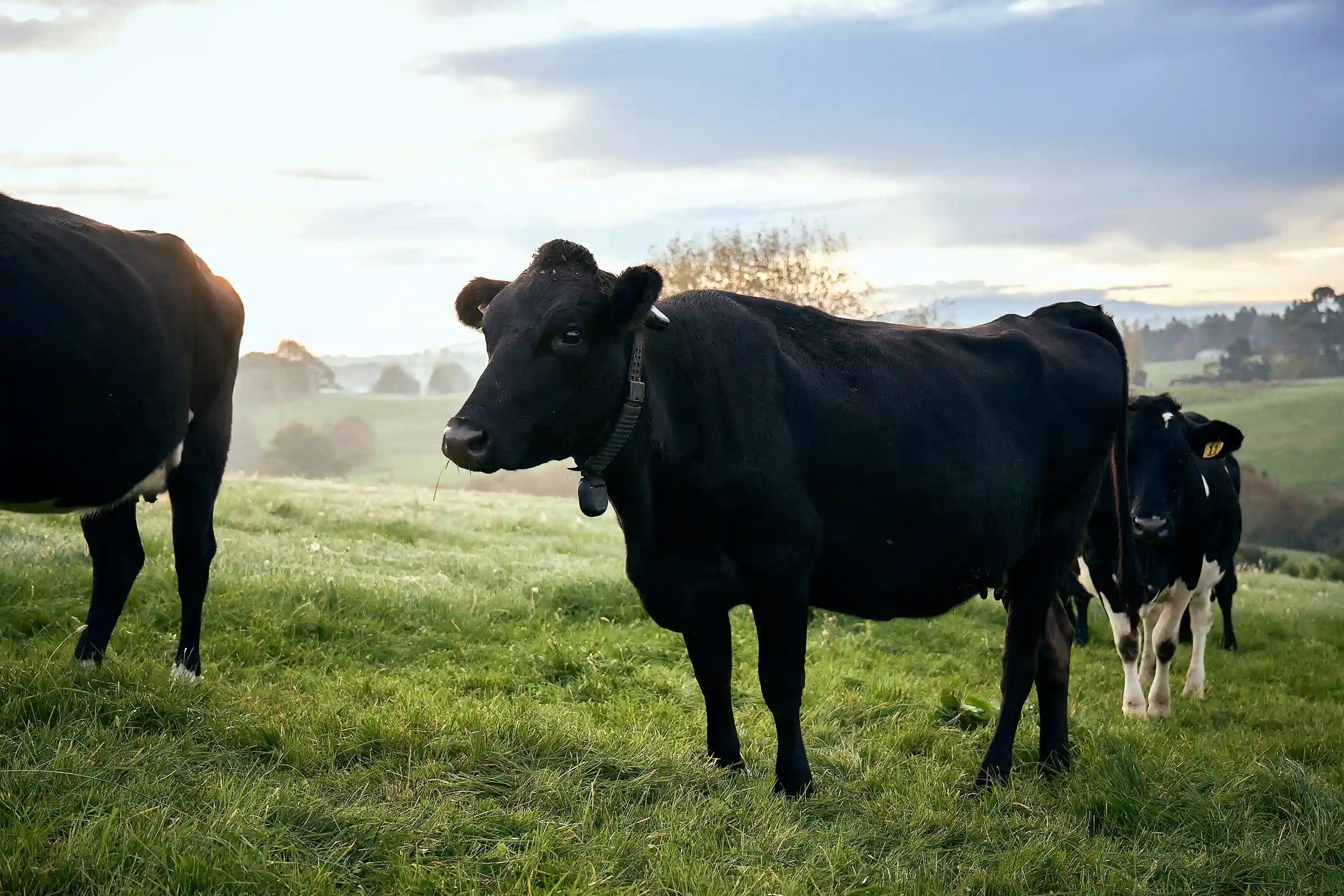
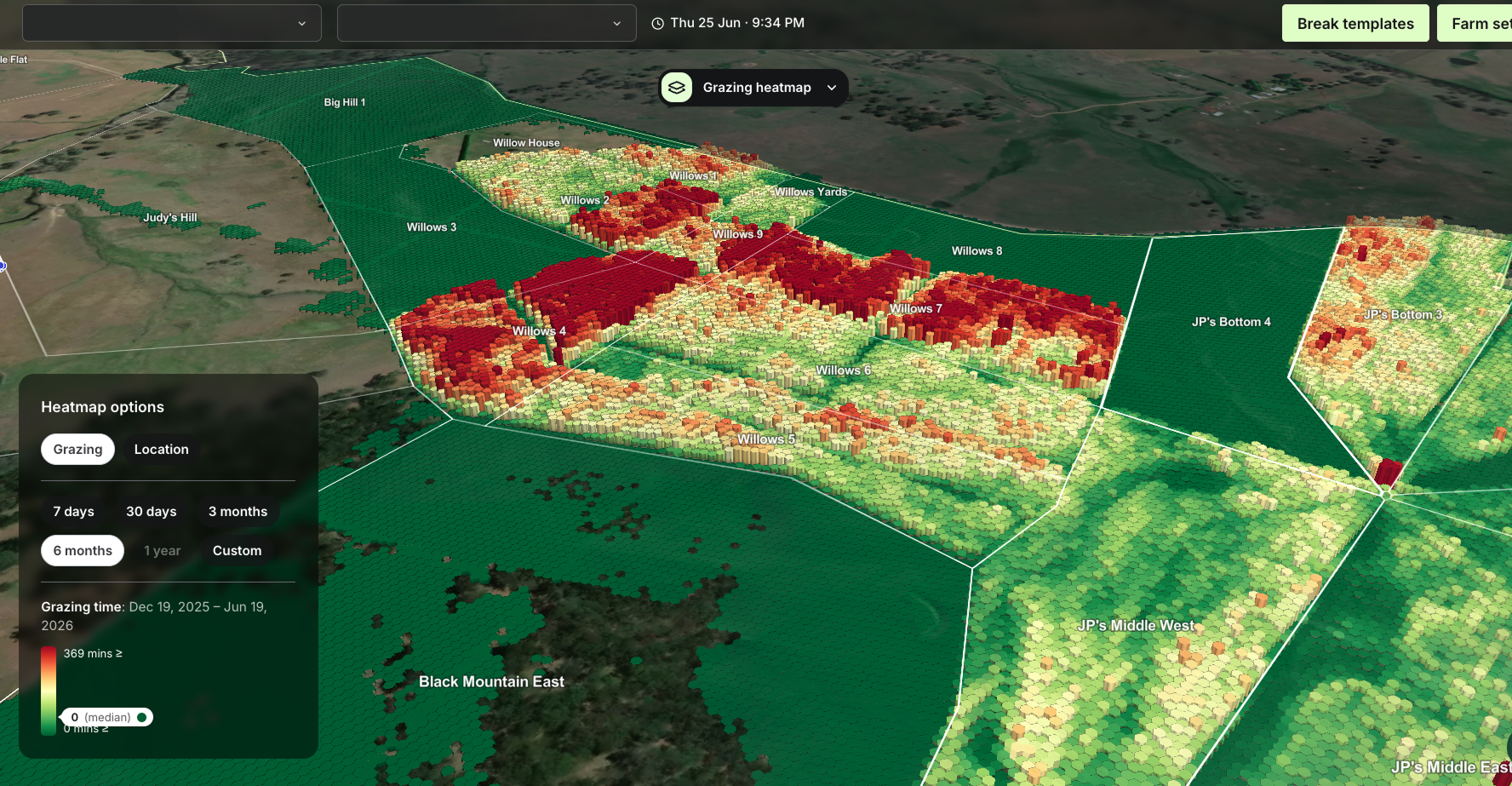
Virtual fencing is used to contain, move, and monitor cattle without the need for physical internal fencing, instead using smart collars that use GPS technology and sensory cues to manage their movement, as well as monitor the activity, health and welfare of cattle.
Speaking outside Parliament, farmers expressed cautious optimism at the Minister's assurances, but said a change in the rules couldn't come soon enough. Fifth generation North Coast dairy farmer and director of Dairy Australia, James Neal, said: "The challenge is, you hear from New Zealand and Tasmania how dramatically how things have changed there. And we're going to get left behind compared to other dairy farmers...we need it now.’’
“I think virtual fencing is absolutely going to be a massive game changer for the dairy industry, because… virtual fencing has a huge potential to massively improve productivity. There are a lot of things that are mundane and little jobs that we don’t necessarily need to do that we can eliminate. It’s also got OH&S improvements as well.’’
“I think it’s important to support the virtual fencing legislation so we can get it in as soon as possible. I’m a flood affected farmer and and having virtual fences is going to help us in the circumstances we’re currently facing.’’
Texas, Queensland beef farmer Lachlan Ogden said: “Half my property is in QLD and half is in NSW. I've got an invisible line through the middle which is the state border - I can have cattle on the QLD side which is legal, (but) if they walk across the river I’m breaking the law. I don't want to be running a separate system in Queensland and New South Wales - it doesn't make sense.’’
"I was really encouraged to hear Minister Moriarty mention that in the next couple of months we could be getting access to these collars... I'll probably take this and go back to the Queensland/New South Wales border and start planning to walk the cattle from one side to the other and not be breaking the law.’’
Hunter Valley dairy farmer Andrew Farr said: “We’d like the government to change the regulations to improve our farming system. Virtual fencing will change our system enormously and increase efficiencies in terms of moving stock, grazing, and the overall efficiency of our business.''
About Halter
Founded in 2016, Halter is the leading operating system to run a dairy or beef farm. Thousands of farmers in New Zealand, Australia and the US use Halter to run their farm, with new customers going live daily. Halter is headquartered in Auckland and employs over 200 people across New Zealand, Australia, and the US.
Media Contact
Colin Espiner
0275046294
colin.espiner@halter.co.nz

%20(1).png)

