

In Potter Valley, five generations of women shaped a ranch, and new tools are helping them carry it forward.
There is cracked plaster above Grace’s desk at Ingel-Haven Ranch, the marks of a house that has carried generations and is still standing. Grace describes it almost with affection, the way someone might notice the lines around a person’s eyes and recognize a life that has been lived.
The house in Potter Valley, California has been holding women for more than a century, carrying the weight of decisions made long ago and the pattern of people choosing, again and again, to return.
Grace’s great-grandmother Helen first walked through that doorway in 1919 after her father bought the land so she and her new husband could settle there while he was still strong enough to help them get started. It was the kind of gesture families make when land is both livelihood and inheritance.
%201_1x.webp)
Helen stepped into a life shaped by livestock, weather, and land that asks something of you every single day and doesn’t much care if you’re tired. Helen met this demand head-on.
“You did not get between her and a chicken she was going to slaughter. She was a serious, serious lady,” Grace says.
Seriousness can become its own inheritance. Helen raised two daughters on the ranch, and one eventually bought out her sister and continued the operation with her husband. The ranch moved forward because a woman chose to stay, and it moved forward again because another woman returned.
Another Helen belongs in the story as well. Grace’s aunt Helen grew up on the ranch and later returned in the 1970s and 1980s to run a children’s summer camp there. Kids from the nearby cities would arrive each summer and sleep in tents and cabins while learning to ride horses and explore the ranch. For many of them it was their first real experience of the land.
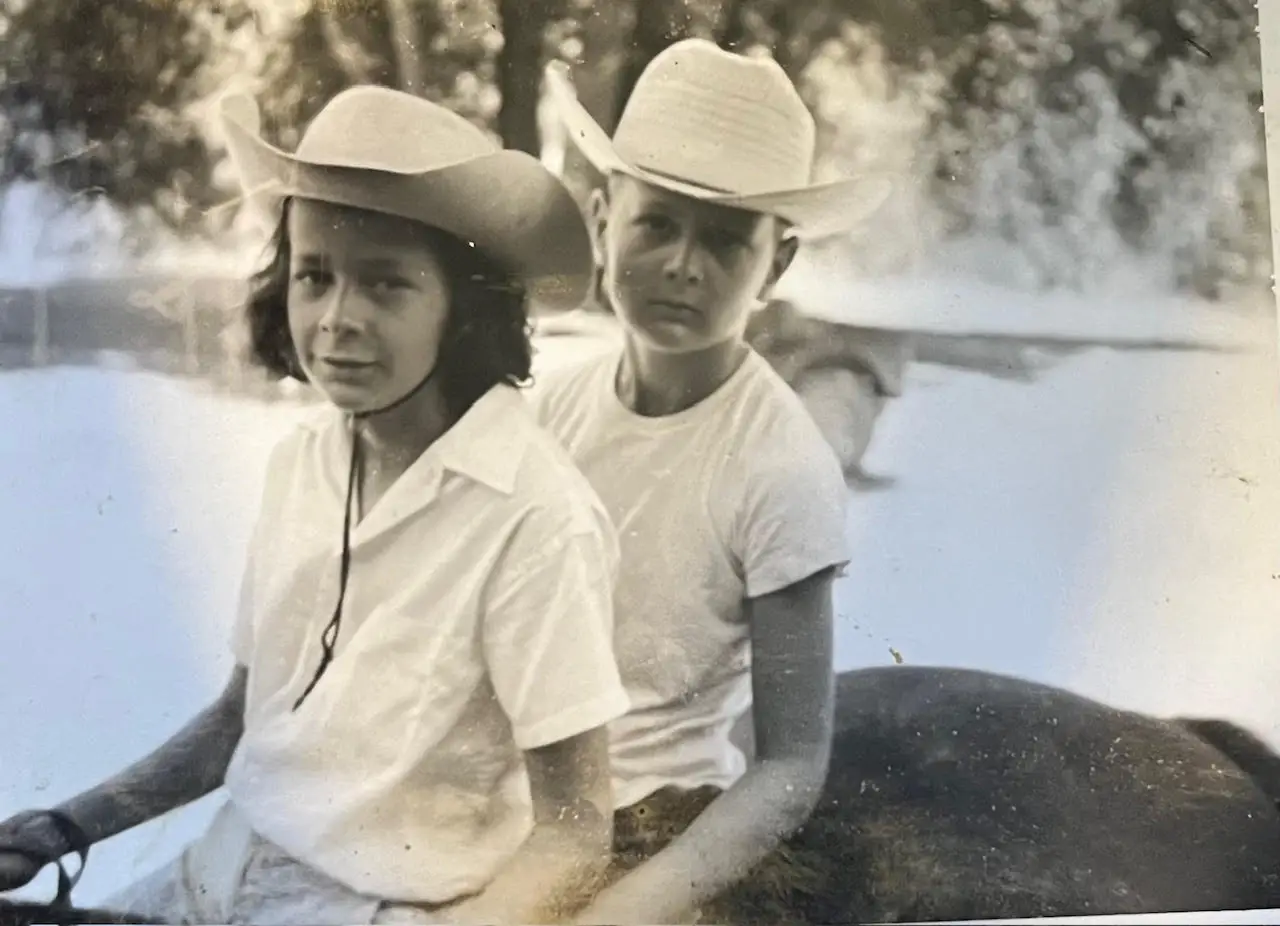
Over time Helen became the ranch’s most enthusiastic ecological observer, paying close attention to the birds, the creeks, and the quieter corners of the landscape that others might pass without noticing.
“This ranch really owes itself to the women who decided to come back,” Grace says. “They were never obligated to return. No one assigned them the responsibility of keeping it going. They chose it.”
Over the decades the ranch kept reshaping itself in the hands of those women. It began with sheep, as much of Mendocino County did in the early twentieth century, when wool was the backbone of the local grazing economy. Later the ranch shifted toward cattle when Grace’s grandmother took over the operation with her husband and decided sheep no longer suited either the landscape or their way of working. The ranch was never treated as something fixed and what mattered was keeping the land productive and the family on it.
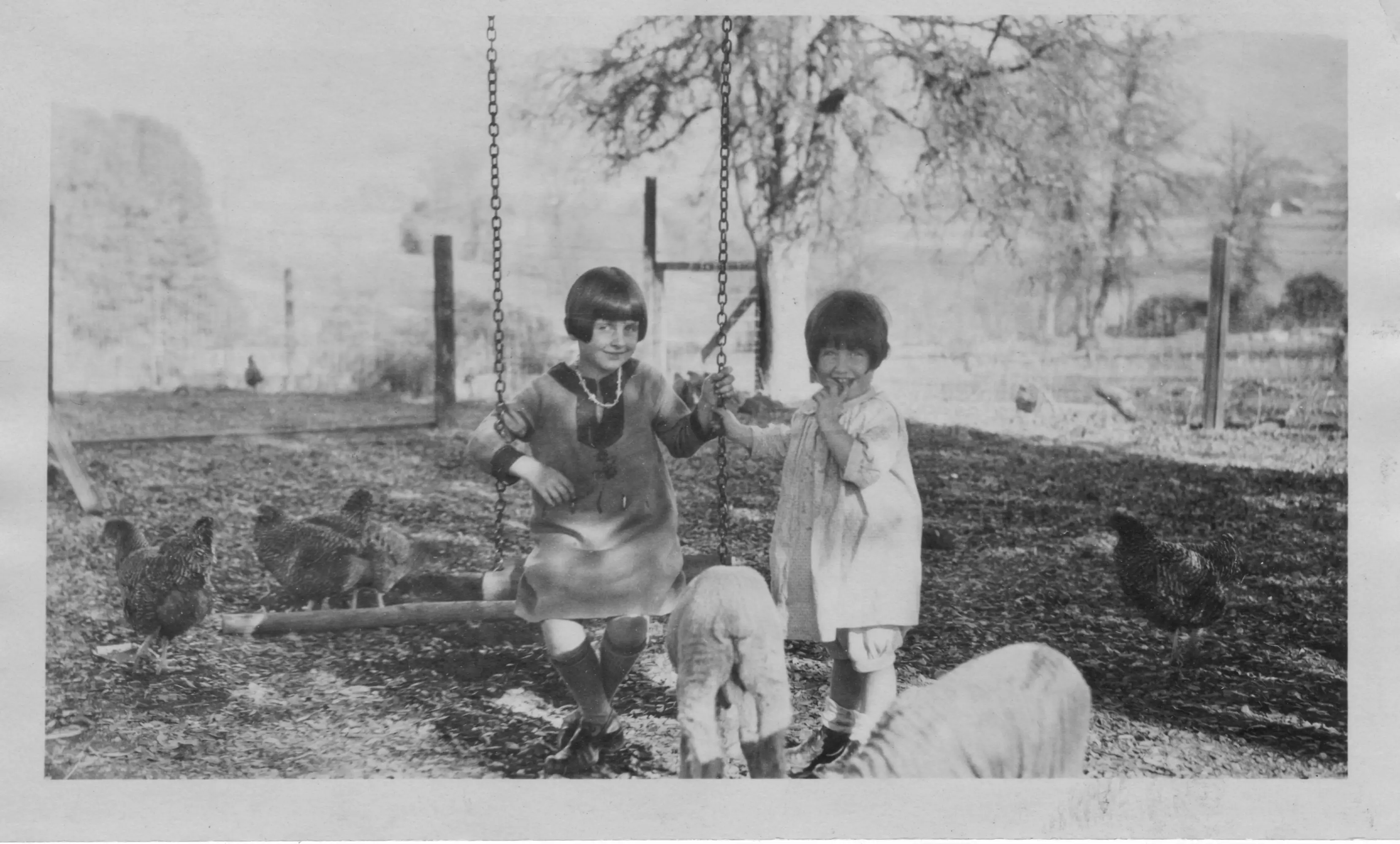
Grace’s father continued that pattern of reinvention. After earning a master’s degree in sculpture, he returned to the ranch and began experimenting with ideas that were only just beginning to circulate in American agriculture. He noticed that the ranch grew grass well and began holding cattle longer, finishing them on pasture rather than sending them into conventional grain systems. He also began talking about rotational grazing before it became a common language in the industry.
At the same time he kept one foot in the art world, teaching at the local college while managing the cattle operation. In this family, art and agriculture were never separate paths, they ran alongside each other.
By the time Grace was growing up, the ranch had become an early example of grass-finished beef sold directly to customers. That model worked well for many years, until the realities around it began to shift. Slaughterhouses closed, markets tightened, and weather became less predictable.
Each of those pressures required another adjustment and you learned to observe what the land is offering, notice what the moment requires, and reshape the business accordingly.
Every generation did it a little differently, the land never stayed static and neither did the women caring for it.
Grace, herself, left for eight years and built another life in Boston, studying American history and arts administration. She remembers knowing for a long time that she would return.
“I had known this was my path for a while,” she says.
When we talk about her earliest memories, you can hear the smile in Grace’s voice. Rain hammering on a tin roof, the smell of hay dropping into winter stalls, cattle coming in from the weather, calves being raised on the ranch until they were two years old.
%201_1x.webp)
“You got to see every step of their life,” she says. Watching the full arc of an animal changes how you think about stewardship. You begin to understand the rhythm of growth and recovery, and the cost of rushing either.
Grace also saw what decades of physical ranch work can do to a body. “I watched my dad get kind of gnarled by the ranch,” she says.
There were valves buried underground that required digging and wrenching hard enough to force water through the system, miles of fence to build and repair, posts to pound into uneven ground. Wire to stretch again and again across pasture.
“That work adds up over the years. It really does.”
When Grace and her husband Kyle stepped fully into managing the ranch, the conditions around them were shifting again. Slaughterhouses closed, margins tightened, rainfall patterns became less predictable. Elk began returning to the valley in larger numbers, which was very exciting for a family managing the land with wildlife in mind.
“This is such a dynamic climate,” Grace says. “We couldn’t just have a stocking rate that worked every year.”
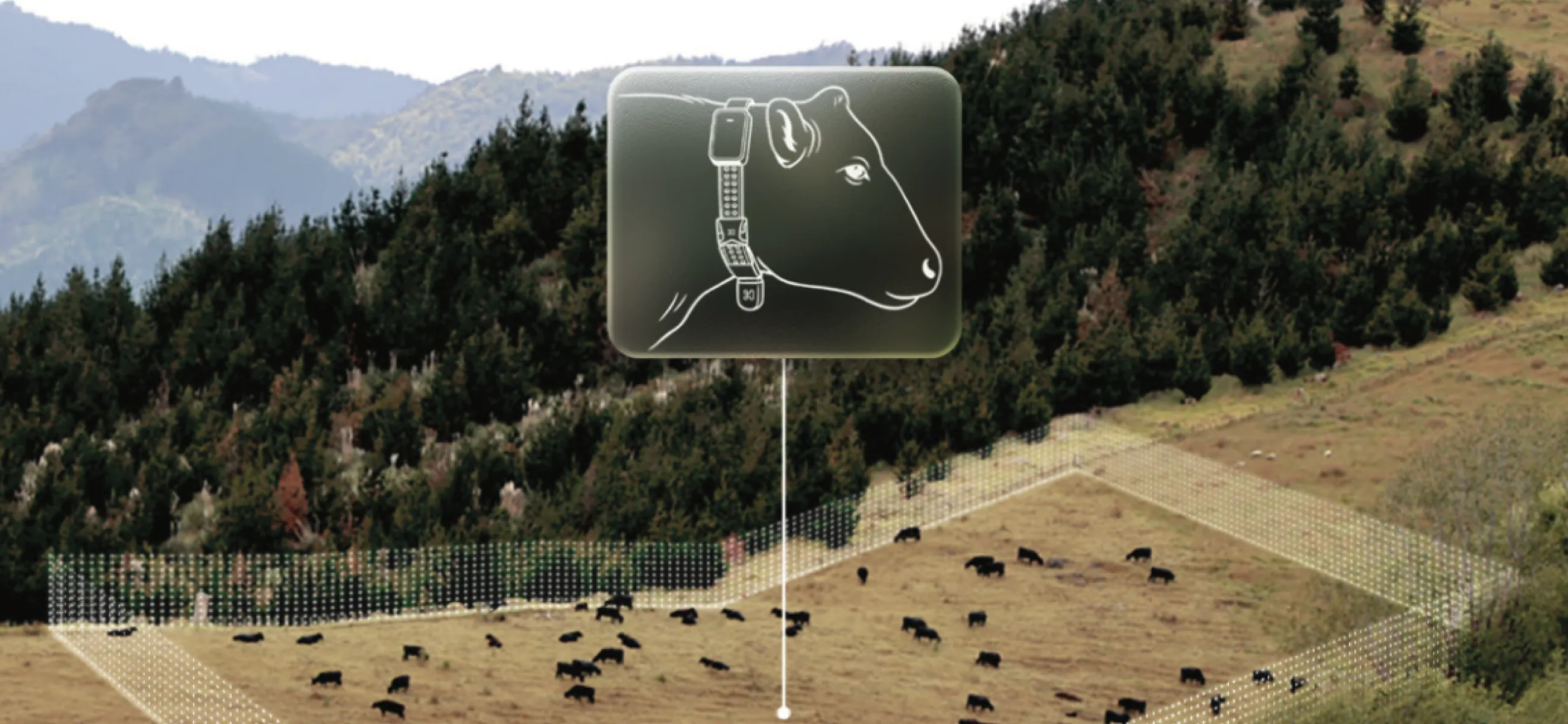
The land was asking for flexibility and cattle needed to move regularly so grass could recover and wildlife could move through the landscape. Traditional fencing systems demanded constant physical work.
When Grace and Kyle began exploring virtual fencing through Halter, they had their children front of mind.
“Being able to rotate the cattle regularly without physically building and moving fence is a game-changer,” Grace says. “There is no point at which you’re unfit to rotate animals now.”
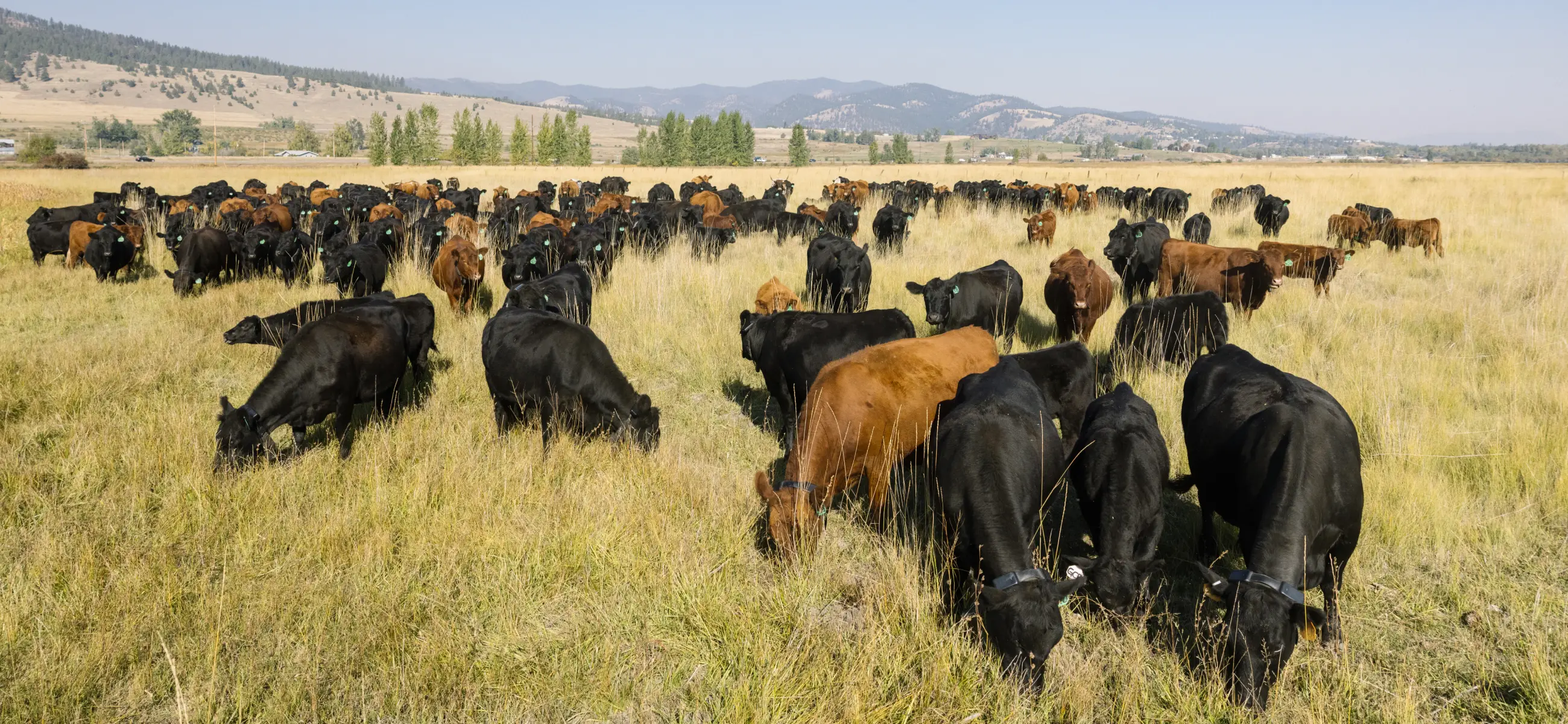
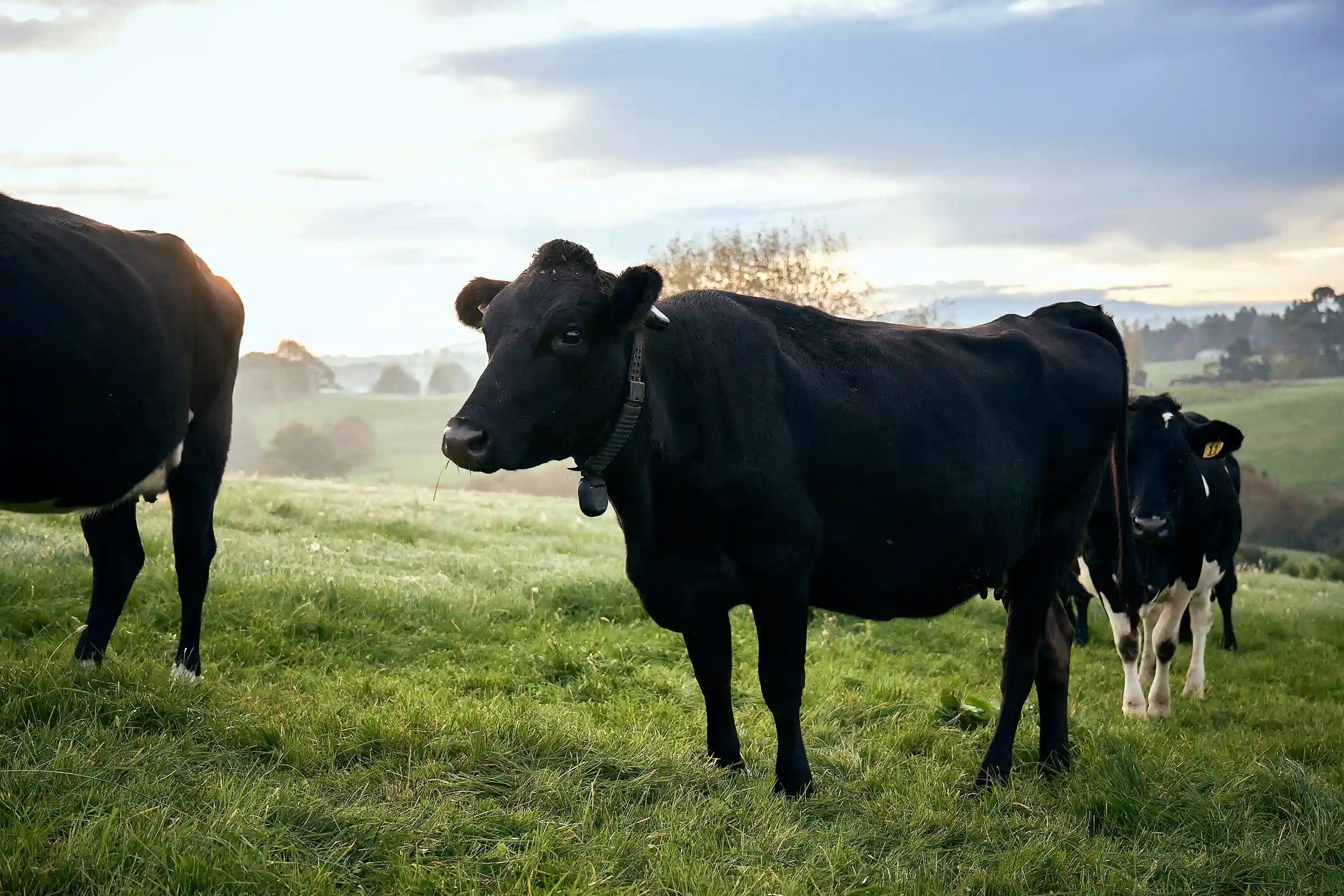
The ranch still requires judgment about grass height, water placement, and herd health. Those decisions now translate into digital boundaries drawn from a phone. Cattle move calmly across the landscape without posts and wire defining every edge, rotations can happen daily, grazing becomes more precise, and wildlife movement can be accommodated without tearing down physical infrastructure.
After a few weeks of using Halter, Grace told Kyle, “I don’t want a ranch any other way. I love the dynamic of moving cattle comfortably and slowly and intentionally, across the landscape.”
For Grace’s aunt Helen, that shift has opened up being able to guide cattle away from sensitive nesting areas and riparian corridors means parts of the ranch can recover while the rest continues to function as working land.
These days she shares her knowledge with Grace and Kyle’s children, June (11) and Walter (9), through nature walks and birdwatching, passing on stories about the birds, the seasons, and the life that exists alongside the cattle.
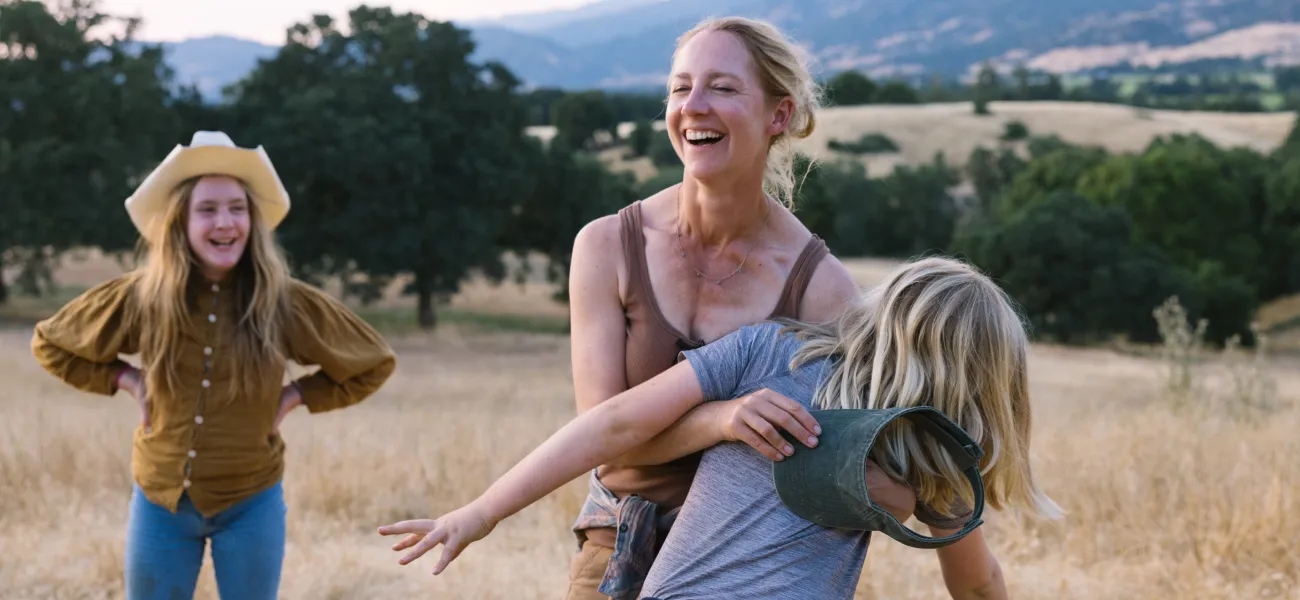
“We’ll be able to graze the way we want into later years in our lives,” Grace says. “We’re not worried about having to switch careers when it becomes too hard.”
For this family the question has always been how to stay in it, how to care for the land without grinding down the people doing the work and how to adapt as weather shifts and wildlife returns.
Five generations of women have shaped Ingel-Haven Ranch. Each inherited land already marked by the decisions of the last, and each adjusted the model to fit her moment.
Virtual fencing becomes part of that lineage now. Another tool chosen by someone determined to keep the ranch viable, responsive, and alive.
The cracked plaster above Grace’s desk remains, and the house continues to hold the story of women returning.
The land keeps asking for care, and the women keep answering.