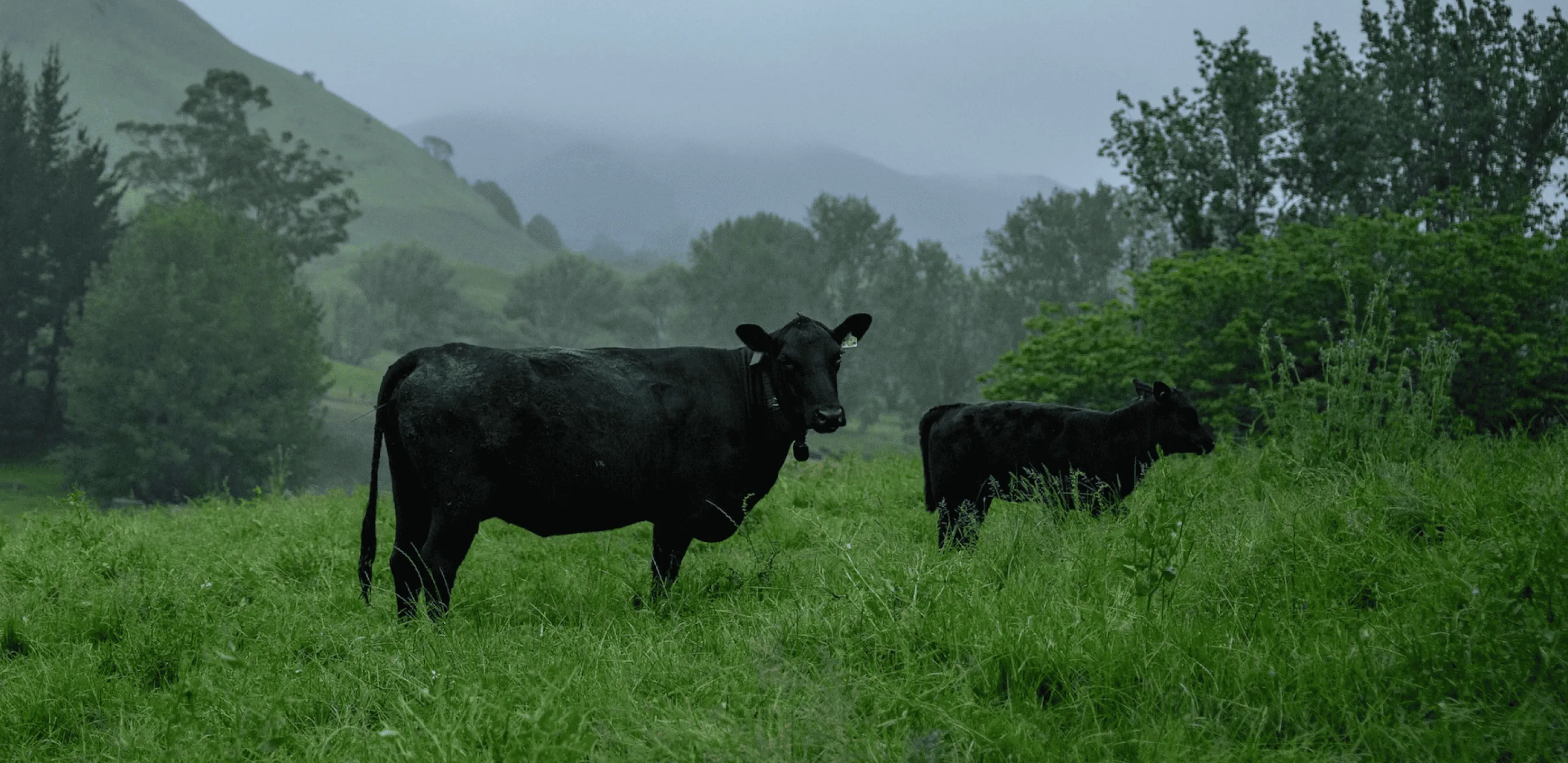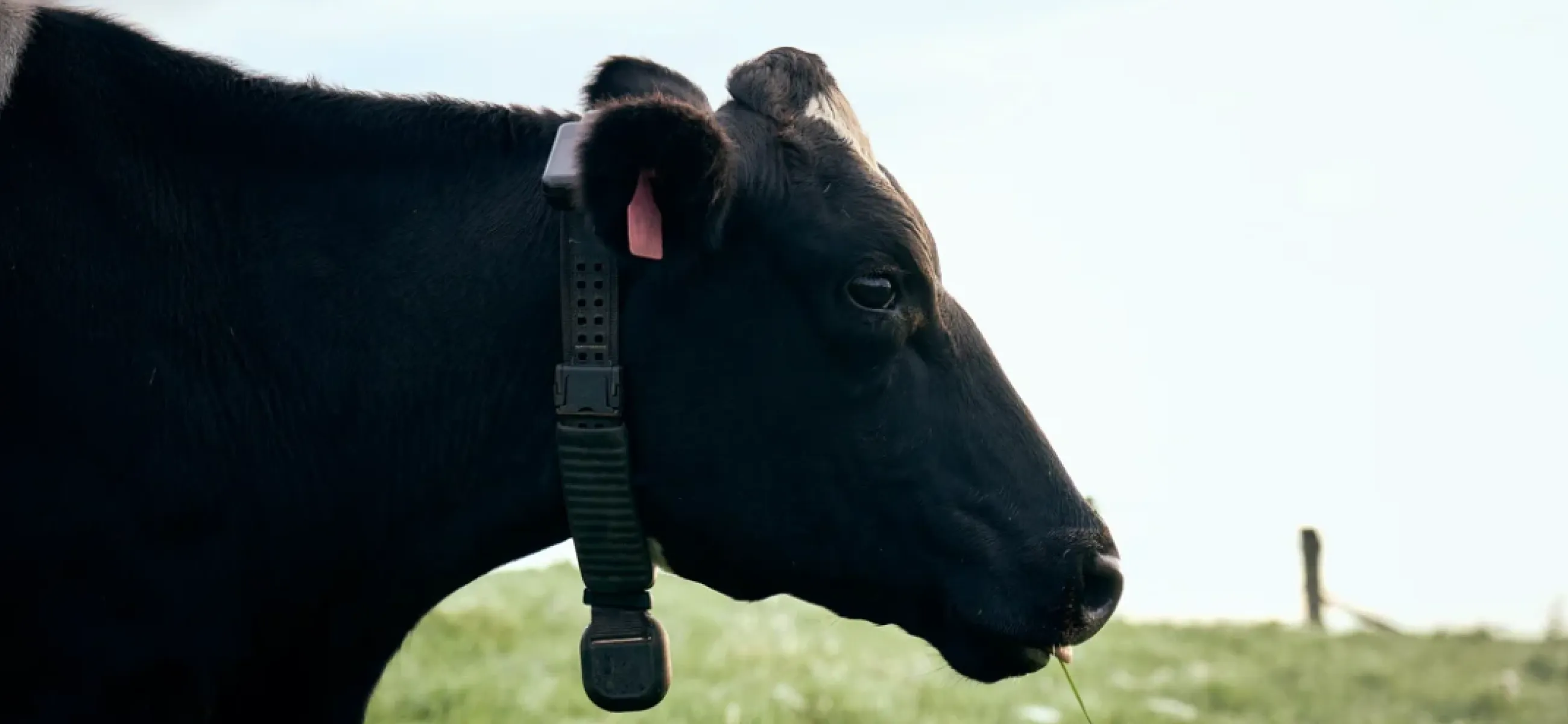


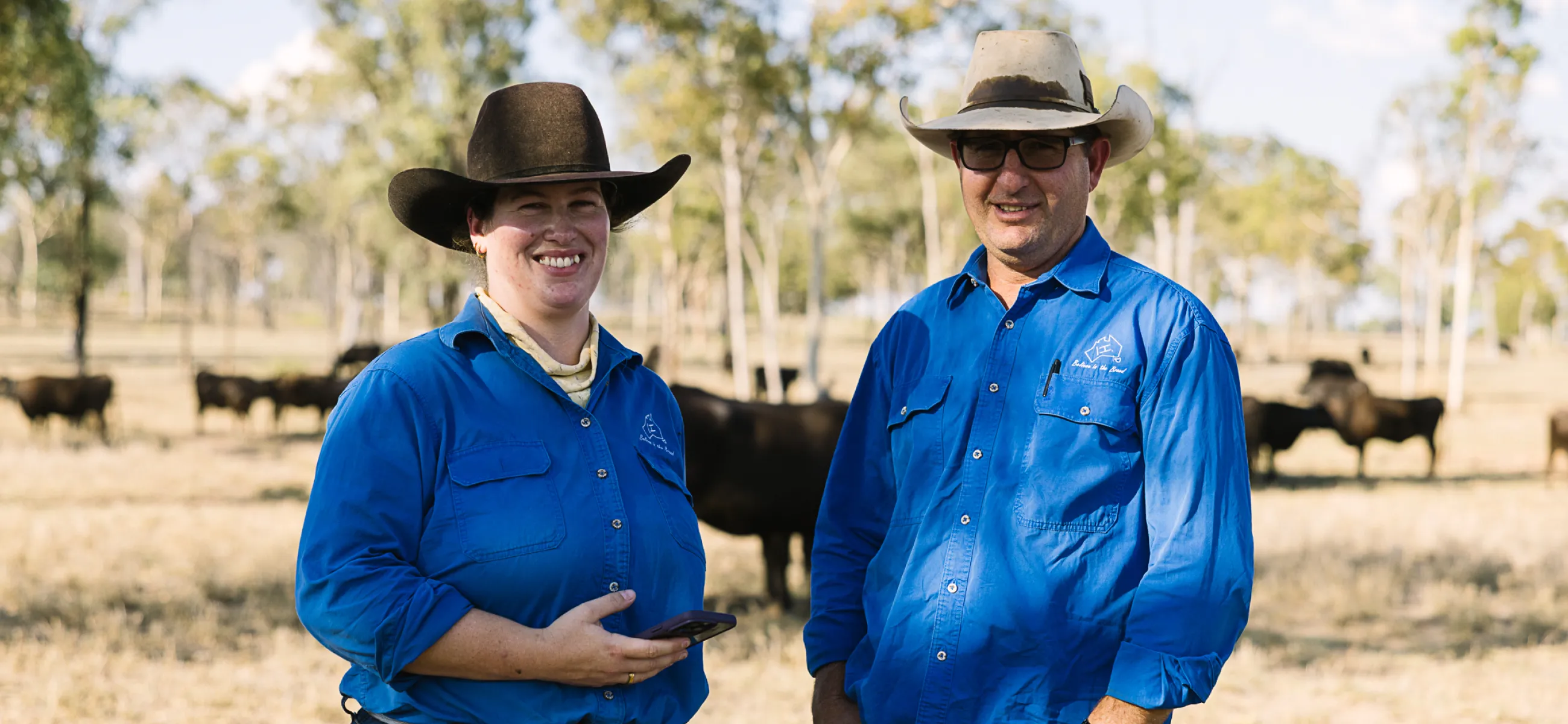
In this blog, we learn about how Bar H Grazing in Central Queensland is using Halter’s virtual fencing to unlock previously underutilised pasture across its 20,000-acre Wagyu operation. By strategically rotating nearly 800 collared breeders, the team can graze areas cattle once avoided, improving pasture utilisation and setting the property up to lift carrying capacity by up to 20%. With greater control, visibility, and flexibility, Halter is helping Bar H rethink what’s possible for large-scale beef grazing.
In the Central Highlands in Queensland at Bar H Grazing, 20,000 acres of steep, rocky ranges stretch across diverse terrain - and like many extensive beef operations, not every hectare has historically been able to pull its weight.
That’s changing.
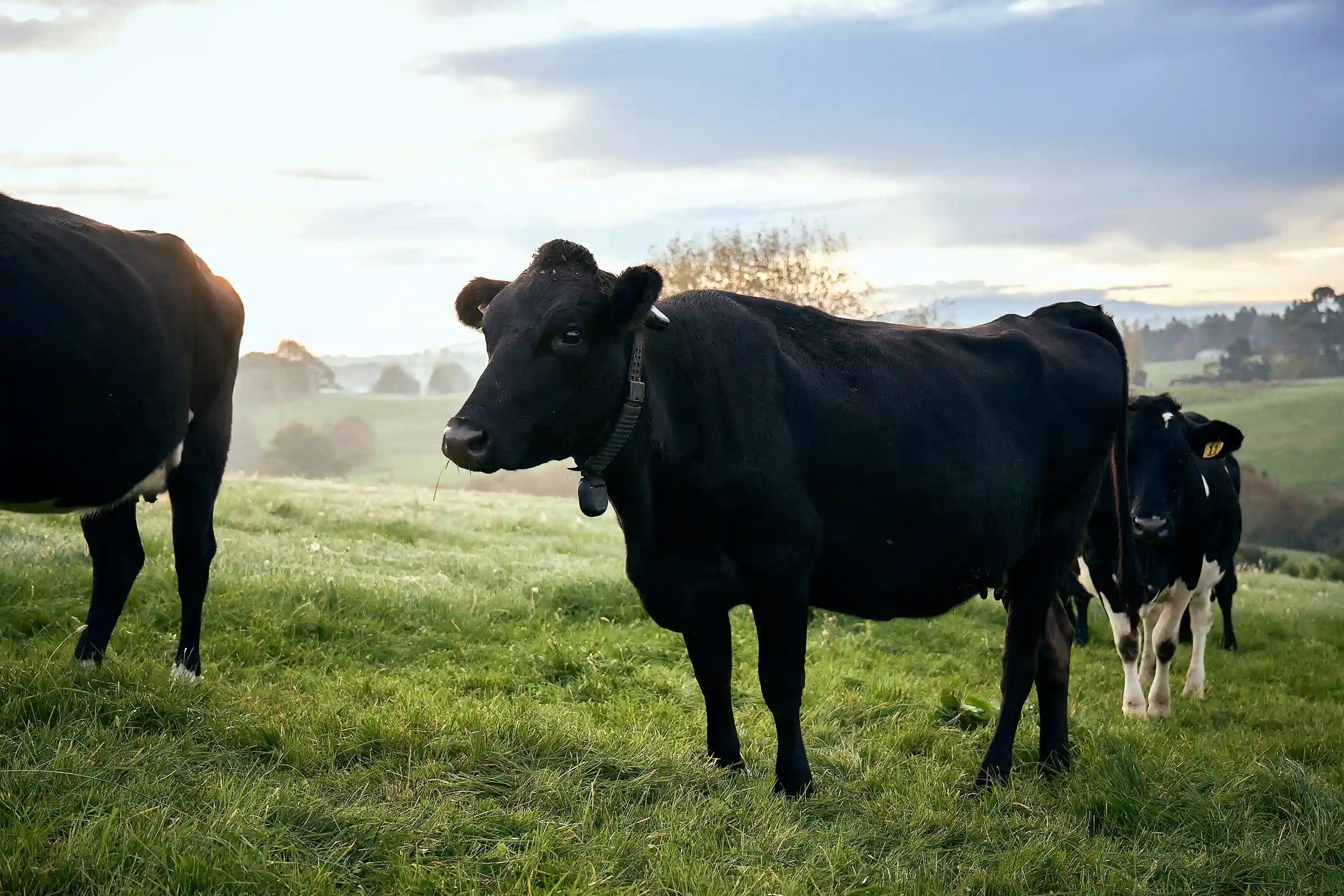
With nearly 800 breeders now collared with virtual fencing collars, owner Que and livestock lead Kacee are using Halter’s virtual fencing system to unlock pasture they’ve never been able to fully utilise - and they’re seeing the impact on carrying capacity, pasture performance, and beef consistency.
The Challenge: Underutilised Country
Bar H currently runs around 1,200 breeders. But like many large beef properties, paddock utilisation has always been a limiting factor.
“Probably the biggest challenge Bar H faced was purely paddock utilisation. With some of the country we’ve got, the cattle won’t naturally graze it.”
In one river paddock in particular, cattle would consistently camp near the water. Meanwhile, large volumes of quality feed at the opposite end of the paddock went untouched year after year.
“It just became one of those ‘it is what it is’ situations,” Kacee explains.
Without physical fencing or significant labour, there was no practical way to shift grazing pressure across the full paddock.
The Shift: Grazing Without Infrastructure
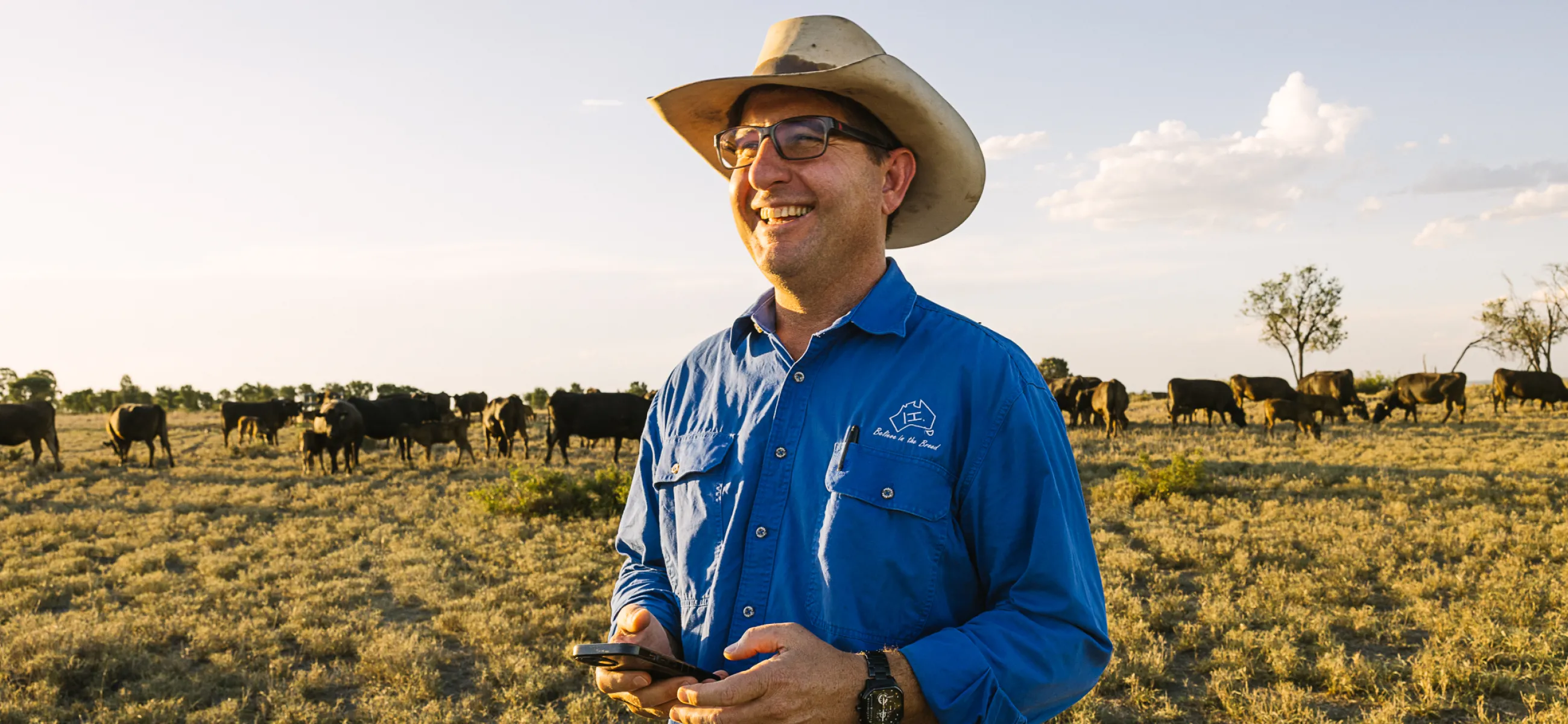
For Bar H, virtual fencing isn’t about convenience - it’s about control.
“Virtual fencing for us is putting up a fence without any infrastructure or labour.”
With Halter, the team can design and shift grazing zones from their phone, moving cattle across the landscape strategically, without building a single fence.
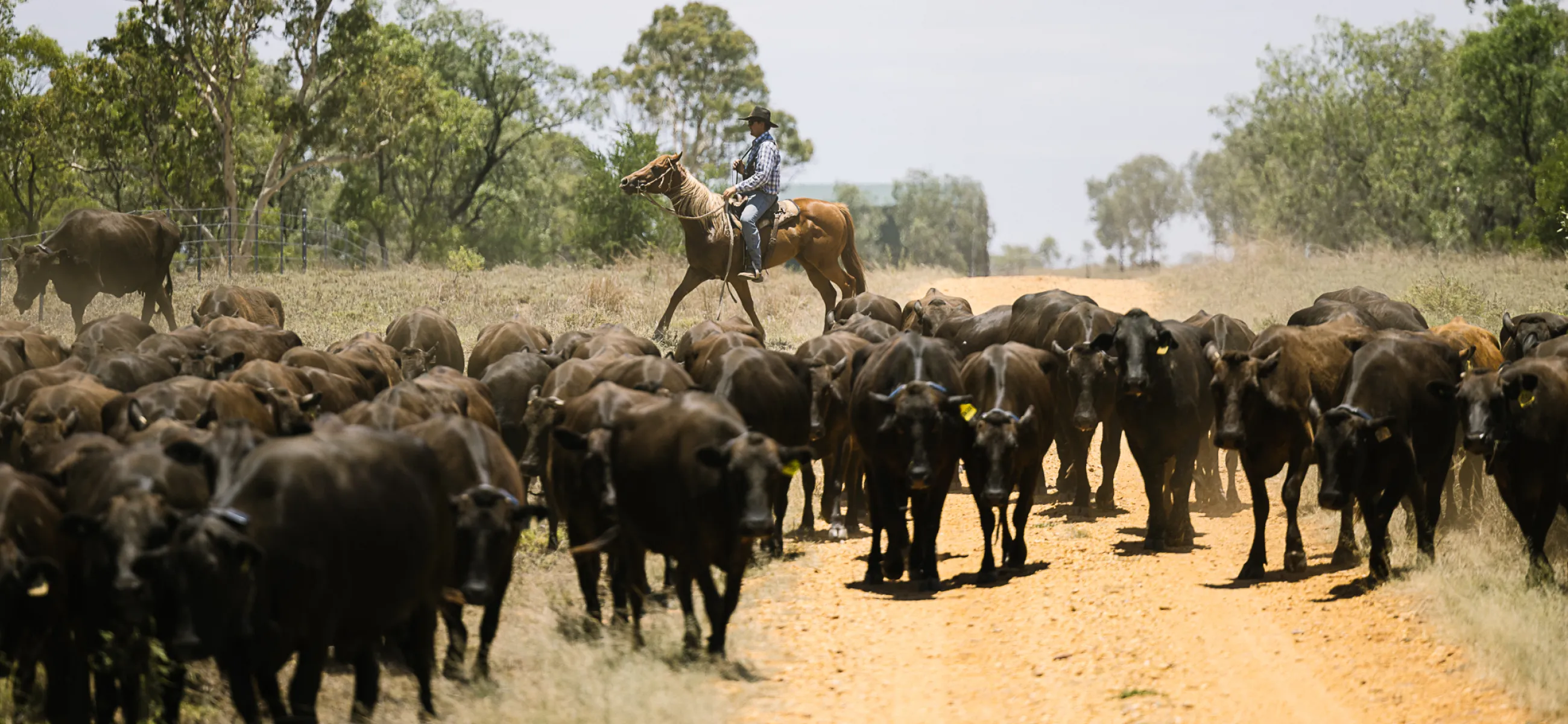
Pasture that once went unused is now being actively grazed, with intensive rotational grazing happening through large paddocks.
“Since we’ve had the collared girls in there, it’s been completely different. We’re carrying more cattle in that paddock than we ever have.”
By directing cattle to under-utilised areas and rotating them with precision, they’re improving pasture utilisation and increasing stocking pressure in a controlled way - setting the business up to lift carrying capacity by up to 20% long term.
Intensive Grazing, Improved Margins
For a Wagyu operation, consistency matters.
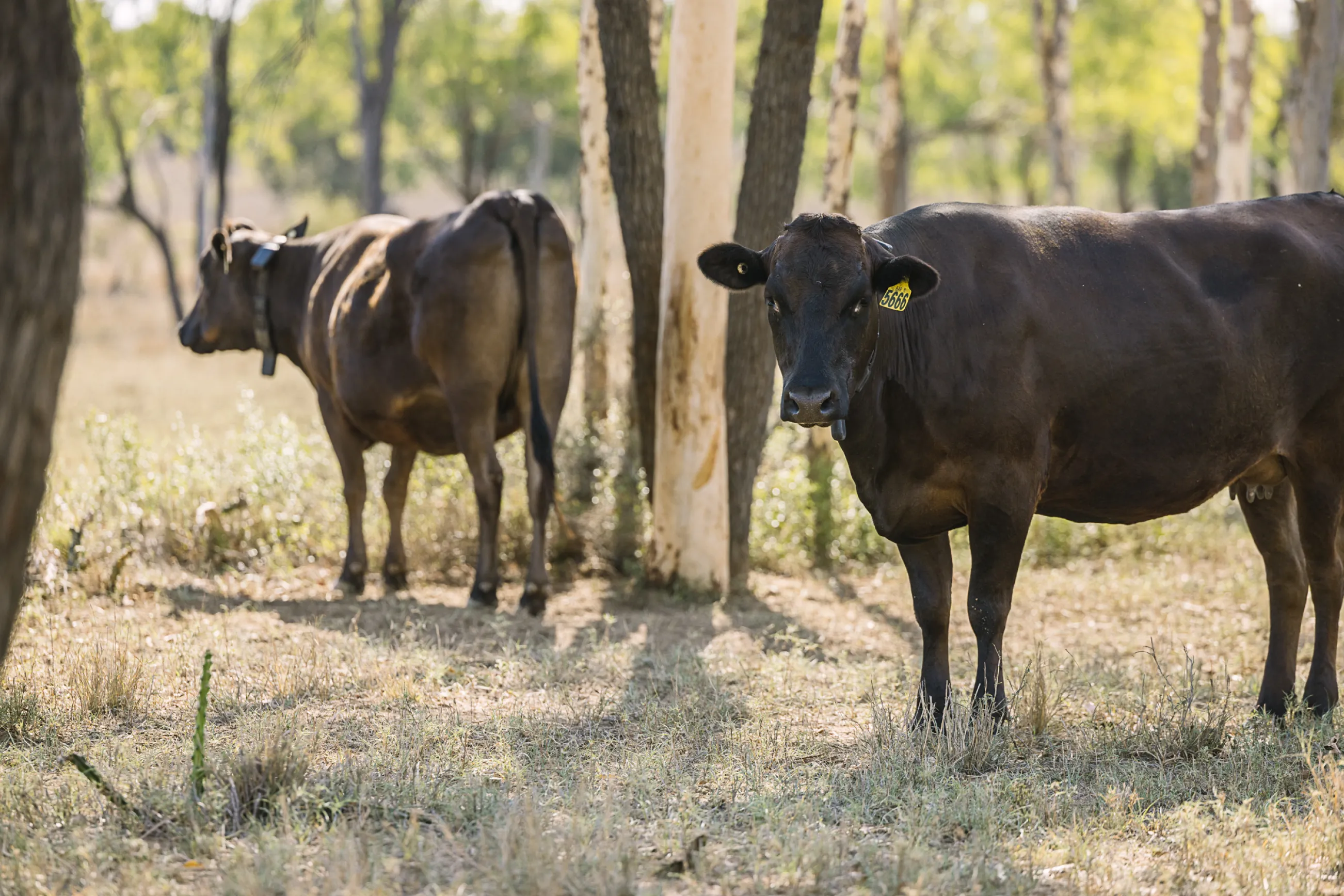
“Intensive grazing definitely improves profit margin. But we also produce beef, so controlling the environment as much as possible helps ensure consistent nutrition, which ultimately delivers a better meat product.”
Halter allows the team to:
- Rotate cattle more frequently
- Manage feed allocation more precisely
- Maintain consistent pasture quality
- Increase grazing pressure where needed
In some areas, they’re even using cattle strategically to clean up undesirable species.
“You have the ability to use your dry cattle as bulldozers, for lack of a better word. Where you’ve got undesirables you might usually treat with chemicals, with Halter you can graze them more intensely and make them eat it - which benefits the paddock long term.”
It’s pasture management at a level that wasn’t previously possible without significant infrastructure investment.
Full Visibility, 24/7
On a property this size, knowing where cattle are and what they’re doing traditionally requires time, fuel, and labour. Halter has changed that.
“We have the ability to watch every cow 24/7, which on a beef property like this is unheard of. The ability to manage our cattle from anywhere has a flow-on effect for the whole business.”
From their phone, the team can pause and manage specific cows if needed, view every mob across the property, or adjust grazing zones with a couple of taps in the app. That level of visibility elevates decision-making, and reduces the guesswork that often comes with large-scale grazing.
Doing this remotely also means a reduction in repairs and maintenance costs, extra time to focus on higher value tasks for the business, and the flexibility to react quickly to situations such as floods.
Thinking Differently About What’s Possible
Perhaps the biggest shift isn’t just operational - it’s mindset.
“Prior to Halter, there’d be parts of a paddock you’d just accept you had to sacrifice. With Halter, you’re constantly thinking - no, I’ve got options now.”
Instead of working around the limitations of terrain, water placement, and infrastructure, Bar H can now design grazing to suit the land’s potential.
And the long-term impact is clear: greater pasture utilisation, higher carrying capacity, and a reduced reliance on physical infrastructure.
A Gain for the Industry
As extensive beef operations across Australia look for ways to increase efficiency without increasing footprint, virtual fencing is opening a new chapter in pasture management.
“It’s not just a gain for the farmer - it’s a gain for the industry.”
At Bar H, that chapter could mean lifting capacity by 20%.
And they’re only just getting started.
Get in touch today to chat with a local rep about what Halter could look like on your beef operation - we're here when you're ready!