

.png)
After calving, a cow’s body is recovering from the physical toll of birth, her uterus is involuting, and she's shifting into early lactation - all while her energy demands are climbing fast.
How well she comes through that window doesn't just affect her welfare; it sets the tone for the rest of the season, from getting back in calf, to the amount of milk she'll produce.
The problem has always been that her recovery is largely invisible. A cow can look fine in the paddock while quietly falling behind.
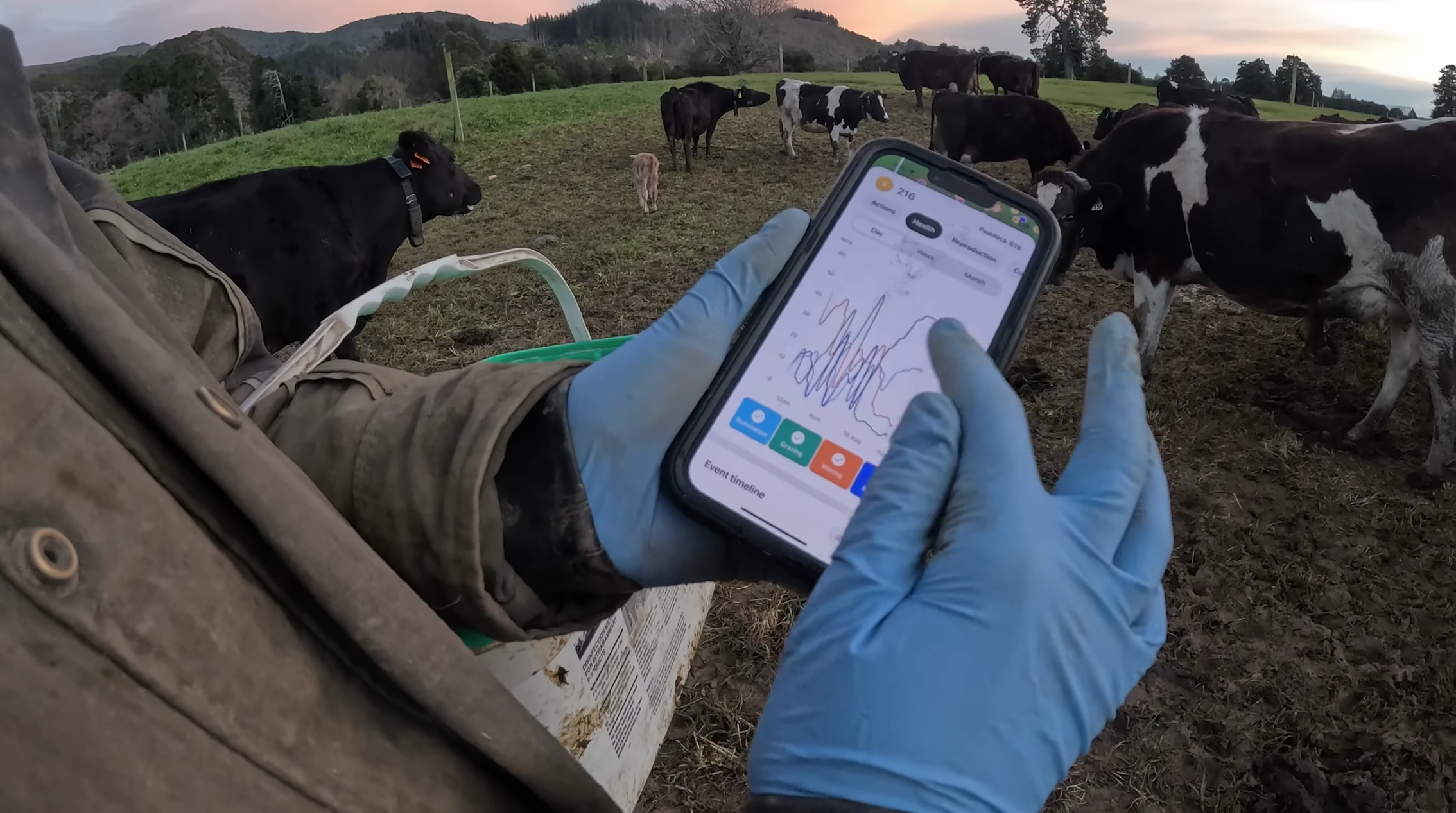
With Halter, farmers now have a data-backed view of their herd’s recovery in addition to observations in the paddock, enabling them to make better decisions for the health and fertility of their herd.
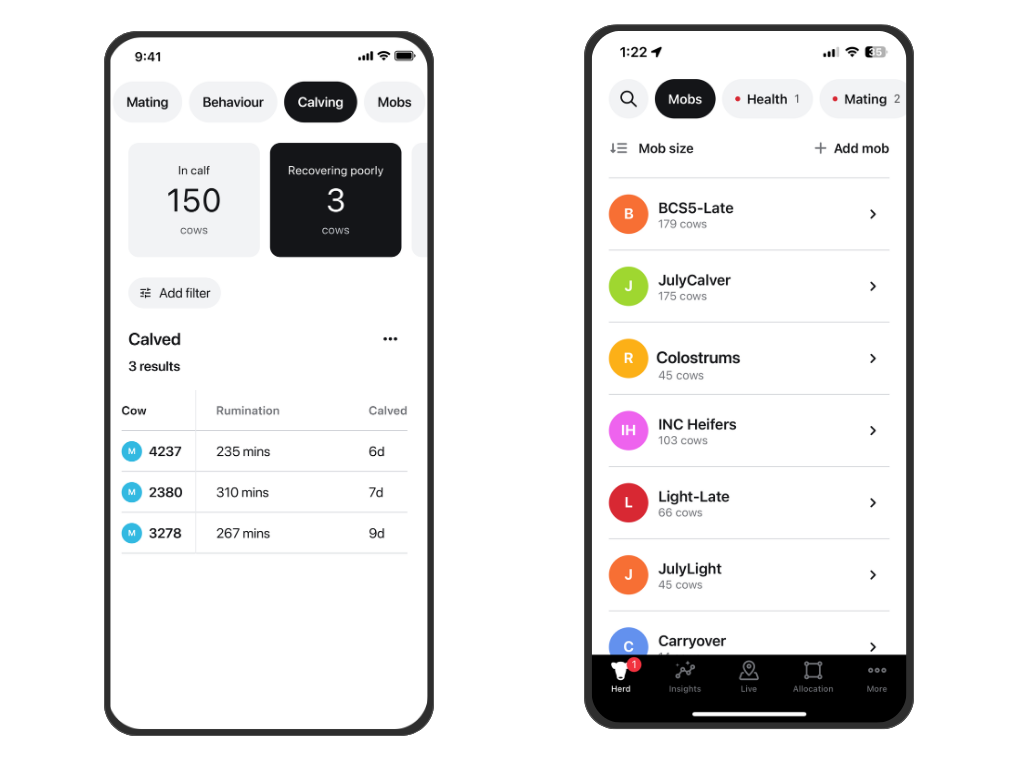
The "Recovering" vs "Recovering poorly" algorithm
One tool that farmers can use to monitor individual animal recovery is an algorithm that compares a cow’s eating behaviours (grazing and rumination) before and after calving. This uses each individual cow’s data, not just a herd or species average.
First, the algorithm establishes a baseline of what "normal" eating behaviour looks like for that cow before she calves. In the three weeks following calving, her grazing and rumination levels are compared against that pre-calving baseline. If those levels bounce back and trend upward as expected, she's tracking well. If they don’t improve at the expected rate, it’s a sign she may be dealing with issues like metabolic stress, uterine infection, or lameness, she is flagged as "Recovering poorly."
This alert usually appears in the app before physical symptoms become visible. Two cows can look identical in the paddock, but one might be quietly grazing and ruminating 20% less than she was pre-calving.
The recovery algorithm detects this, so farmers can intervene with a vet check, a body condition reassessment or extra feed while there's still time to get her recovery back on track , rather than discovering a problem weeks later during pre-mating.
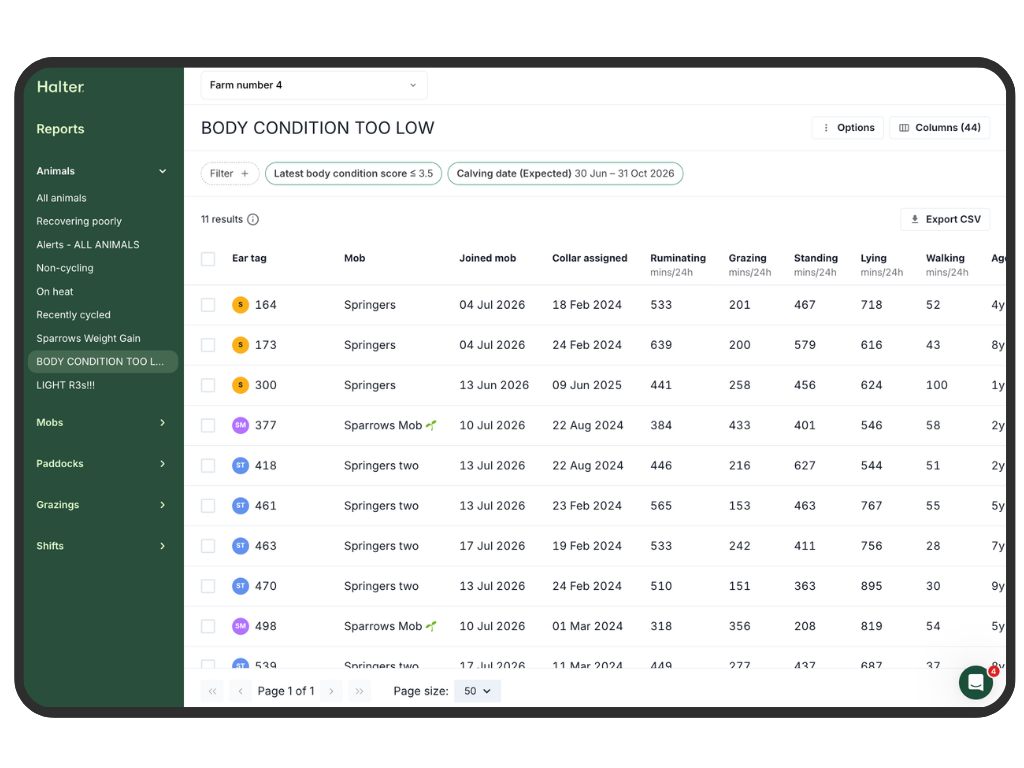
A fuller picture through desktop reports
Farmers also benefit from a birdseye view across their whole herd and season; which is what Halter's desktop reporting tools are built for. Rather than checking cows one at a time, farmers can pull up reports that show recovery trends across mobs, age groups, or calving dates and identify patterns and potential issues.
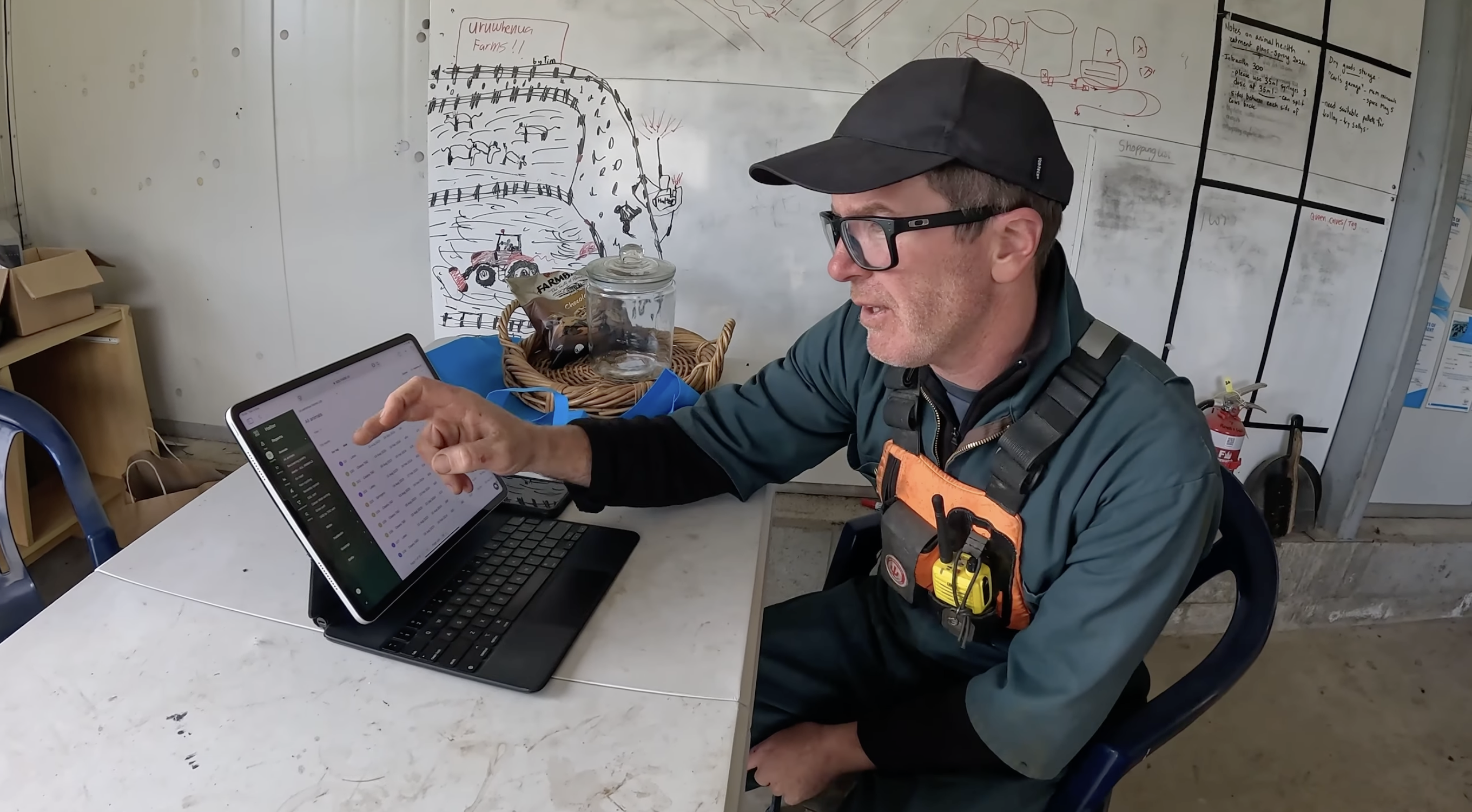
On Uruwhenua Farms, Corrigan Sowman makes use of reports to monitor the recovery of his 750 dairy cows in Golden Bay, NZ.
Using the different filters on the desktop Halter app, Corrigan sorts and manages his once-a-day milking cows and tracks them as they move to twice-a-day milking. He can filter them by rumination times, grazing times, their latest body condition score and how long it’s been since they’ve calved.
He particularly watches the body condition scores and gives any light cow a score of 4 or under.
“It makes it super easy for me to run a filter on it. Any cow that's greater than 4.5 is going to twice-a-day and any 4’s or under are staying on once a day until I see them cycling.”
He can pull a list of cows due to move to twice-a-day in advance and take a closer look at any he’s unsure of.
This bigger-picture view changes the kinds of decisions farmers can make. Rather than relying on a single "Recovering poorly" alert in isolation, a farmer can look at the reports and ask: Is this an individual cow issue? Should the transition feeding plan change next season?
The value of full behavioural context
As well as grazing and rumination, recovery can be monitored through year-round heat detection as animals return to cycling, always-on health alerts, and overall mob behavioural trends
With Halter, all of this data lives in one system, so farmers aren't juggling separate tools to join the dots. If a cow is flagged as recovering poorly and is also slow to cycle, that connection is visible straight away, rather than being pieced together after the fact.
Instead of walking paddocks trying to eyeball which cows "look a bit off," farmers get a ranked, data-backed list of who needs attention and why, which enables:
- Earlier intervention, while treatment or feed adjustments can still make a difference
- Less guesswork and fewer hours spent monitoring cows manually
- Better mating outcomes, since cows that recover well are more likely to cycle and get in calf early
- Herd-level insights backed by real data, not gut feel, through desktop reporting
Animal recovery management has always been core to a successful transition period, and Halter makes it even easier to keep an eye on the health of your herd. By turning subtle behavioural signals into clear, timely information, farmers can spend less time spotting which cows are struggling and more time acting on the ones that need it.
Want to learn more about how Halter can help your herd's recovery? Get in touch with your local rep today!