




Two Smart Ways Beef Farmers Are Using Virtual Fencing (That You Might Not Know About)
Virtual fencing opens up a lot more than just shifting cattle from your phone each day. On beef farms, we’re seeing Halter users get clever with how they use the system, solving problems that used to mean more manual fencing, labour, and stress on stock, or weren’t even possible conventionally.
Here are two ways beef farmers are using Halter right now that aren’t obvious, but are worth knowing about.
Preferential Feeding
This one’s a farmer favourite, even though most wouldn’t know to try it unless someone over the fence showed them first, but is something that delivers real gains without changing infrastructure.
What is preferential feeding?
Preferential feeding (what we call overlapping breaks) lets you give different feed allocations to different animals, while:
- Keeping them in the same mob
- Sharing the same water source if required
- Not putting up a single extra fence
When using Halter's virtual fencing system, one group of cattle can move ahead onto fresher feed if they're allocated to a different break, while the rest stay back in their own break - something that’s impossible with traditional fencing.
.png)
Why beef farmers are using it
This setup is especially helpful for beef finishing or anytime you want to put condition on certain animals faster while keeping them in the same mob.
Common use cases:
- Instead of pausing calved cows and letting them roam free (particularly in large paddocks), farmers are changing them into a ‘preferentially feeding’ mob
- Lighter or younger cattle getting access to higher-quality feed
- Animals that need a bit more help finishing before sale
- Managing condition without splitting mobs (and the fighting that can come with it - especially with bulls)
Because the mob stays together socially, you avoid the stress and behaviour issues that can happen when they're mixed in with other animals.
And - cattle don’t always move ahead straight away onto new feed. In many cases, it takes a few days for them to discover they can leave the herd and move forward.
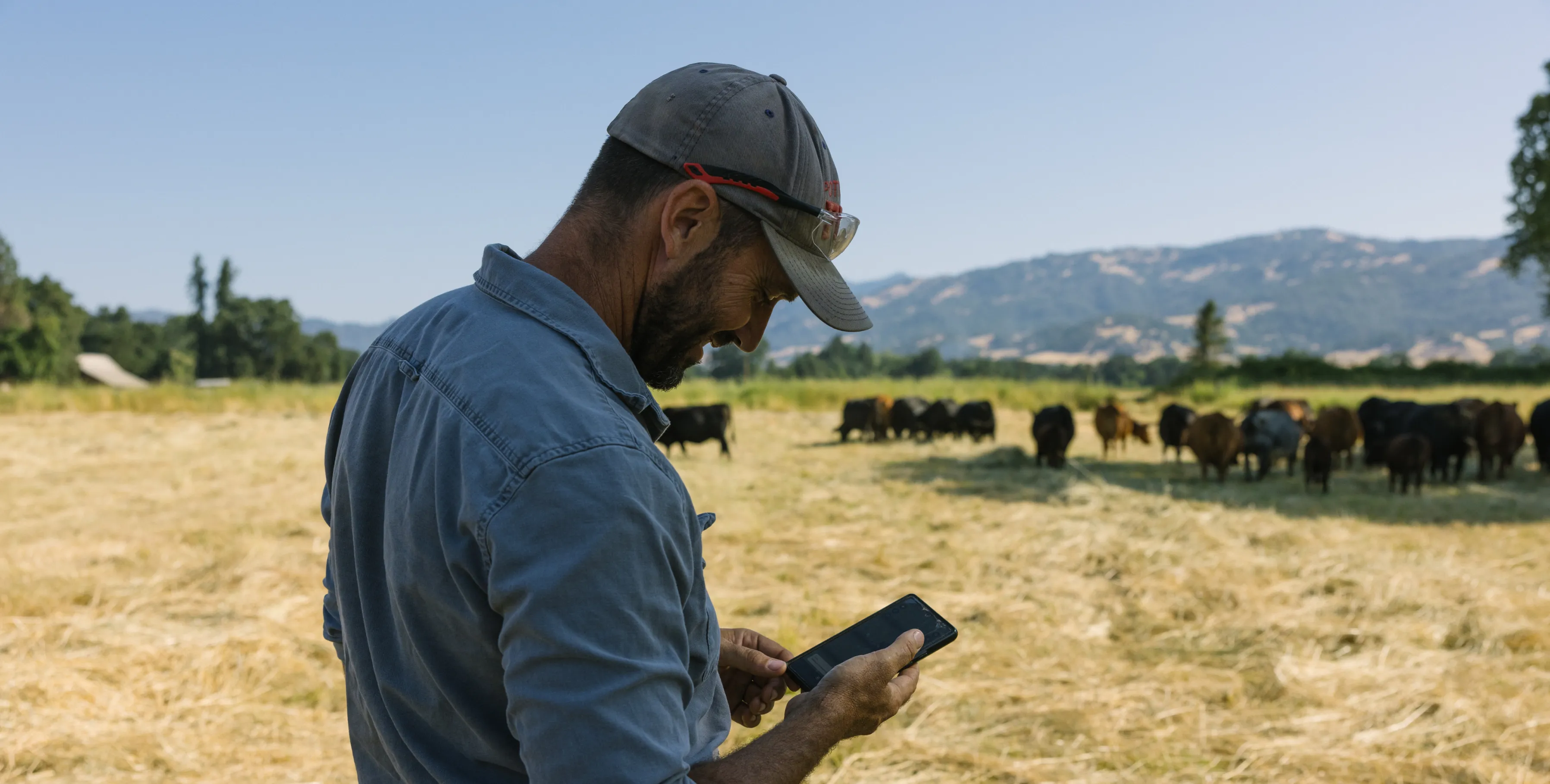
Laneway Breaks: Shifting Beef Cattle Without the Chase
Moving beef cattle from one place to another can chew up time fast, especially if it means opening gates, pushing mobs, or walking long distances.
That’s where virtual laneway breaks come in.
What are laneway breaks?
Laneway breaks let you draw a virtual corridor that animals can move through, whether that’s:
- Down an existing physical laneway
- Across paddocks
- Or straight toward the yards
Thanks to a recent update to our beef product, breaks no longer need to sit entirely within one paddock. That means you can now draw breaks across fence lines, opening up many more options for cattle containment and movement.
.png)
Why beef farmers care
Instead of chasing cattle, walking behind them, or simply hoping they head in the right direction, farmers can now set the break and let the animals move themselves via the collar’s passive cue. Vibration on the collar is used as more of an “FYI, fresh feed’s this way”. Cattle choose when to move, at their own pace, and aren’t actively guided forward with cues from the collar.
No more cattle wandering where they like and getting into paddocks that aren’t ready for them.
This also helps with:
- Better pasture utilisation
- Fewer missed areas or overgrazed spots
- Less pressure on the farmer (and the stock)
Farmers are already using virtual laneway breaks to move cattle down physical laneways and straight into fresh pastures - without lifting a finger (except to push the right button in the app). This frees them up to get on top of other higher value jobs on the farm.
Now what?
Neither preferential feeding nor laneway breaks are big shiny buttons in the app. They’re smart ways of using the system, and once farmers see them in action, they tend to stick and become part of the daily routine.
Less fencing.
Less labour.
Better use of feed.
Happier cattle.
If you need help getting either of these features up and running on your farm, the Halter team is always here and happy to help - you can reach out to your Territory Manager anytime!


.jpg)

