


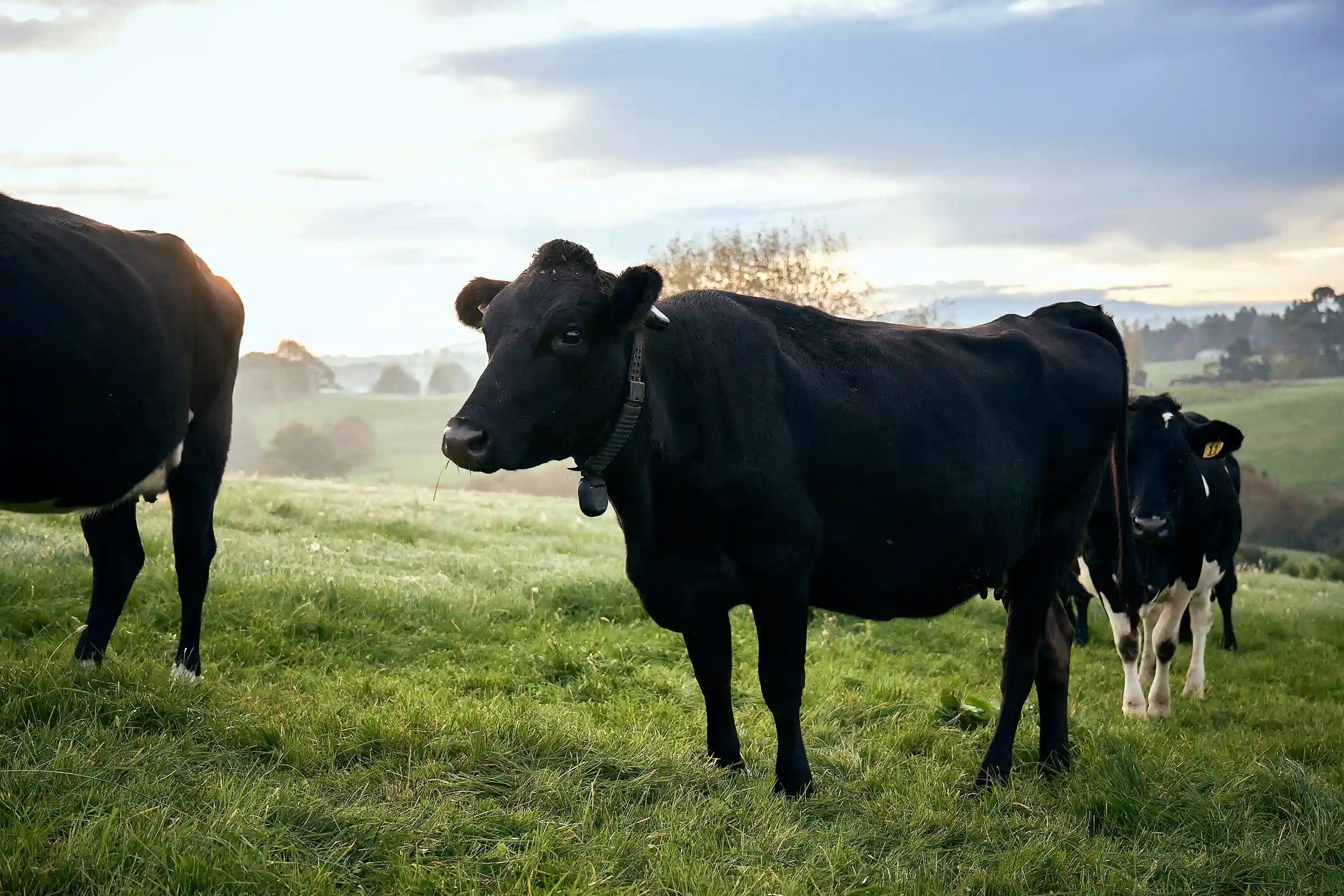


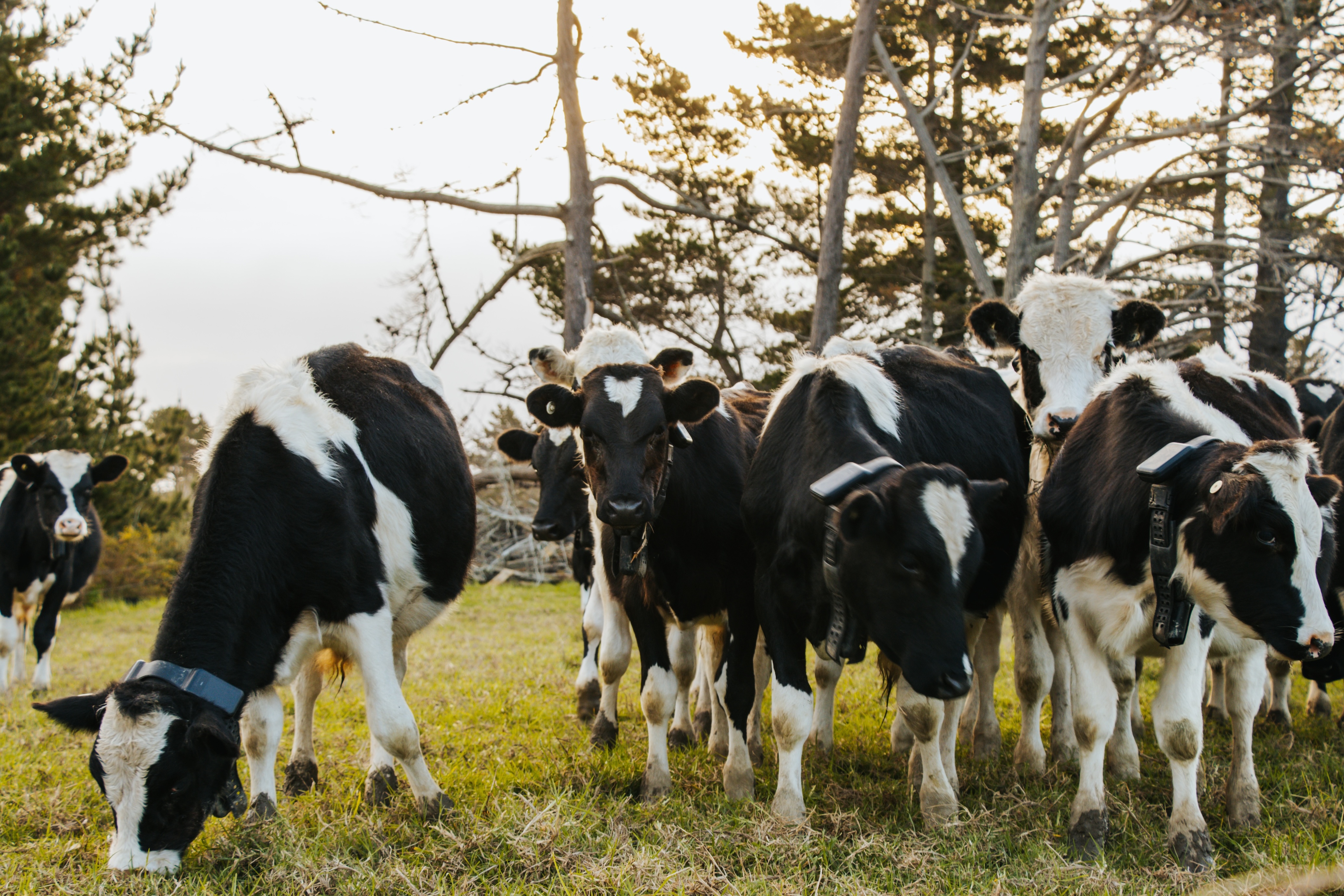
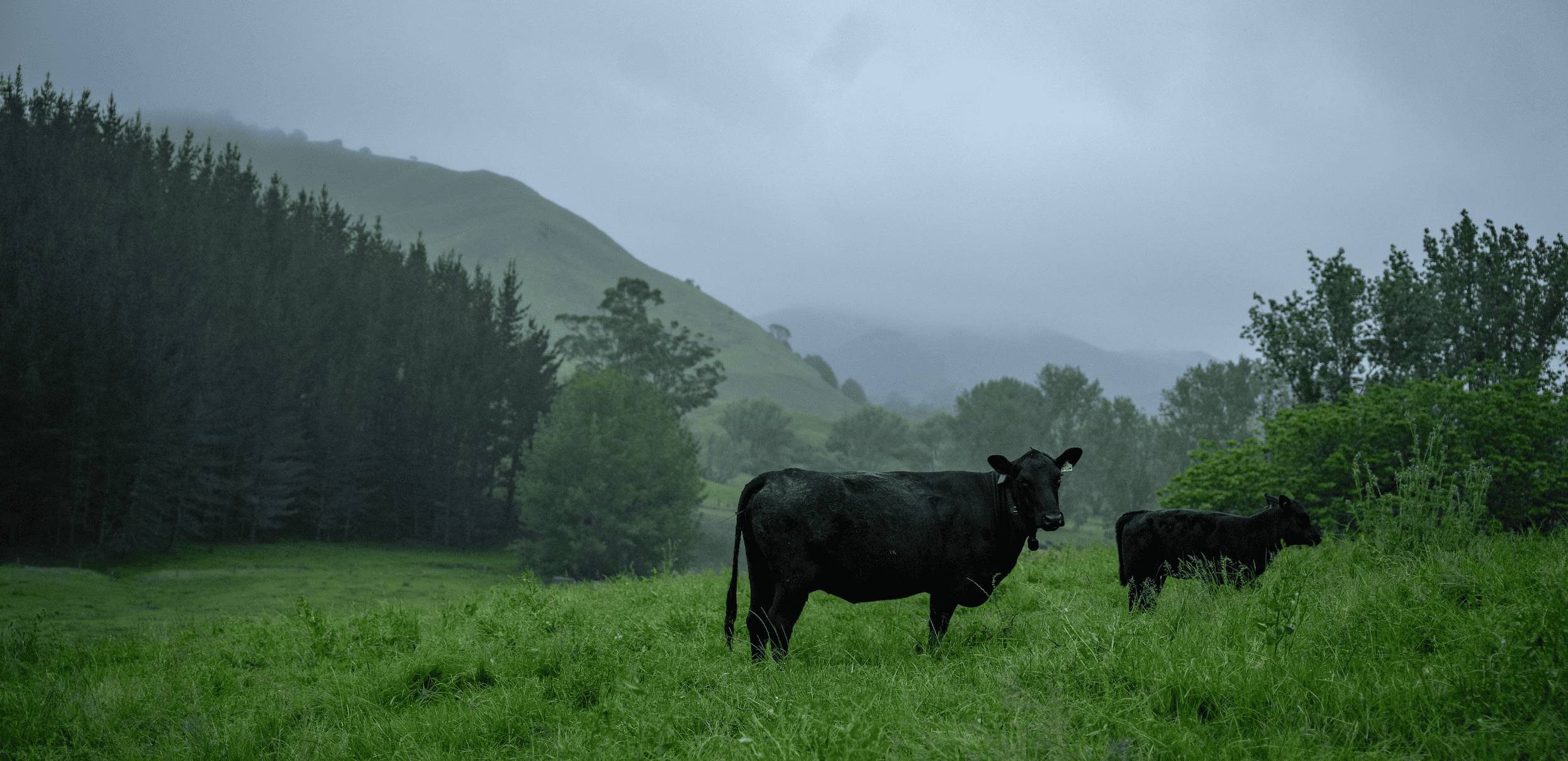
Greenhill Farming is a 415ha beef operation in Kaingaroa, Northland, run by Katie and Jordan Waters who have collared over 600 of their 900 Friesian bulls with Halter.
In May this year, Katie and Jordan were the first farm in New Zealand to use Beef Pro, Halter’s most advanced package for beef farmers, which they’ve used to track, record and plan for grazing based on detailed pasture information and insights.
Beef Pro isn’t a whole new direction for the Waters.They were already seeing production gains since collaring with Halter in March 2026 using virtual fencing, remote shifting and GPS tracking of cattle. Beef Pro builds on those gains with even better pasture management tools.
Through better stock management and feeding, they’re seeing an increase in carcass weights per hectare.
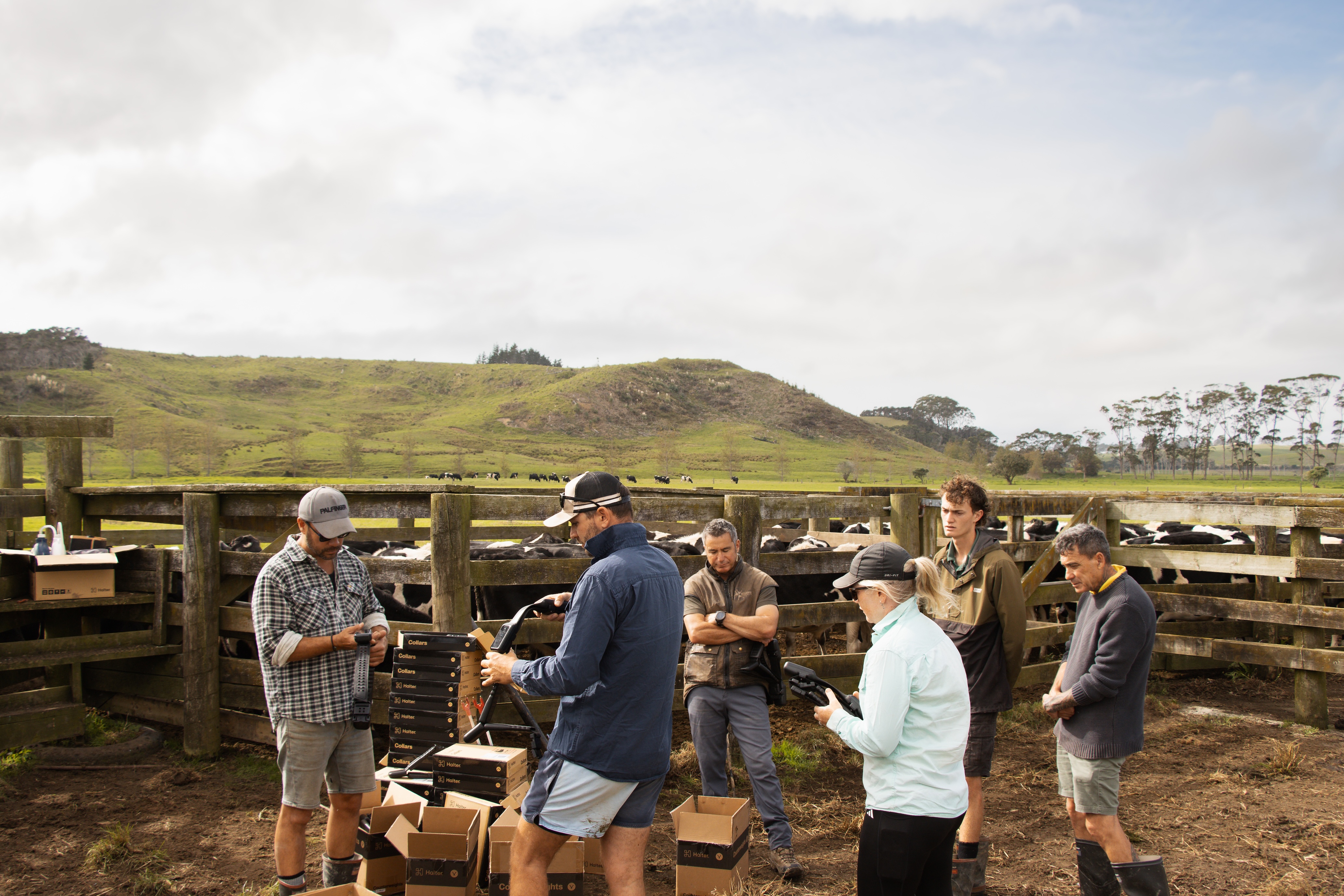
The numbers: from 280kg to aiming for the high 400s
“Beef Pro will take our production gains even further,” says Katie.
“We're on target to hit 360kg carcass weight per hectare this season, up from our three-year average of 280kg. In the coming seasons we're hoping to continue these improvements and reach production in the mid-to-high 400s."
That's a lift of close to 30% on the three-year average in a single season.
Greenhill haven’t seen this increase by running more stock or feeding harder without the land backing it up. The gain reflects genuine improvements in how pasture is being grown, allocated and utilised, not just their herd size.
Shifting daily, running smaller mobs
The first change on Greenhill was how often they move cattle. With a small number of staff on the farm, Katie and Jordan were previously limited with how often they had the time to do a shift.
"Cattle are now shifted daily, rather than every second or third day. We're running more mobs of smaller sizes, which is reducing social pressure in the herd and improving pasture utilisation," says Katie.
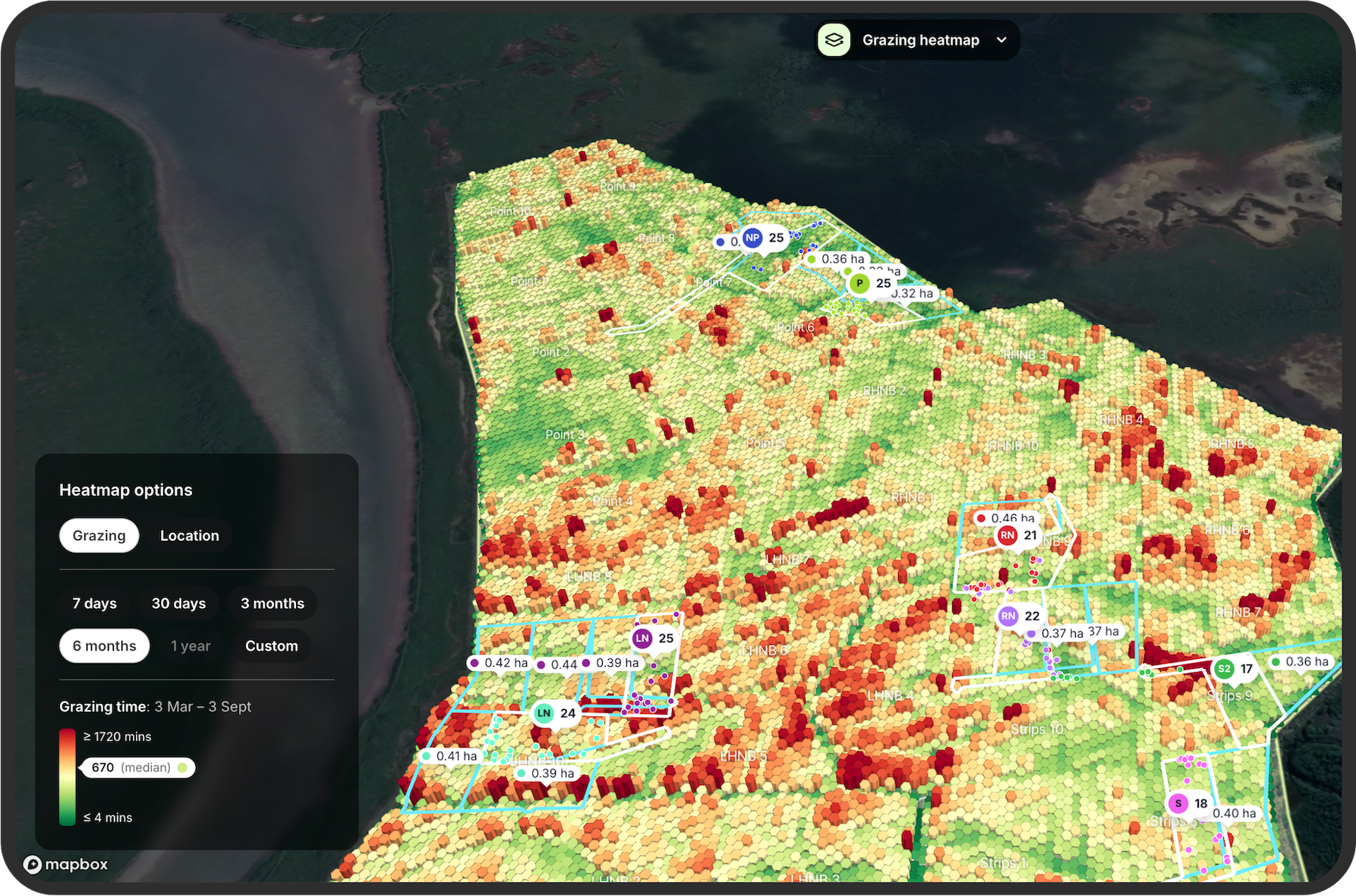
A simple change with a compounding effect. Daily shifts done remotely on Halter mean cattle are offered fresh feed more often, so there's less time for pasture to be trampled, fouled or grazed unevenly, which can be tracked by the grazing heat maps feature in Beef Pro.
The heat map shows how cattle have grazed a paddock or break over time, so farmers have a visual of grazing intensity, where they can spot uneven utilisation, identify areas being over- or under-grazed, and make decisions about future break planning and pasture management.
Smaller mobs are also creating less competition at the trough and along the fence line. The reduced social pressure in the herd translates to more time spent grazing and ruminating, rather than the girls jostling for position and feed. The herd’s grazing and rumination are all monitored by Halter in Beef Pro along with their resting and moving times, which can all be seen down to individual animal levels.
And the cherry on top? None of this requires more labour.
25 farmlets, each managed on its own terms
The other half of the story is how Greenhill has shifted the management of their land.
"For our bull operation, Halter's land management tool has enabled us to run our property as 25 individual farmlets,” says Katie.
“Each farmlet has its own pasture metrics and targets in the Halter app."
"This has given full flexibility to adjust each block's round length, rather than a blanket approach across the whole farm, which historically has led to compromises and wastage."
This is Beef Pro's Blocks feature at work. Rather than managing an entire property to a single average round length or pasture target, farmers can group paddocks into blocks, like Greenhill's 25 farmlets, and set pasture cover, growth rate, stocking rate and round length targets for each one individually.
.jpg)
Daily pasture data, updated automatically
Pasture cover for every block updates automatically each day with the Automatic Pasture Cover tool on Beef Pro, combining satellite imagery, weather data, farm conditions, grazing activity, and previous farmer-entered pasture cover data to update pasture cover and growth rate estimates automatically.
"Our favourite feature is the Auto Pasture Cover which gives the ability to feed our bulls based on dry matter allocation."
"We are shifting bulls based on feed available rather than square meterage."
"Also the pasture cover target tool, which tracks our daily net pasture changes against what is required to meet our future cover target."
For a farm the size of Greenhill, where different blocks will be growing grass at different rates depending on soil, contour and history, a single blanket round length was always going to mean some blocks were spelled too long and others not long enough.
Managing 25 farmlets individually, with their own numbers to work to, removes that guesswork and it's a big part of why the carcass weight gains have been able to keep climbing rather than plateau.
Putting it all together
Greenhill's results didn't come from a single change. They came from stacking a few things together: shifting more often, running smaller mobs, and setting targets block by block instead of farm-wide – all of which is managed and executed through Beef Pro.
With Beef Pro, Katie and Jordan have the tools to farm each part of Greenhill on its own terms. Matching feed, mobs and grazing decisions to what’s happening on the ground each day.
From automatic pasture covers and block-level targets to grazing heat maps, animal behaviour insights and remote shifting, Beef Pro helps turn pasture information into practical action. At Greenhill, that means more confidence in every shift, better use of the grass they grow, and a clearer path to lifting carcass weight per hectare without adding more work to the day.
If you're running a beef operation and want to see what block-level pasture management could do for your own carcass weight results, get in touch with your Halter Territory Manager.
Want to learn more about what Beef Pro provides? Check it out here.


.jpg)

